

Can RPET staple fiber be used in the textile industry?
May 29, 2026
Can RPET staple fiber be used in the textile industry?
As a supplier of RPET (Recycled Polyethylene Terephthalate) staple fiber, I've witnessed firsthand the growing interest in this sustainable material within the textile industry. RPET staple fiber is derived from recycled PET bottles and other polyester waste, offering a more eco - friendly alternative to virgin polyester. In this blog, we'll explore the viability and advantages of using RPET staple fiber in the textile industry.
The Basics of RPET Staple Fiber
RPET staple fiber is created through a process that involves collecting, cleaning, and processing recycled PET materials. The recycled PET is melted and then spun into fibers of various lengths and deniers. These fibers can be used in a wide range of textile applications, from apparel to home textiles.
One of the key benefits of RPET staple fiber is its environmental friendliness. By using recycled materials, we reduce the demand for virgin polyester, which is derived from non - renewable resources. Additionally, the production of RPET staple fiber generally consumes less energy and water compared to the production of virgin polyester, resulting in a lower carbon footprint.
Applications in the Textile Industry
Apparel
RPET staple fiber is increasingly being used in the production of apparel. It can be blended with other fibers such as cotton, wool, or spandex to create fabrics with unique properties. For example, when blended with cotton, RPET staple fiber can enhance the fabric's durability and wrinkle - resistance. In sportswear, RPET staple fiber is popular due to its moisture - wicking properties, which help keep the wearer dry during physical activities.
Many well - known fashion brands are now incorporating RPET staple fiber into their collections. This not only appeals to environmentally conscious consumers but also meets the industry's growing demand for sustainable materials. For instance, some outdoor clothing brands use RPET staple fiber to make jackets and pants that are both functional and eco - friendly.
Home Textiles
In the home textile sector, RPET staple fiber is used to make products such as bedding, curtains, and upholstery. These fibers can be used to create soft, comfortable, and durable fabrics. For example, RPET staple fiber can be used to make pillows and comforters, providing a cozy and sustainable alternative to traditional fillings.
The use of RPET staple fiber in home textiles also offers an opportunity for consumers to make more sustainable choices in their daily lives. By choosing products made from recycled materials, they can contribute to reducing waste and conserving resources.
Non - Woven Fabrics
RPET staple fiber is also widely used in the production of non - woven fabrics. Non - woven fabrics are used in a variety of applications, including hygiene products, filtration materials, and geotextiles. RPET staple fiber can be processed into non - woven fabrics through methods such as carding, needle punching, or thermal bonding.

In the hygiene product industry, RPET staple fiber is used to make baby diapers, feminine hygiene products, and adult incontinence products. The fibers' softness and absorbency make them suitable for these applications. In the filtration industry, RPET staple fiber can be used to make air and water filters, providing an effective and sustainable solution for removing contaminants.
Technical Properties of RPET Staple Fiber
Strength and Durability
RPET staple fiber has good strength and durability, which makes it suitable for a wide range of textile applications. The fibers can withstand repeated washing and wear, ensuring that the final products have a long lifespan. This is particularly important in applications such as apparel and home textiles, where the products need to maintain their quality over time.
Moisture Management
As mentioned earlier, RPET staple fiber has excellent moisture - wicking properties. It can quickly absorb and transfer moisture away from the body, keeping the wearer dry and comfortable. This property is especially beneficial in sportswear and activewear, where moisture management is crucial for performance.
Color and Aesthetics
RPET staple fiber can be dyed in a wide range of colors, allowing for the creation of vibrant and attractive textile products. Whether it's a bright - colored sportswear item or a subtle - toned home textile, RPET staple fiber can meet the aesthetic requirements of different applications.
Our Product Range
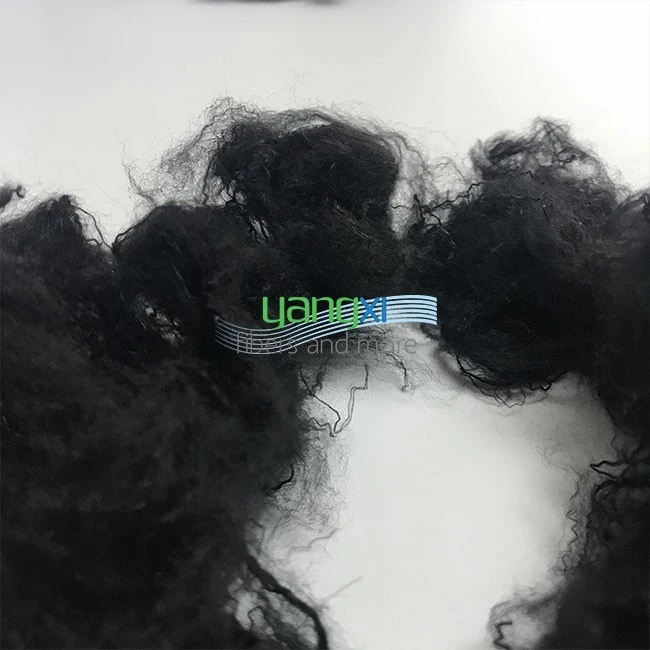
As a supplier, we offer a variety of RPET staple fiber products to meet the diverse needs of the textile industry. Our product range includes Black Recycled Polyester Staple Fiber, which is ideal for applications where a dark color is required. The black color is achieved through a special dyeing process that ensures colorfastness and durability.
We also provide Polyester Staple Fiber 1.2d*38mm. This fiber has a specific denier and length, which makes it suitable for spinning into yarns for various textile applications. The 1.2d denier provides a fine and soft fiber, while the 38mm length ensures good spinnability.
Another product in our range is Micro - denier Polyester Staple Fiber. Micro - denier fibers are extremely fine, which gives the fabric a soft and luxurious feel. These fibers are often used in high - end apparel and home textile applications.
Challenges and Solutions
While RPET staple fiber offers many advantages, there are also some challenges associated with its use in the textile industry. One of the main challenges is the perception of quality. Some consumers may be skeptical about the quality of products made from recycled materials. To address this, we ensure that our RPET staple fiber products meet the same high - quality standards as virgin polyester products. We conduct rigorous quality control tests to ensure that the fibers have consistent properties and performance.
Another challenge is the cost. In some cases, the production cost of RPET staple fiber may be slightly higher than that of virgin polyester. However, as the demand for sustainable materials increases, the cost is expected to become more competitive. Additionally, the long - term benefits of using RPET staple fiber, such as environmental sustainability and consumer appeal, can outweigh the initial cost difference.
Conclusion
In conclusion, RPET staple fiber can definitely be used in the textile industry. Its environmental friendliness, technical properties, and wide range of applications make it a viable and attractive option for textile manufacturers. As a supplier, we are committed to providing high - quality RPET staple fiber products to meet the needs of our customers.
If you are interested in learning more about our RPET staple fiber products or would like to discuss potential procurement opportunities, we encourage you to reach out to us. We look forward to working with you to promote sustainable textile solutions.
References
- Smith, J. (2020). The Future of Sustainable Textiles. Textile Journal, 45(2), 123 - 135.
- Johnson, A. (2019). Recycled Polyester in the Textile Industry: A Review. Environmental Science and Technology, 53(10), 5678 - 5685.
- Brown, C. (2021). Advances in RPET Staple Fiber Production. Journal of Fiber Science and Technology, 67(3), 234 - 245.