

How does CiCLO Nylon compare to cotton?
Jun 06, 2026
As a supplier of CiCLO Nylon, I've witnessed firsthand the growing interest in sustainable textile solutions. In this blog, I'll delve into a detailed comparison between CiCLO Nylon and cotton, exploring their characteristics, environmental impacts, and performance in various applications.
Physical and Chemical Properties
CiCLO Nylon is a revolutionary material that combines the strength and durability of traditional nylon with a unique biodegradable feature. It is engineered at a molecular level to break down in natural environments, which is a significant advancement in the textile industry. The fibers have a smooth surface, which gives them a lustrous appearance and a soft, silky feel. This makes CiCLO Nylon suitable for a wide range of products, from high - end fashion items to sportswear.
On the other hand, cotton is a natural fiber obtained from the cotton plant. It is well - known for its breathability, absorbency, and comfort. Cotton fibers are porous, allowing air to circulate through the fabric, which helps keep the wearer cool and dry. However, compared to CiCLO Nylon, cotton is generally less strong and more prone to wrinkling.
Environmental Impact
One of the most critical aspects of any textile material is its environmental footprint. Cotton is a water - intensive crop. According to the World Wildlife Fund, it takes about 2,700 liters of water to produce one cotton T - shirt. Additionally, conventional cotton farming often involves the use of large amounts of pesticides and fertilizers, which can have negative impacts on soil quality and water sources.
In contrast, CiCLO Nylon offers a more sustainable alternative. The CiCLO technology enables the nylon to biodegrade in natural environments such as soil, water, and marine ecosystems. This means that at the end of its life cycle, CiCLO Nylon will not contribute to the ever - growing problem of textile waste in landfills. Moreover, the production of CiCLO Nylon generally requires less water and energy compared to cotton production. You can learn more about sustainable yarns and fibers like CiCLO Nylon on our Sustainable Yarns and Fibers page.
Performance in Different Applications
Apparel
In the world of apparel, both CiCLO Nylon and cotton have their own niches. Cotton is a staple in everyday clothing due to its comfort and breathability. It is commonly used in T - shirts, underwear, and casual wear. However, it may not be the best choice for high - performance activities.
CiCLO Nylon, on the other hand, is ideal for sportswear and outdoor clothing. Its strength and durability make it resistant to abrasion, which is essential for activities like hiking, cycling, and running. The moisture - wicking properties of CiCLO Nylon also help keep the body dry during intense physical activity. Many high - end sportswear brands are now turning to CiCLO Nylon for its performance benefits and sustainability credentials. You can find more information about CiCLO Nylon on our CiCLO Nylon page.
Home Textiles
Cotton has long been the preferred choice for home textiles such as bed sheets, pillowcases, and curtains. Its softness and breathability create a comfortable sleeping environment. However, it may require more frequent washing and ironing to maintain its appearance.
CiCLO Nylon can also be used in home textiles, especially in areas where durability and easy maintenance are important. For example, it can be used in upholstery fabrics for sofas and chairs. The smooth surface of CiCLO Nylon makes it resistant to stains and easy to clean, which is a significant advantage in high - traffic areas.
Certifications and Quality
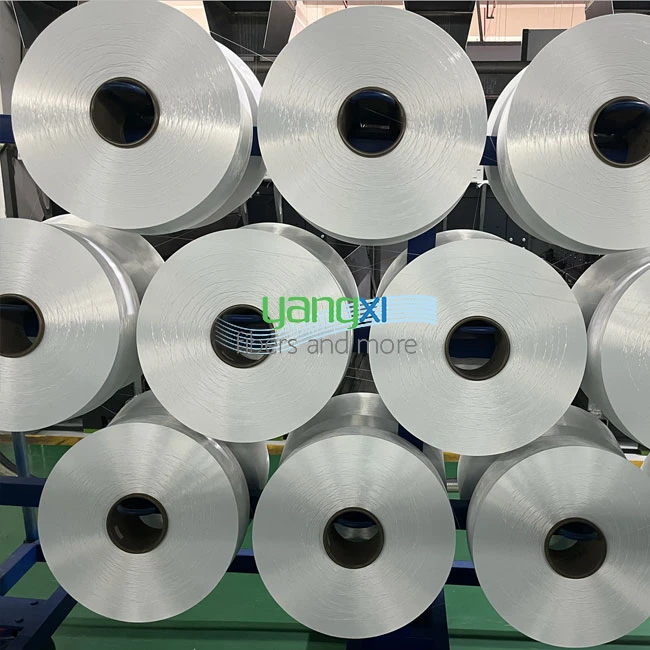
Our CiCLO Nylon is OEKO - TEX Certified Fibers, which means it is free from harmful substances and meets strict environmental and safety standards. This certification provides assurance to consumers that the product is safe for use and has a minimal impact on the environment.

Cotton can also be certified organic, which means it is grown without the use of synthetic pesticides and fertilizers. Organic cotton is often considered a more sustainable option, but it still has the same water - intensive production process as conventional cotton.
Cost Considerations
The cost of CiCLO Nylon and cotton can vary depending on several factors such as quality, production volume, and market demand. Generally, CiCLO Nylon may be more expensive than cotton due to its advanced technology and sustainable features. However, as the demand for sustainable materials increases and production processes become more efficient, the cost difference is likely to decrease.
Conclusion
In conclusion, both CiCLO Nylon and cotton have their own unique advantages and disadvantages. Cotton is a natural, breathable fiber that is well - suited for everyday clothing and home textiles. However, its high water consumption and potential environmental impacts are significant concerns.
CiCLO Nylon, on the other hand, offers a more sustainable alternative with excellent performance characteristics. Its biodegradability, strength, and moisture - wicking properties make it a great choice for high - performance applications and a step towards a more sustainable textile industry.
If you are interested in learning more about CiCLO Nylon or would like to discuss potential procurement opportunities, please feel free to reach out. We are always happy to assist you in finding the best textile solutions for your needs.
References
- World Wildlife Fund. (2023). The True Cost of Cotton.
- Industry reports on textile production and sustainability.