

In which industries is Conjugated Polyester Fiber commonly used?
Jun 18, 2026
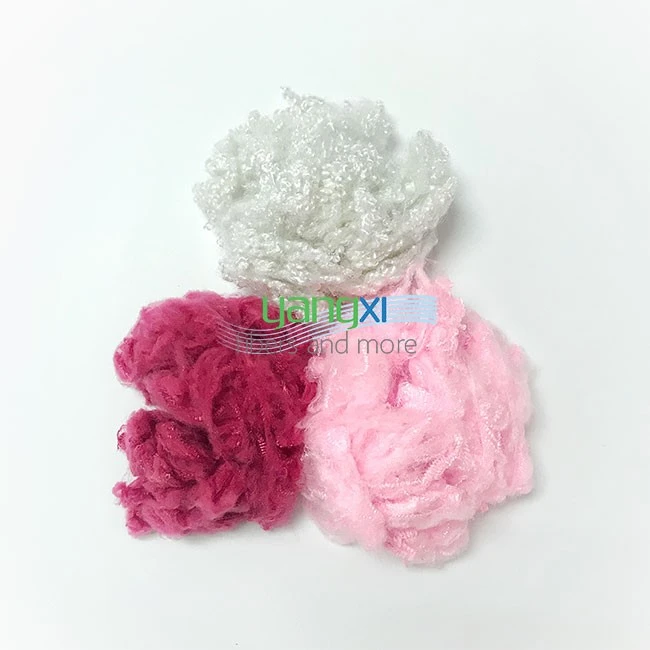
Conjugated polyester fiber, a remarkable material with unique properties, has found its way into a wide range of industries. As a leading supplier of conjugated polyester fiber, I am excited to explore the diverse applications of this versatile material.
Textile Industry
The textile industry is one of the primary consumers of conjugated polyester fiber. Its excellent strength, durability, and resistance to wrinkles make it an ideal choice for various textile products. In the production of clothing, conjugated polyester fiber is often blended with natural fibers such as cotton or wool to enhance the fabric's performance. For example, in sportswear, the fiber's moisture - wicking properties keep the wearer dry and comfortable during physical activities. The fabric made from conjugated polyester fiber dries quickly, reducing the risk of skin irritation caused by prolonged exposure to moisture.
In home textiles, conjugated polyester fiber is used in bedding, curtains, and upholstery. It provides a soft and comfortable feel while being easy to clean and maintain. The fiber's resistance to fading and shrinking ensures that the home textiles retain their appearance and shape over time. Moreover, its flame - retardant properties can be enhanced through special treatments, making it a safer option for home use.
Automotive Industry
The automotive industry also benefits significantly from conjugated polyester fiber. In car interiors, the fiber is used in seat covers, carpets, and headliners. Its high abrasion resistance ensures that these components can withstand the daily wear and tear of passengers. The fiber's ability to be dyed in a wide range of colors allows for greater design flexibility, enabling car manufacturers to create aesthetically pleasing interiors.
Conjugated polyester fiber is also used in automotive insulation. It provides excellent thermal and acoustic insulation, reducing heat transfer and noise inside the vehicle. This not only improves the comfort of the passengers but also helps in reducing the energy consumption of the car's heating and cooling systems.
Furniture Industry
In the furniture industry, conjugated polyester fiber is a popular choice for padding and filling materials. Staple Fiber For Padding is widely used in sofas, chairs, and mattresses. The fiber's resilience and softness provide a comfortable seating or sleeping experience. It can conform to the body's shape, offering support and reducing pressure points.
The fiber's hypoallergenic properties make it suitable for people with allergies. It is resistant to dust mites and mold, which are common allergens. Additionally, conjugated polyester fiber is easy to clean and maintain, making it a practical choice for furniture manufacturers.
Filtration Industry
The filtration industry relies on conjugated polyester fiber for its excellent filtration properties. The fiber can be used to make air filters, water filters, and industrial filters. Its fine fibers can trap small particles, such as dust, pollen, and bacteria, effectively improving the quality of air and water.
In air filtration, conjugated polyester fiber is used in HVAC systems, clean rooms, and automotive air filters. It can remove harmful pollutants from the air, creating a healthier environment. In water filtration, the fiber can remove impurities and contaminants, ensuring the safety of drinking water.
Non - Woven Industry
The non - woven industry is another major user of conjugated polyester fiber. Non - woven fabrics made from this fiber are used in a variety of applications, including medical products, hygiene products, and geotextiles.
In the medical field, non - woven fabrics made from conjugated polyester fiber are used in surgical gowns, masks, and wound dressings. The fiber's antibacterial properties and high strength make it suitable for these applications. It can prevent the spread of bacteria and provide a barrier against contaminants.
In hygiene products, such as diapers and sanitary napkins, conjugated polyester fiber is used for its absorbency and softness. It can quickly absorb and retain moisture, keeping the user dry and comfortable.
In geotextiles, the fiber is used to reinforce soil, prevent erosion, and separate different layers of soil. Its high strength and durability make it an ideal material for these applications.

Technical Textiles
Technical textiles are specialized textiles used for various industrial applications. Conjugated polyester fiber is widely used in technical textiles due to its unique properties. For example, in the aerospace industry, the fiber is used in aircraft interiors, such as seat covers and insulation materials. Its high strength - to - weight ratio makes it suitable for aerospace applications, where weight reduction is crucial.
In the construction industry, conjugated polyester fiber is used in concrete reinforcement. It can improve the strength and durability of concrete structures, reducing the risk of cracking and damage. The fiber can also be used in roofing materials, providing waterproofing and insulation.
Specific Products in Our Catalog
We offer a variety of conjugated polyester fiber products to meet the different needs of our customers. 7D*64mm HCS is a high - quality product with excellent resilience and softness. It is ideal for use in furniture padding and filling applications.
Our 15D Recycled Polyester Staple Fiber is made from recycled materials, which is an environmentally friendly option. It has good strength and can be used in a wide range of applications, including textiles, non - woven fabrics, and filtration.
Conclusion
Conjugated polyester fiber is a versatile material with a wide range of applications in various industries. Its unique properties, such as high strength, durability, moisture - wicking, and hypoallergenicity, make it an ideal choice for many products. As a supplier of conjugated polyester fiber, we are committed to providing high - quality products to meet the needs of our customers.
If you are interested in our conjugated polyester fiber products and would like to discuss your specific requirements, please feel free to contact us for procurement and negotiation. We look forward to working with you to find the best solutions for your business.
References
- "Textile Materials: Science and Technology" by David J. Vaughn
- "Automotive Textiles" by D. J. Hall
- "Non - Woven Fabrics: Principles and Applications" by Subhash Anand