

What is the durability of synthetic polyester fibres?
Jun 14, 2026
As a supplier of Fibres Synthetic Polyester, I've been deeply involved in the world of synthetic fibers for many years. One question that often comes up in discussions with clients and industry peers is: What is the durability of synthetic polyester fibres? In this blog, I'll delve into the various aspects of polyester fiber durability, exploring its characteristics, factors affecting it, and its applications in different fields.
Understanding Synthetic Polyester Fibres
Synthetic polyester fibres are man - made polymers, typically derived from petrochemicals. They are known for their versatility and are widely used in various industries, from textiles to non - woven products. Polyester fibers are created through a process called polymerization, where small molecules (monomers) are combined to form long chains (polymers). This results in fibers with specific properties that make them suitable for a range of applications.
One of the key features of polyester fibers is their high strength. Polyester has a relatively high tenacity, which means it can withstand a significant amount of stress without breaking. This strength is due to the long - chain molecular structure of the polyester polymer. The strong covalent bonds between the atoms in the polymer chains give the fibers their inherent durability.
Factors Affecting the Durability of Synthetic Polyester Fibres
Chemical Structure
The chemical structure of polyester is a major determinant of its durability. The ester linkages in the polyester polymer are relatively stable, which gives the fibers resistance to many chemicals. For example, polyester fibers are resistant to most acids and alkalis, which makes them suitable for use in environments where exposure to chemicals is a concern. However, prolonged exposure to strong acids or alkalis at high temperatures can cause the ester linkages to break down, leading to a reduction in the fiber's strength and durability.
Environmental Conditions
Environmental factors also play a crucial role in the durability of polyester fibers. Sunlight, for instance, can have a significant impact on the fibers. Ultraviolet (UV) rays from the sun can cause the polyester to degrade over time. This degradation is known as photodegradation, and it can lead to a loss of strength, color fading, and a change in the physical properties of the fibers. To mitigate this, manufacturers often add UV stabilizers to the polyester during the production process.
Moisture is another environmental factor that can affect polyester durability. While polyester is generally considered to be a hydrophobic fiber (it repels water), excessive moisture can still have an impact. High humidity levels can cause the fibers to absorb water, which can lead to swelling and a reduction in strength. In addition, moisture can also promote the growth of mold and mildew, which can further damage the fibers.
Mechanical Stress
Mechanical stress, such as abrasion, stretching, and bending, can also affect the durability of polyester fibers. In applications where the fibers are subject to frequent rubbing or friction, such as in clothing or upholstery, the fibers can wear down over time. To improve the abrasion resistance of polyester fibers, manufacturers may use special finishes or treatments. For example, some polyester fabrics are treated with a coating that reduces friction and protects the fibers from abrasion.
Applications and Durability
Textile Industry
In the textile industry, polyester fibers are widely used in clothing, home textiles, and industrial fabrics. Polyester clothing is known for its durability and wrinkle - resistance. It can withstand repeated washing and wearing without losing its shape or color. For example, polyester shirts can maintain their appearance even after multiple washes, making them a popular choice for everyday wear.
Home textiles, such as curtains and bedding, also benefit from the durability of polyester fibers. Polyester curtains are resistant to fading and can withstand the wear and tear of daily use. Bedding made from polyester is often easy to care for and can last for a long time.
Non - woven Industry
In the non - woven industry, polyester fibers are used in a variety of products, including filters, geotextiles, and disposable wipes. Recycled Solid Polyester Staple Fiber and 3D Recycled Polyester Staple Fiber are two types of polyester fibers commonly used in non - woven applications. These fibers offer excellent durability and can be tailored to meet the specific requirements of different products.
For example, in filter applications, polyester fibers are used because of their ability to trap particles and withstand the pressure of fluid flow. Geotextiles made from polyester fibers are used in civil engineering projects to reinforce soil and prevent erosion. These geotextiles need to be durable enough to withstand the harsh environmental conditions and mechanical stresses they are exposed to.
Our Fibres Synthetic Polyester Offerings
At our company, we are committed to providing high - quality Fibres Synthetic Polyester products. Our fibers are designed to offer excellent durability, whether they are used in textiles or non - woven applications. We use advanced manufacturing processes to ensure that our fibers have the optimal chemical structure and physical properties.
We also offer a range of recycled polyester fibers, which not only provide durability but also contribute to environmental sustainability. Our recycled polyester fibers are made from post - consumer waste, such as plastic bottles, and are processed to meet the same high standards as virgin polyester fibers.
Conclusion
The durability of synthetic polyester fibres is a result of their unique chemical structure, combined with proper manufacturing processes and treatments. While environmental factors and mechanical stress can affect their durability, polyester fibers generally offer a high level of performance and longevity. Whether you are in the textile or non - woven industry, our Fibres Synthetic Polyester products can provide the durability you need for your applications.

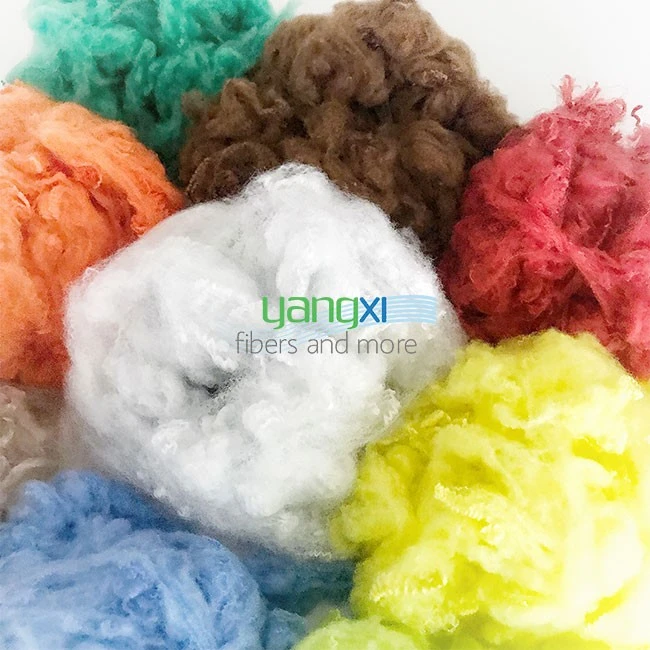
If you are interested in purchasing our synthetic polyester fibers, we invite you to contact us for a detailed discussion. We are here to help you find the right solutions for your specific needs.
References
- Morton, W. E., & Hearle, J. W. S. (2008). Physical Properties of Textile Fibres. Elsevier.
- Lewin, M., & Pearce, E. M. (Eds.). (1998). Handbook of Fiber Chemistry. Marcel Dekker.