

What is the price difference between synthetic polyester fibres and silk?
May 06, 2026
Hey there! As a supplier of Fibres Synthetic Polyester, I often get asked about the price difference between synthetic polyester fibres and silk. So, I thought I'd take a moment to break it down for you.
Let's start with silk. Silk is a natural fiber that's been around for thousands of years. It's made from the cocoons of silkworms, and the process of harvesting it is quite labor - intensive. First, the silkworms are carefully raised on a diet of mulberry leaves. Then, when they're ready to spin their cocoons, the cocoons are collected. To get the silk, the cocoons are boiled to kill the pupae inside and loosen the silk threads. After that, these threads are unwound and spun into yarn.
All this hard work and the natural origin of silk make it a premium product. The price of silk can vary widely depending on the quality, type, and where it's sourced from. High - end silk, like mulberry silk, can cost a fortune. For example, a high - quality silk scarf can set you back anywhere from $100 to several hundred dollars. And silk bedding? That can easily cost over $1000 for a set.
Now, let's talk about synthetic polyester fibres. Polyester is a man - made fiber. It's created through a chemical process that combines various chemicals to form long chains of polymers. This process is highly automated and can be done on a large scale.
One of the big advantages of synthetic polyester is its cost - effectiveness. It's much cheaper to produce compared to silk. There are different types of synthetic polyester fibres, like 3D Recycled Polyester Staple Fiber, Sustainable Polyester Fiber, and 6D Recycled Polyester Staple Fiber. These recycled polyester fibres are not only cost - effective but also more environmentally friendly.
The price of synthetic polyester fibres can be as low as a few dollars per pound. For example, a polyester fabric used for making everyday clothing can cost just a fraction of what a silk fabric would cost. You can find a polyester shirt in a store for $20 - $30, while a silk shirt might cost $100 or more.

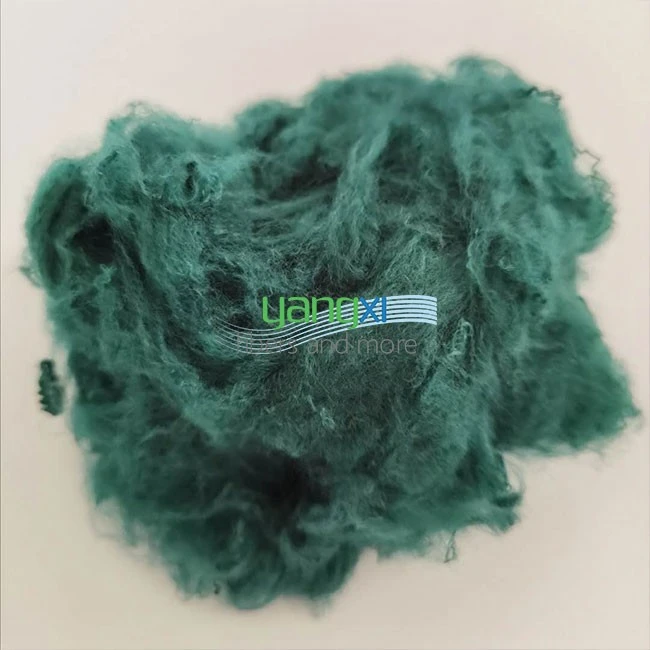
There are several reasons for this significant price difference. First, as I mentioned, the production process of silk is labor - intensive. It requires a lot of human effort at every stage, from raising the silkworms to processing the cocoons. On the other hand, polyester production is mostly automated, which reduces the labor cost.
Second, the raw materials for polyester are relatively inexpensive. They are derived from petroleum, which is widely available. Silk, however, depends on the availability of silkworms and mulberry leaves, and any disruption in the supply chain can affect the price.
Another factor is durability. Polyester is known for its durability. It's resistant to wrinkles, shrinking, and stretching. It can withstand repeated washing and still look good. Silk, while luxurious, is more delicate. It requires special care, like dry - cleaning, which adds to the overall cost of owning silk products.
In terms of performance, polyester also has some advantages. It dries quickly, which makes it a great choice for sportswear. Silk, on the other hand, takes longer to dry and can be a bit uncomfortable in hot and humid conditions.
However, silk has its own unique qualities. It has a natural sheen and a soft, smooth texture that's hard to replicate with synthetic materials. It's also breathable and hypoallergenic, which makes it a great choice for people with sensitive skin.
So, if you're on a budget and looking for a practical, durable fabric, synthetic polyester is a great option. But if you're willing to splurge and want a luxurious, natural fabric with unique properties, silk might be the way to go.
As a supplier of Fibres Synthetic Polyester, I can offer you a wide range of high - quality polyester fibres at competitive prices. Whether you're a clothing manufacturer, a home textile producer, or just someone looking for a reliable source of polyester fibres, I'd love to talk to you. If you're interested in learning more about our products or getting a quote, don't hesitate to reach out. We can discuss your specific needs and find the best solution for you.
References
- "The Science of Textiles" by Textile Institute
- "Silk Production: History and Modern Techniques" by Silk Association
- "Polyester: A Comprehensive Guide" by Chemical Fibers Association