
How to Fix Pilling & Lint Shedding on Brushed Fabrics: A Practical Guide
Sep 19, 2025
Brushed fabrics-think coral fleece, flannel, or polar fleece-are beloved for their soft, fuzzy texture, making them go-to choices for loungewear, blankets, and home textiles. But two common issues often dampen their appeal: pilling (those tiny fiber balls that form on the surface) and lint shedding (loose fibers that come off during wear or washing). The good news? With the right care, prevention, and treatment, you can minimize these problems and extend the life of your brushed fabric items. Below's a step-by-step breakdown of how to tackle both issues.
Part 1: How to Deal with Pilling on Brushed Fabrics
Pilling happens when loose fibers on the fabric's surface rub against each other (from wearing, washing, or friction with other items) and twist into small balls. Prevention is key-but if pilling already occurs, gentle treatment will avoid damaging the fabric.
1. Daily Prevention (Most Critical!)
Stop pilling before it starts with these simple habits:
- Wash Inside Out: Always flip brushed fabric items inside out before washing. This protects the fuzzy outer surface from direct friction with the washing machine drum or other clothes.
- Use a Laundry Bag: Place items in a mesh laundry bag-this adds an extra layer of protection against snagging and rubbing, especially for delicate pieces like fleece jackets.
- Choose Gentle Cycles: Opt for the "delicate" or "wool" cycle on your washing machine. These settings use slower spin speeds and less agitation, reducing fiber wear.
- Avoid Mixing with Rough Items: Never wash brushed fabrics with clothes that have zippers, buttons, sequins, or rough textures (like denim). These can snag fibers and worsen pilling.
2. How to Remove Existing Pills
For pills that have already formed, use these safe, effective methods-always test on a small, hidden area first:
- Fabric Shaver (Most Recommended): Lay the item flat, then glide a fabric shaver gently over the pilled areas. The shaver's small blades cut off pills without damaging the base fabric. Avoid pressing too hard or lingering on one spot (this can create holes).
- Wide Tape: Stick a piece of packing tape (or any wide, sticky tape) onto the pilled surface, then peel it off slowly. This lifts small, loose pills-great for quick touch-ups on small areas.
- New Safety Razor: Hold a fresh safety razor at a 45-degree angle to the fabric, then gently "shave" the pills in one direction (never back and forth). Move lightly-too much pressure will slice through the fabric.
- Pumice Stone or Sponge Sand Block: Dampen the stone/sand block slightly, then rub it gently over pilled areas in circular motions. The texture lifts pills without tearing fibers (ideal for thicker brushed fabrics like flannel).
3. Smart Buying Tips for Pill-Resistant Brushed Fabrics
The best way to avoid pilling is to choose high-quality brushed fabrics in the first place:
- Look for fabrics made with strong, uniform yarns (avoid loose, uneven yarns that fray easily).
- Opt for fabrics with high density and short, tight nap-short fibers are less likely to rub and form pills.
- For synthetic brushed fabrics (like polyester coral fleece), check if the fiber is labeled "anti-pilling" (these undergo special processing to reduce fiber breakage).
Part 2: How to Stop Lint Shedding on Brushed Fabrics
It's normal for new brushed fabrics (especially coral fleece and flannel) to shed a little loose lint in the first few washes-these are "floating fibers" left over from production. But excessive shedding can be fixed with proper pre-treatment and care.
1. "Fiber-Locking" Pre-Treatment (Highly Effective!)
Before the first wash, use these tricks to lock loose fibers in place:
- Salt Soak: Fill a basin with cold water and add 2–3 tablespoons of salt (the salt acts as a mild astringent to tighten fiber bonds). Soak the fabric for 15–30 minutes, then rinse lightly before washing as usual.
- Vinegar Soak: Mix cold water with a splash of white vinegar (about 1/4 cup per basin) and soak the fabric for 15 minutes. Vinegar not only locks fibers but also sets colors (great for vibrant brushed fabrics). The vinegar smell fades completely after washing.
2. Correct Washing Methods
Washing habits play a big role in reducing shedding-follow these rules:
- Use Cold Water: Wash in cold or lukewarm water (max 30°C). Hot water weakens fibers, making them shed more.
- Add Fabric Softener: In the final rinse, use a gentle fabric softener. It smooths fibers, reducing friction and preventing them from falling off.
- Hand Wash When Possible: For expensive or extra-sheddy items (like cashmere-blend brushed fabrics), hand wash gently with mild detergent-avoid wringing or scrubbing.
3. Proper Drying Techniques
Drying is just as important as washing-avoid these common mistakes:
- Air Dry (Don't expose to Direct Sun): Hang the fabric to dry in a shaded, well-ventilated area. Sunlight damages fibers, making them brittle and prone to shedding.
- Skip the Dryer: High heat and tumbling in dryers tear fibers and break down the nap. If you must use a dryer, choose the "air fluff" (no heat) setting and add a few clean tennis balls to prevent clumping (not recommended for delicate fabrics).
- Shake Gently Before Hanging: After washing, shake the fabric lightly to smooth the nap-never wring it (this twists fibers and causes shedding).
4. Quick Care Checklist for Brushed Fabrics
- New Items: Always pre-treat with salt/vinegar before first wear/wash.
- Before Washing: Flip inside out → put in a laundry bag → select "delicate" cycle.
- Washing No-Nos: No hot water, no strong bleach, no heavy-duty detergent.
- Drying No-Nos: No direct sun, no high-heat drying, no wringing.
Why Fiber Quality Matters for Brushed Fabrics
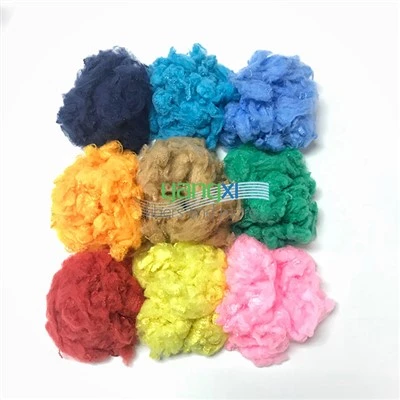
The performance of brushed fabrics-from anti-pilling to low shedding-starts with the base fibers. Many popular brushed fabrics (like polar fleece and coral fleece) are made with polyester fibers, and high-quality polyester makes all the difference:
- Our polyester staple fibers are engineered with uniform thickness and strong tensile strength, creating yarns that resist breaking and pilling. When woven into brushed fabrics, they form short, tight naps that stay in place.
- For nylon-blended brushed fabrics (used in durable loungewear or outdoor fleece), our nylon filaments add abrasion resistance, reducing friction-induced shedding even with frequent wear.
By choosing fabrics made with reliable polyester or nylon fibers, you'll start with a better foundation-paired with the care tips above, your brushed fabric items will stay soft, fuzzy, and long-lasting.
#BrushedFabricCare #TextileMaintenance #PolyesterFabricTips #FleeceCareGuide #HomeTextileCare