
Material Selection Guide: Mainstream Fabrics for High-Performance Summer Trousers
Jul 21, 2026
During peak summer weather, full-length trousers remain a staple choice for individuals seeking sun protection and defense against outdoor insects. However, wearing trousers in elevated temperatures presents significant thermal management challenges.
To prevent heat trapping and skin cling caused by perspiration, summer trouser fabrics must meet strict engineering criteria: high breathability, rapid thermal dissipation, efficient moisture absorption, quick-drying capabilities, and a non-stick tactile profile. Modern summer trouser textiles fall into two primary categories: natural breathable fabrics and functional synthetic textiles. For product developers and procurement managers building seasonal lines under Global Sourcing Strategies, selecting the correct fabric construction is critical for balancing comfort with structural drape.
1. Natural Breathable Fabrics: Organic Airflow and Fluid Drape
Natural fibers and cellulose-derived textiles offer inherent breathability and thermal relief through their unique physical microstructures.
Linen and Cotton-Linen Blends: Natural Micro-Climate Management
Linen is widely regarded as a benchmark natural textile for high-temperature environments.
- Hollow Fiber Microstructure: Linen fibers feature large hollow central canals (lumens) that facilitate rapid air circulation and rapid moisture absorption. When the wearer perspires, linen absorbs the moisture and dissipates it into the atmosphere quickly, preventing the fabric from clinging to the legs.
- Performance Optimization via Blending: While pure linen offers maximum dry tactility, its rigid fiber structure makes it prone to heavy wrinkling and localized bagging at the knees after prolonged sitting. To mitigate these mechanical limitations, modern mills utilize cotton-linen blends. Blending cotton with linen preserves the open, breathable structure of linen while introducing softness, improved elasticity, and enhanced wrinkle resistance, creating a relaxed, vintage visual texture suitable for daily commuting and leisure wear.
Tencel (Lyocell): Superior Fluid Drape and Moisture Dispersion
Derived from sustainably harvested wood pulp, Tencel (Lyocell) is a regenerated cellulose fiber known for its cool surface feel and fluid drape.
- Smooth Surface Morphology: The ultra-smooth surface of Tencel fibers creates a cool touch upon contact with the skin. Its high moisture absorption capacity draws sweat away from the body and releases it externally, eliminating stuffiness during warm weather.
- Drape and Styling: Tencel fabrics exhibit a sleek, fluid drape, making them ideal for wide-leg tailored trousers and modern straight-leg commuter slacks. Because fine Tencel yarns can be sensitive to heavy surface abrasion (which may cause snagging), garments made from Tencel are best suited for indoor office environments, formal commuting, and casual wear.
2. Functional Synthetic Fabrics: Surface Cooling and Quick-Dry Utility
Functional synthetic textiles utilize specialized cross-sections and fiber blends to deliver instant thermal relief and high durability.
Ice Silk: Contact Cooling and Lightweight Comfort
Ice silk is a popular functional textile designed specifically for contact cooling in warm environments.ce
Loose Fiber Geometry: Engineered with a loose, porous fiber geometry, ice silk provides an immediate cooling sensation upon touching the skin. The lightweight construction allows sweat to evaporate rapidly, preventing fabric adhesion to the legs during active movement.
- Structural Reinforcement: Pure ice silk fabric can be excessively soft, resulting in a loss of garment structure and silhouette collapse. To improve garment recovery and maintain clean vertical lines in straight-leg or wide-leg trousers, manufacturers blend small per
ntages of spandex into the yarn matrix.
Lightweight Quick-Dry Nylon and Polyester: Outdoor and Commuter Utility
Engineered specifically for outdoor activities, travel, and high-intensity commuting, modern quick-dry synthetics offer light weight, wrinkle immunity, and high abrasion resistance.
- Micro-Porous Airflow Engineering: Unlike traditional synthetic fabrics that trap heat, modern summer quick-dry textiles feature advanced micro-porous weaving techniques. These micro-apertures allow body heat to vent continuously while maintaining high UV protection and water-repellent performance.
- Fast Evaporation: These fabrics absorb minimal water, allowing them to dry rapidly after rain or intense sweating, offering low-maintenance performance for active wearers.
3. Engineering Next-Generation Trouser Fabrics with Sustainable Fibers
While natural fibers provide comfortable tactility and synthetic polymers deliver quick-drying utility, modern apparel manufacturing increasingly relies on hybrid technical blends to achieve optimal Material Performance.
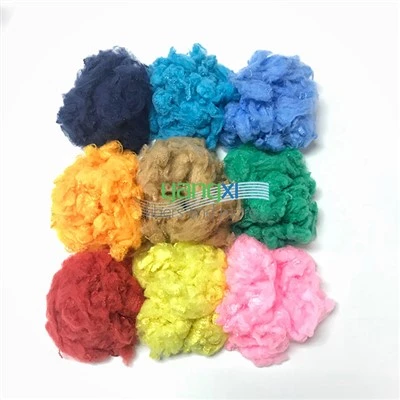
- Enhancing Structural Recovery with Recycled Polymers: Incorporating high-tenacity Recycled Polyester Staple Fiber into cotton-linen or ice-silk blends significantly improves tear strength, dimensional stability, and crease resistance. This GRS-certified sustainable polymer provides high fiber uniformity, enabling lightweight summer trouser fabrics to retain crisp structural lines through repeated wear and washing cycles.
- Tailored Performance with Specialty Additives: For technical outdoor or commuter trousers requiring specialized features-such as permanent flame retardancy, low-pilling surface profiles, or chemical resistance-blending base fabrics with Special Environmental Fibers provides a precise solution. This multi-material approach enables textile mills to meet strict international performance standards while supporting overall Supply Chain Resilience.
Strategic Sourcing Summary for Summer Apparel Collections
Selecting the right fabric for summer trousers depends on the target application:
- Natural Comfort: Choose cotton-linen blends for a breathable, vintage aesthetic.
- Tailored Drape: Choose Tencel for sleek, fluid office slacks.
- Contact Cooling: Choose spandex-reinforced ice silk for soft, cooling casual pants.
- Outdoor Utility: Choose micro-porous quick-dry nylon or polyester for lightweight, wrinkle-free performance.
By avoiding dense heavy-weight cottons and thick denims, apparel brands can build summer trouser collections that combine heat dissipation with clean tailoring. Utilizing integrated manufacturing and cross-border supply networks across China, Thailand, and Vietnam allows international sourcing teams to secure high-quality raw fiber blends, manage tariff structures, and ensure reliable seasonal deliveries.