
Pique Cotton vs. Regular Combed Cotton: A Technical Evaluation of Knit Structures and Sourcing Applications
Jun 11, 2026
In the volume apparel manufacturing and professional sourcing sectors, selecting the correct knitted substrate for casual, corporate, and active sportswear collections is a critical factor governing final product positioning. Among the most frequently evaluated materials for T-shirts and classic polo shirts are pique cotton and regular combed cotton. While corporate buyers occasionally group these two materials together under general cotton classifications, their internal geometric structures, tactile performance under humidity, and structural lifecycles are completely different. For international purchasing networks, understanding these structural differences is essential to align garment development with practical market expectations.
Microstructural Geometry and Weaving Topography
The primary technical distinction between these two fabrics is determined by the specific configuration of the knitting machinery during production:
- Regular Combed Cotton Structure: This material is typically manufactured using standard jersey plain stitches or basic twill patterns, producing a flat, smooth, and uniform surface topography. The cotton fibers are aligned tightly alongside one another, creating a soft, compliant hand-feel that delivers close-contact skin comfort, making it a reliable choice for everyday basic apparel.
- Pique Cotton Structure: This fabric belongs to a specialized category of geometric knit structure, utilizing a specific tuck-stitch arrangement. This configuration produces a uniform, geometric matrix of miniature honeycombs, geometric cells, or small textured bumps on the face of the fabric that resemble a pattern of aligned pearls. This raised geometric framework creates a completely different tactile experience compared to flat jerseys.
Performance Dynamics and Physiological Comfort
The contrasting geometric layouts of these materials produce distinct behaviors when subjected to moisture, heat, and regular wearing stress:
- Moisture Retention and Skin Adhesion: Regular cotton possesses a high natural moisture regain capacity, absorbing sweat effectively. However, under high-temperature conditions or during active physical exertion, the flat fibers saturate and adhere directly to the skin, causing a sticky, uncomfortable sensation. Conversely, pique fabric utilizes its open-cell matrix to facilitate continuous air circulation. This layout accelerates moisture dissipation and keeps the material from adhering to the skin when wet, allowing the wearer to remain dry during extended periods of wear.
- Dimensional Stability and Wrinkle Resistance: Regular cotton fabrics feature a pliable framework that is naturally soft but prone to localized creasing, distortion, and gradual stretching around high-stress areas like necklines, requiring careful handling post-laundering. The cell-like architecture of pique cloth provides inherent structural support, making the material naturally crisp and resistant to creasing. It maintains its tailored silhouette over extensive wash cycles and exhibits lower laundering shrinkage, especially when the lot has undergone standardized industrial preshrinking processes.
Commercial Sourcing Environments and Fabric Selection
Because of these distinct performance attributes, product development teams assign these materials to separate retail categories. Regular cotton is well-suited for lifestyle loungewear, soft inner layers, and fluid fashion silhouettes where close-contact comfort is prioritized. Pique cloth is the global benchmark for executive corporate casuals, golf apparel, and active tennis uniforms, where preserving a sharp appearance and ensuring high breathability are mandatory requirement parameters.
Supply Chain Optimization: Enhancing Pique Matrices with Functional Synthetics
To assist global fashion houses in satisfying modern corporate durability standards and managing volatile agricultural margins, progressive textile spinning mills are blending natural cotton with advanced synthetic options to optimize the final material performance of pique knits.
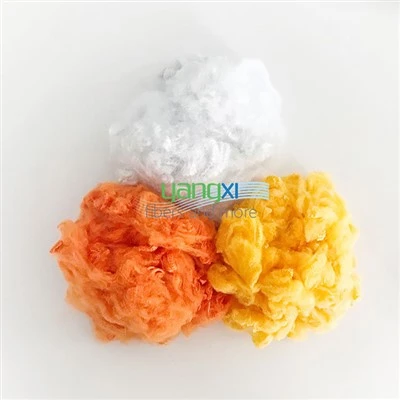
When engineering high-frequency corporate uniforms or durable athletic polos that must withstand industrial laundering, substituting standard synthetic components with premium Recycled Polyester Staple Fiber allows weavers to improve mechanical abrasion resistance and wrinkle recovery while utilizing verified, post-consumer circular polymer loops. For brands looking to optimize color depth and achieve a super-soft hand-feel without relying on delicate natural fibers, blending base structures with high-performance Bosilun fibers provides excellent dye affinity and enhanced comfort parameters under highly flexible processing settings.
Concurrently, during the structural finishing and edge-stabilization phases of tailored collars and plackets, utilizing precision Low Melt thermal bonding fibers helps manufacturers secure crisp, clean borders that resist curling or fraying over prolonged product lifecycles. Implementing these targeted material upgrades allows volume garment producers to avoid low-margin price wars, insulate their logistics networks from natural fiber cost spikes, and establish robust supply chain resilience in an evolving global retail market.