Technical Guide to Fabric Blend Ratios: Analyzing Performance Metrics and Optimal Cotton Percentages
Jul 04, 2026
In the international apparel manufacturing and commercial sourcing sectors, evaluating fiber composition is a critical step in establishing product quality. While non-technical consumers frequently equate 100% pure cotton with premium quality, textile engineers and global procurement managers recognize that pure natural fibers have distinct physical limits.
Pure cotton offers comfort but lacks structural stability, whereas pure synthetic polymers offer high durability but lack sufficient air permeability. By engineering precise blend ratios, manufacturers can balance these physical behaviors to optimize total Material Performance.
Technical Methodology for Interpreting Fiber Composition
The standard mechanism for identifying fiber distribution in commercial textiles is the mandatory care and composition label stitched into the interior seam of regular garments. Accurate specifications outline the exact weight percentages of each fiber component.
The majority of everyday commercial apparel utilizes a binary blend matrix composed of natural cotton and synthetic polyester. To upgrade fabric mechanics, premium weavers frequently introduce a minor elastomer fraction-typically 3% to 5% spandex-into the spinning process to improve stretch recovery and prevent structural deformation under physical tension.
Categorizing Cotton Blend Tiers by Performance Characteristics
The specific percentage of cotton within a woven or knitted matrix dictates how the finished fabric behaves during commercial laundering, garment cutting, and extended wear:
1. High-Purity Cotton Tier: 95% to 100% Cotton
- Performance Profile: This tier provides exceptional skin comfort, superior breathability, and reliable moisture transport. It is highly suitable for close-fitting undergarments, basic lightweight T-shirts, and infant apparel lines.
- Structural Vulnerabilities: High-purity cotton matrices possess low structural stability. They are highly susceptible to dimensional shrinkage, severe creasing, and structural relaxation (bagging) over extended wear cycles, making them poorly suited for structured outerwear or trousers.
2. The Golden Ratio Industry Standard: 80% to 90% Cotton + 10% to 20% Polyester
- Performance Profile: This specific composition window is recognized across the Global Textile Supply Chain as the optimal balance for everyday casual wear.
- Structural Gains: By anchoring the natural cotton fibers within a strong polyester framework, the fabric retains its breathable, skin-friendly texture while gaining excellent wrinkle recovery and dimensional stability. This ratio prevents shrinking and warping, making it the preferred composition for high-turnover sweatshirts, woven shirts, and casual trousers.
3. Economic Utility Tier: 60% to 75% Cotton
- Performance Profile: Engineered primarily for high-volume, budget-sensitive clothing lines. This composition provides high mechanical durability and abrasion resistance.
- Structural Vulnerabilities: Due to the reduced natural fiber content, these fabrics offer lower breathability, present a stiffer tactile feel, and exhibit a higher tendency to develop surface pilling under repetitive friction.
4. Synthetic-Dominant Tier: Below 60% Cotton
- Performance Profile: In this zone, the chemical polymer properties dominate the fabric structure. The textile exhibits a firm, slick hand-feel, poor air permeability, high static electricity accumulation, and severe surface pilling, rendering it unsuitable for close-fitting garments.
Commercial Blend Classifications and Sourcing Applications
| Cotton Percentage Range | Companion Fiber Allotment | Primary Structural Benefits | Optimal Apparel Applications |
|---|---|---|---|
| 95% to 100% | 0% to 5% Minor Additives | Maximum breathability, high skin comfort, low static. | Next-to-skin underwear, infant garments, basic tees. |
| 80% to 90% | 10% to 20% Synthetic Polymer | High wrinkle recovery, stable dimensional shape, low shrinkage. | Premium hoodies, corporate shirts, daily casual pants. |
| 60% to 75% | 25% to 40% Synthetic Polymer | High abrasion resistance, rigid weave structural matrix. | Budget-tier basic apparel, utility uniform programs. |
| Below 60% | Over 40% Synthetic Polymer | Maximum tensile strength, low fabrication costs. | Non-contact outerwear linings, industrial utility items. |
Advanced Fiber Blending for Enhanced Supply Chain Resilience
To overcome the technical flaws of pure natural fibers without relying on low-grade virgin plastics, leading apparel brands are adjusting their Global Sourcing Strategies toward sustainable composite engineering.
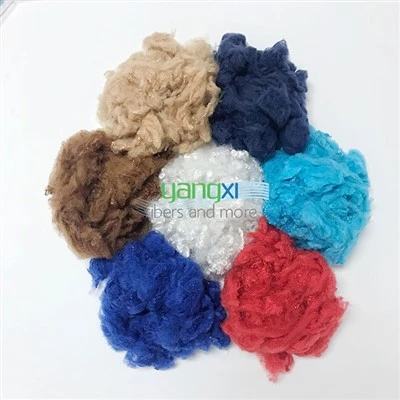
- Securing Structural Integrity with Recycled Components: When engineering the synthetic portion of the 80/20 or 60/40 golden ratio blends, utilizing premium Recycled Polyester Staple Fiber yields excellent results. This post-consumer material provides reliable tensile strength, strict batch consistency, and low thermal shrinkage. It functions as an internal framework that locks the natural cotton fibers in place, ensuring the garment survives industrial laundering without shrinking or losing its shape.
- Integrating Technical Functionality: For high-end garment contracts that demand unique performance profiles-such as inherent flame retardancy, specialized moisture management, or specific colorfastness parameters-combining natural cotton with specialized Special Environmental Fibers provides a highly stable solution. This approach enables manufacturers to avoid price competition, satisfy strict international environmental regulations, and establish long-term Supply Chain Resilience across changing global markets.