
The Pros and Cons of Choosing Polyester for Curtains
Dec 26, 2025
In the home textile market, Polyester (often referred to as PET or Dacron) has become the dominant choice for curtains. Known for its exceptional cost-performance ratio and low-maintenance nature, it is a staple in modern households. However, while it excels in practical utility, it has specific characteristics that may or may not suit every living space.
I. The Advantages: Why Polyester Leads the Market
- Wrinkle Resistance & Easy Care: Polyester fibers are naturally resilient and maintain their shape well. Unlike linen or cotton, polyester curtains rarely wrinkle or deform. After washing, they often return to their flat, crisp state without the need for frequent ironing.
- Superior Durability: Among common fibers, polyester is highly resistant to abrasion. It can withstand daily pulling and friction over many years, offering a long service life for family homes.
- Excellent Opacity & Draping: By increasing the fabric weight or applying specialized coatings, polyester curtains can achieve high blackout levels. Its inherent stiffness also ensures a beautiful, clean drape that looks organized and professional.
- Highly Cost-Effective: As a synthetic fiber, polyester is easier to mass-produce than natural fibers like silk or linen. This makes it a much more budget-friendly option for large windows or whole-house outfitting.
- Lightfastness (UV Resistance): Polyester is remarkably resistant to sunlight. It does not yellow or fade easily even when exposed to direct sunlight for long periods, making it the ideal choice for south-facing windows or balconies.
II. The Disadvantages: Considerations Before Buying
- Low Breathability: Because polyester is hydrophobic and has a tight fiber structure, air circulation is limited. In hot summer months, thick polyester curtains may trap heat, making a room feel slightly stuffy.
- Static & Dust Attraction: In dry seasons, polyester is prone to generating static electricity through friction. This can cause the fabric to attract dust and hair, requiring regular dusting to maintain a clean appearance.
- Rigid Texture: Pure polyester can feel somewhat "stiff" or "plasticky" compared to the soft, skin-friendly touch of cotton or the luxurious flow of silk. While high-end blends improve this, entry-level polyester may lack a premium tactile feel.
III. Strategic Sourcing: The Fiber Foundations of Home Textiles
The quality of a curtain-from its drape to its light resistance-is determined by the consistency of the raw materials used in the weave. At Jiangyin Yangxi International Trade, we provide the specialized fiber solutions that power the home decor industry:
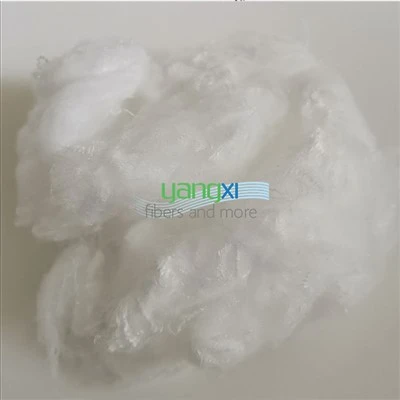
- High-Consistency Filaments: We supply Polyester staple fibers and filaments that are engineered for high-density weaving. This ensures that the final curtain fabric has the structural integrity required for excellent draping and effective light blocking.
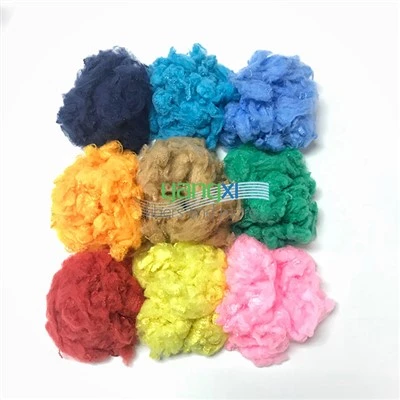
- Optimized for Dyeing & Finishing: Our fibers are designed for superior dye uptake, ensuring that polyester curtains maintain vibrant, fade-resistant colors even under heavy UV exposure.
- Blending Capabilities: For manufacturers looking to overcome the "stiff" texture of pure polyester, Yangxi International provides blending fibers that allow for a mix with cotton or rayon. This results in curtains that combine the durability of polyester with the soft, breathable hand-feel of natural fibers.