What Counts as Eco-Friendly Fabric?
Sep 23, 2025
A common misconception in the textile industry is that "natural fabrics are always eco-friendly, while synthetic ones are not." But true eco-friendly fabric isn't defined by whether it's "natural"-it's about minimizing pollution and conserving resources across the entire lifecycle: from raw material extraction and production to use and final disposal. To help you navigate the often confusing world of "green fabrics," we break down the three core categories of eco-friendly fabrics and share key tips to avoid greenwashing.
Three Core Categories of Eco-Friendly Fabrics
Not all "green" fabrics are created equal-they fall into distinct groups based on how they're sourced, made, and disposed of:
1. Recycled Fabrics: Turning Waste into New Materials
Recycled fabrics are among the most practical eco-friendly options, as they tackle two problems at once: reducing waste and cutting the need for virgin resources. They're made by processing post-consumer or post-industrial waste into new textile fibers, then weaving/knitting them into fabric.
- Common Examples:
Recycled polyester (from plastic bottles or old polyester clothes)
Recycled cotton (from textile factory scraps or pre-loved cotton garments)
Recycled nylon (from fishing nets or industrial nylon waste)
- Why It's Eco-Friendly:
Diverts waste from landfills and oceans (e.g., a single recycled polyester garment keeps ~10 plastic bottles out of landfills) and uses 50–70% less energy and water than producing virgin synthetic fibers.
2. Bio-Based Fabrics: From Renewable, Plant-Derived Raw Materials
Bio-based fabrics replace petroleum (the raw material for most synthetics) with renewable, plant-based sources. What sets them apart is their end-of-life impact-most can biodegrade naturally, leaving no toxic residue.
- Common Examples:
Corn fiber (made from corn starch)
Seaweed fiber (extracted from sustainable seaweed farms)
Hemp fiber (hemp grows quickly without pesticides or excessive water)
- Why It's Eco-Friendly:
Reduces reliance on fossil fuels (a non-renewable resource) and avoids the "forever waste" problem of traditional synthetics. For example, corn fiber garments can break down in soil within 6–12 months, unlike regular polyester which takes decades.
3. Sustainable Natural Fabrics: Not All "Natural" Qualifies
Not every natural fabric is eco-friendly-ordinary cotton, for instance, uses 2,700 liters of water to make one t-shirt and relies heavily on pesticides. Sustainable natural fabrics are those that meet strict standards for responsible sourcing and production.
- Common Examples:
Organic cotton (grown without synthetic pesticides/fertilizers, using 91% less water than conventional cotton)
Responsible wool (certified to ensure sheep are treated humanely and grazing doesn't damage ecosystems)
Linen (flax, the raw material for linen, grows with minimal water and no pesticides)
- Why It's Eco-Friendly:
Protects soil, water, and biodiversity while ensuring fair labor practices-unlike conventional natural fabrics that often have hidden environmental and social costs.
How to Avoid Greenwashing: 3 Key Checks
With many brands using "eco-friendly" as a marketing buzzword, here's how to verify if a fabric is truly green:
1. Look for Authorized Certifications
Skip vague claims like "made with green materials"-only fabrics with reputable certifications are trustworthy. The most recognized ones include:
- GOTS (Global Organic Textile Standard): For organic natural fabrics (e.g., organic cotton, wool).
- GRS (Global Recycled Standard): For recycled fabrics (verifies the percentage of recycled content and ethical production).
- RWS (Responsible Wool Standard): For wool, ensuring animal welfare and environmental responsibility.Always cross-check the certification number on the issuing organization's official website-fake certifications are common.
2. Don't Judge by Raw Material Alone
A fabric made from "sustainable bamboo" isn't eco-friendly if its production uses toxic chemicals (e.g., some bamboo viscose relies on harsh solvents that pollute water). Ask for details on the entire production process: Are water and energy used efficiently? Are chemicals safely disposed of?
3.Think About End-of-Life Impact
A fabric is only truly eco-friendly if it doesn't become permanent waste. Ask: Can it biodegrade (like bio-based fabrics) or be recycled again (like high-quality recycled polyester)? Traditional synthetics (e.g., regular polyester) that take 20–200 years to decompose don't qualify-even if they're labeled "green."
Aligning with Eco-Friendly Fabric Trends: Our Sustainable Fiber Solutions
For brands and manufacturers looking to create truly eco-friendly textiles, choosing the right raw fibers is critical. Our product lineup is designed to meet the demands of sustainable fabric production:
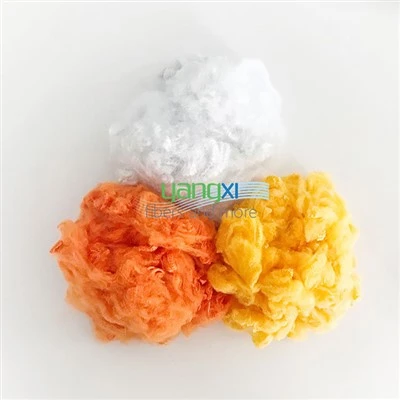
- Recycled Polyester Staple Fiber: Made from post-consumer plastic waste, it's certified to GRS standards-ideal for creating recycled fabrics that reduce landfill waste and energy use. It performs like virgin polyester but with a fraction of the environmental footprint.
- CiCLO Fibers: Our CiCLO polyester (filament and staple) and CiCLO nylon (filament and staple) solve the "end-of-life" problem of traditional synthetics. They fully degrade in specific conditions (e.g., soil) within approximately three years, making them a game-changer for eco-conscious apparel and home textiles that don't linger as waste.
Both solutions align with the core principles of eco-friendly fabrics-minimizing resource use, reducing pollution, and ensuring responsible disposal-without compromising on performance.
#EcoFriendlyFabricGuide #SustainableTextiles #RecycledPolyester #CiCLOFiber #TextileCertifications