
What Is 3-in-1 Protective Fabric (Water-, Oil-, Stain-Resistant)? And Its Key Application Scenarios
Oct 22, 2025
3-in-1 protective fabric-often called "water-oil-stain resistant fabric" in the textile industry-refers to fabrics engineered with three core functions: water resistance, oil resistance, and stain resistance. These capabilities are achieved through either coating the fabric surface with a special functional layer or using advanced weaving techniques. The end result? A fabric that effectively blocks liquid penetration and prevents stains from adhering, making it a go-to choice for scenarios where durability and easy maintenance matter most.
The Core Principles Behind 3-in-1 Protective Fabric
Each of the three "protective" functions relies on targeted design to tackle specific liquids or contaminants. Let's break down how they work, in simple, practical terms:
1. Water Resistance: Keep Liquids Out
The fabric is treated with a hydrophobic (water-repelling) coating that forms an invisible barrier on its surface. This barrier changes the fabric's "surface tension"-when water droplets hit the fabric, they can't seep into the fibers. Instead, they roll off the surface like beads on a waxed car, leaving the fabric dry underneath. Even light rain or splashes won't soak through, making it ideal for wet conditions.
2. Oil Resistance: Block Grease & Oils
Unlike water, oils (such as cooking oil, motor oil, or salad dressing) have a lower surface tension, which makes them more likely to soak into regular fabrics. 3-in-1 protective fabrics solve this with an oleophobic (oil-repelling) component in the coating. This component creates a barrier that repels oily liquids, preventing them from soaking into the fabric fibers. For example, a drop of cooking oil on a 3-in-1 chef's coat will stay on the surface, not seep in or leave a stubborn stain.
3. Stain Resistance: Make Cleaning Easier
Stain resistance is a "bonus" of the first two functions. Since water and oil can't penetrate the fabric, dirt, dust, and other contaminants (like ketchup, coffee, or mud) can't bind to the fibers as easily. Most stains sit on top of the protective coating, so they can be wiped off with a damp cloth or cleaned with mild soap and water-no need for harsh detergents or repeated scrubbing. This not only keeps the fabric looking new but also extends its lifespan.
Key Application Scenarios: Where 3-in-1 Protective Fabric Shines
The versatility of 3-in-1 protective fabric means it's used across multiple industries, from outdoor gear to everyday home items. Here are the most common and practical scenarios:
1. Outdoor Apparel: Stay Dry in the Elements
Outdoor clothing is one of the biggest users of 3-in-1 fabric, as it needs to stand up to rain, snow, and mud. Examples include:
- Jackets & Pants: Hiking jackets, waterproof jackets, and ski pants-these fabrics keep hikers, campers, and skiers dry even in heavy rain or snow.
- Rain Gear: Lightweight raincoats and ponchos-their water-resistant coating ensures no leakage, while the stain-resistant feature makes it easy to clean off mud or dirt from trails.
2. Workwear: Protect Against Job-Site Messes
Many professions involve exposure to oil, grease, or dirty water, so 3-in-1 fabric is a staple for work uniforms:
- Chef Uniforms: Coats and aprons for chefs and kitchen staff-they repel splatters of cooking oil, sauce, and soup, keeping uniforms clean and reducing laundry frequency.
- Auto Repair Overalls: Garments for mechanics-resist motor oil, gasoline, and grease stains, so workers don't have to replace overalls as often.
- Sanitation Workers' Clothing: Jackets and pants for sanitation staff-block dirty water and mud, keeping workers dry and protected during waste collection.
3. Daily Apparel: Simplify Life for Families
For everyday clothes, especially for kids or busy adults, 3-in-1 fabric solves the hassle of frequent stains:
- Children's Clothing: Shirts, pants, and smocks-repel juice, milk, ketchup, and dirt. Parents can wipe off most stains quickly, avoiding frequent washes that fade clothes.
- Casual Jackets: Lightweight windbreakers and trench coats-keep rain out during commutes and resist stains from coffee spills or dust, keeping the jacket looking neat.
4. Home Textiles: Keep Furnishings Looking New
Home items that face daily spills (like drinks, food, or dirt) benefit greatly from 3-in-1 protection:
- Sofa Covers & Cushions: Protect against coffee, wine, or sauce spills. A quick wipe with a cloth removes the mess, no need to wash the entire cover.
- Tablecloths & Placemats: Resist oil from meals and drink splatters, making post-dinner cleanup faster.
- Curtains: Prevent dust buildup and repel water from accidental splashes (like near windows during rain), keeping curtains clean longer.
Why Base Fibers Matter for 3-in-1 Fabric Performance
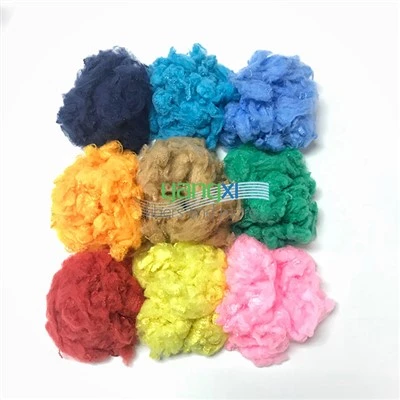
The effectiveness of 3-in-1 protective fabric starts with the right base fibers. Polyester and nylon fibers-our core products-are ideal for this purpose:
- Polyester Fibers (Filaments/Staples): Durable, wrinkle-resistant, and easy to bond with protective coatings. Polyester-based 3-in-1 fabrics retain their water/oil resistance even after repeated washes, making them perfect for outdoor apparel and workwear.
- Nylon Fibers (Filaments/Staples): Lightweight and stretchy, with strong adhesion to coatings. Nylon-based 3-in-1 fabrics are great for casual jackets and children's clothing, balancing comfort and functionality.
By choosing high-quality polyester or nylon fibers as the base, manufacturers can create 3-in-1 fabrics that last longer, perform better, and meet the needs of diverse industries-from outdoor gear to home textiles.
#3in1ProtectiveFabric #WaterOilStainResistant #TextileIndustryGuide #PolyesterNylonFibers #OutdoorWorkwearFabric