
China-Pakistan Bilateral Strategic Cooperation Accelerates: Full-Chain Integration Redefines Regional Textile Corridors
May 29, 2026
A major diplomatic milestone between China and Pakistan has designated the textile industry as a primary corridor for deep structural alignment. By focusing on specialized industrial park infrastructure and model manufacturing clusters, this comprehensive framework elevates historical transactional trading into a scaled, high-value collaborative ecosystem. Utilizing the strategic framework of the China-Pakistan Economic Corridor, both nations are establishing a highly synchronized network aimed at strengthening cross-border manufacturing efficiencies and enhancing regional supply chain resilience.
The Anchoring Role of Textile Manufacturing in Pakistan's Economy
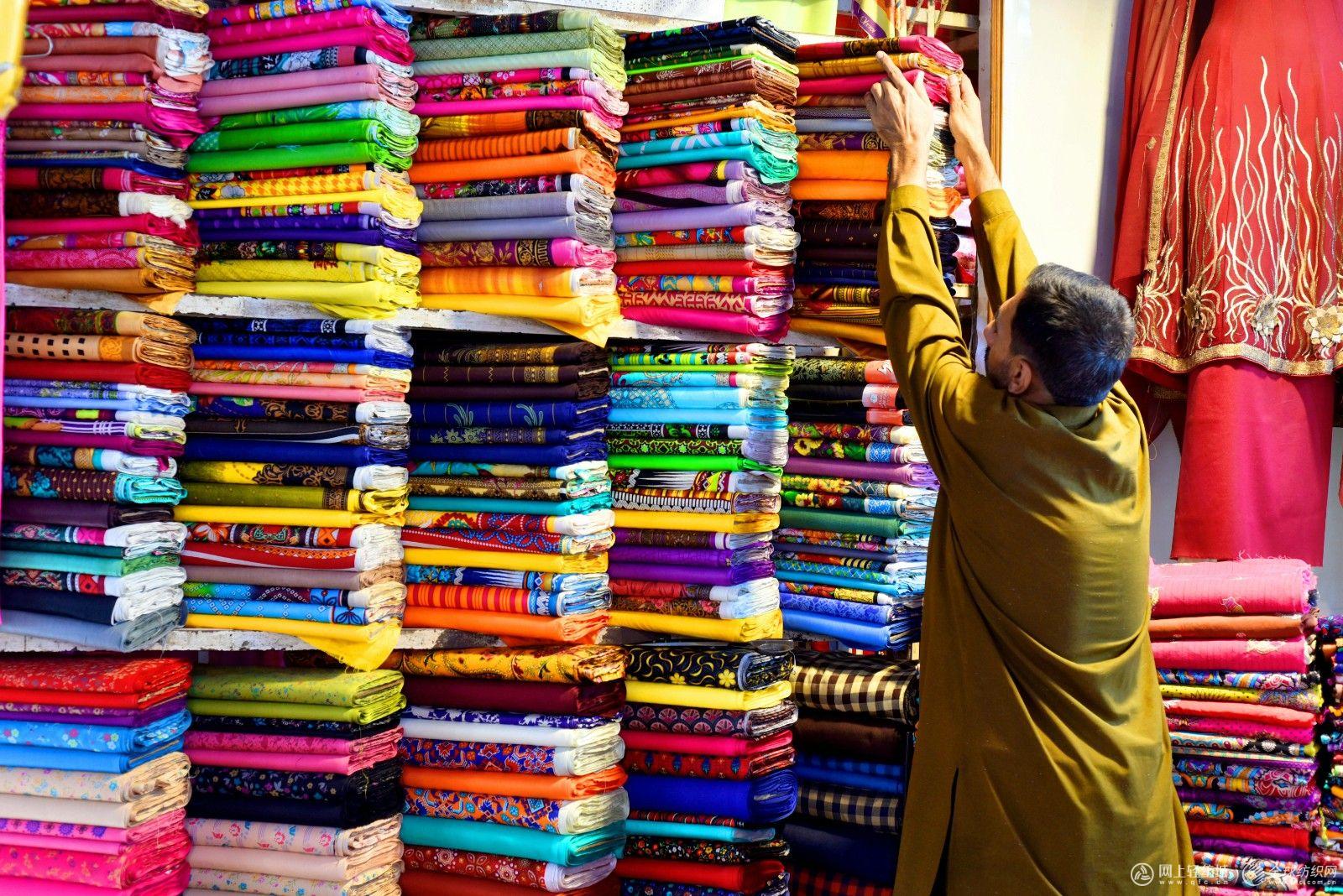
Textile manufacturing serves as the baseline economic engine for Pakistan, representing nearly 60% of the nation's total outbound shipments and employing 40% of its industrial labor force. The distinct advantage of this regional hub lies in its fully integrated value chain, spanning localized cultivation, spinning, weaving, and finishing to apparel manufacturing. This vertical cohesion is backed by massive operational capacities, including millions of operational spindles and thousands of advanced knitting machines yielding an annual processing volume exceeding 5 billion square meters. Centered in major industrial hubs within the Punjab and Sindh provinces, particularly Faisalabad, the local industry maintains highly stable commercial linkages, consistently supplying elite international sportswear and fashion brands. Reflecting this strong momentum, sector revenues achieved a record 16.5 billion USD in fiscal year 2023, with subsequent textile and leather shipments advancing 7% in 2025.
Addressing Supply Gaps through Advanced Industrial Clusters
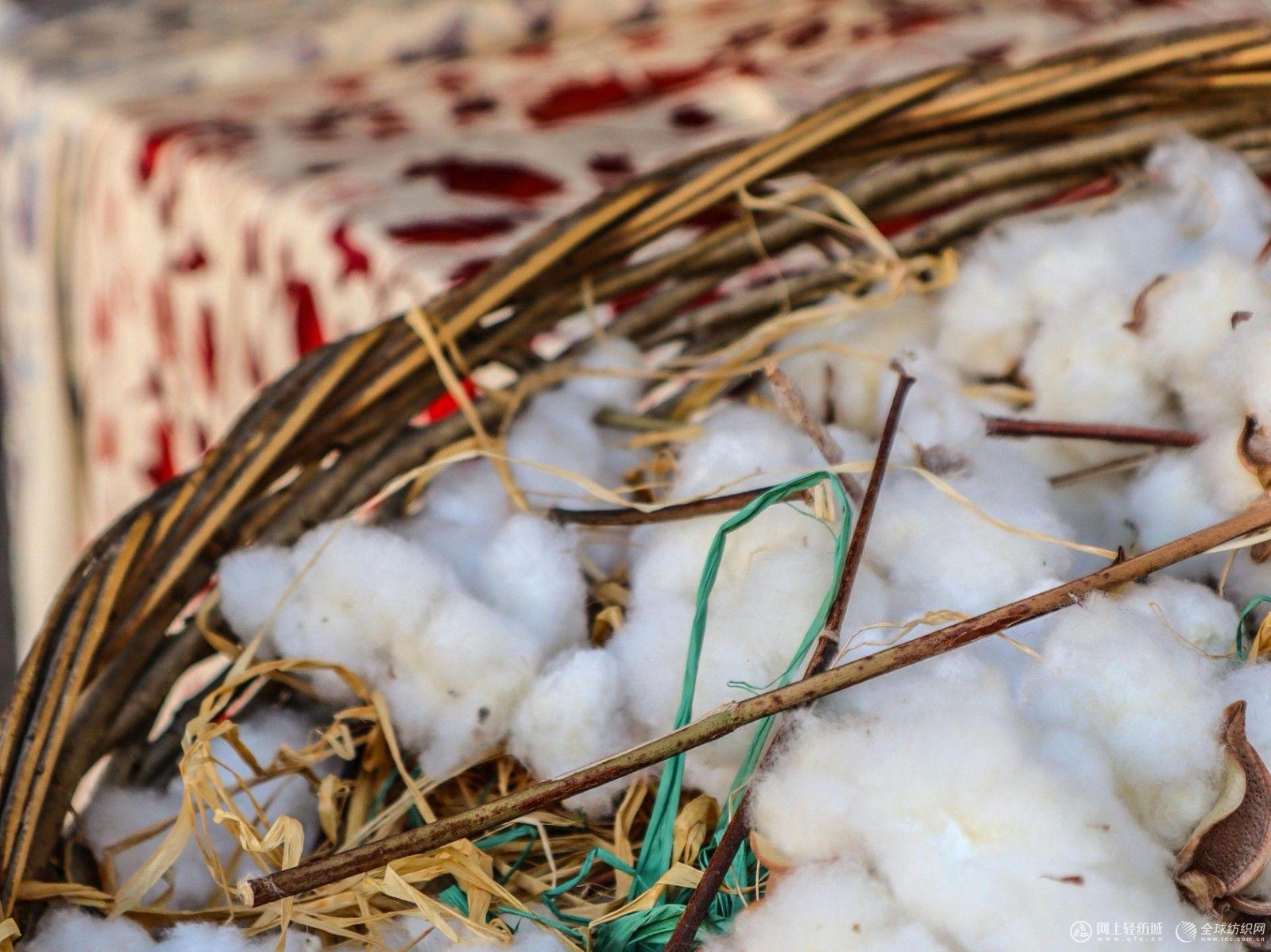
Despite this robust operational foundation, structural supply imbalances persist within the localized market. Domestic crop yields face periodic agricultural volatility, creating a consistent reliance on imported uncarded fiber inputs, high-tier functional fabrics, and chemical auxiliaries, while automated machinery represents an immediate requirement for factory modernization. China has established an essential positioning as the primary country of origin for technical machinery and specialized inputs.
To bridge these gaps, the newly established bilateral consensus focuses on developing synchronized industrial parks designed to pool resources. Under this model, Chinese enterprises contribute advanced technical processes, energy-efficient methodologies, and precision material engineering, while Pakistan provides optimized investment environments, preferential fiscal policies, and scaled manufacturing capacity. This cross-border dynamic establishes an efficient operational layout, enabling manufacturers to blend localized production advantages with sophisticated technical inputs to capture expanding global market allocations.
Conclusion: Driving Global Value Chain Upgrades with Sustainable Synthetics
As these localized production lines transition toward intelligent and ecological manufacturing paradigms, the demand for advanced, sustainable raw materials is accelerating. Elevating fabric specifications is an essential framework for factories aiming to maintain their positioning with major international retailers.
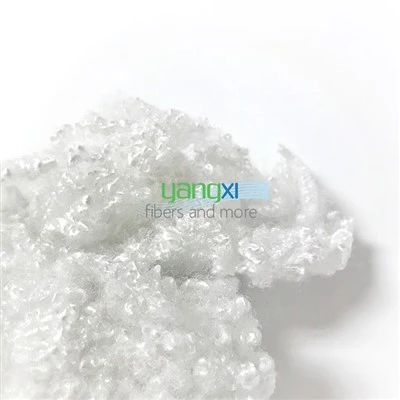
Integrating premium Recycled Polyester Staple Fiber into standard spinning and weaving schedules allows manufacturers to balance production costs while satisfying strict global circular economy benchmarks. For export portfolios destined for Western retail markets requiring verified environmental compliance, incorporating the advanced CiCLO® biodegradable series or bio-based PLA fibers provides a reliable mechanism to meet sustainability mandates. Furthermore, the deployment of OEKO-TEX certified traceable fibers helps local weaving installations verify product safety and environmental accountability directly to brand auditors.
For specialized protective and industrial collections, blending conventional fibers with functional Flame Retardant materials or utilizing specialized Low Melt matrices enhances physical durability and performance metrics. Additionally, utilizing versatile Bosilun fibers within mixed yarn configurations improves tactile properties and processing yields. By anchoring these technical environmental fibers within the newly developed industrial zones, textile enterprises can better support their operating margins. This strategic focus on high-value, sustainable material solutions is designed to help cross-border enterprises successfully navigate changing trade architectures, securing long-term operational stability and driving mutual progress toward the mid-to-high tiers of the global textile value chain.