
Early September Market Divergence As Textile Raw Material Sectors Face Cost And Demand Tug-of-War
Sep 02, 2026
As early September initiates the traditional peak "Golden September" demand window across the textile supply chain, raw material markets demonstrate distinct performance divergence. Cotton futures, physical cotton yarn, and polyester staple fiber (PSF) are traversing contrasting trajectories.
Driven by fluctuating upstream feedstock costs against cautious downstream order releases, the overall supply chain remains locked in an intense tug-of-war between raw material cost support and lagging retail demand realization.
1. Cotton Market Divergence: Futures Strength vs. Weak Spot Trading
The domestic cotton sector exhibits a widening spread between financial market expectations and physical trading volume:
- Zhengzhou Cotton Futures Dynamics: Zhengzhou cotton futures held near recent highs, settling at 17,110 RMB per ton (up 50 RMB per ton in late trading). Speculative interest remains buoyed by expectations of tight old-crop supply and pre-harvest seed cotton acquisition pricing across Xinjiang ginning mills.
- Physical Spot Softness: The domestic 3128B cotton price index weakened to 18,357 RMB per ton (down 53 RMB per ton in a single session). Physical transactions remain subdued as spinning mills consume existing inventories rather than building spot reserves.
- Supply Outlook Constraints: With northern Xinjiang cotton harvesting approaching, incoming new-crop volume will introduce supply pressure, limiting futures upside and locking raw cotton into a range-bound consolidation pattern.
2. Cotton Yarn Dynamics: Product Bifurcation and Procurement Hedging
The cotton yarn sector is characterized by firm mill quotations accompanied by highly segmented product demand:
Sector Performance Matrix: Raw Cotton vs. Cotton Yarn vs. Polyester Staple Fiber
| Sector Category | Current Pricing & Market Trend | Order Profile & Inventory Status | Procurement Strategy |
| Raw Cotton (3128B) | Spot index at 18,357 RMB/ton; futures at 17,110 RMB/ton. | Trading quiet; old-crop supply being consumed gradually. | Mills consuming spot reserves; awaiting harvest pricing. |
| Cotton Yarn | Firm quotes; futures and spot moving upward together. | Small/short orders; high-count compact yarn strong; low-count inventory accumulating. | Small mills buying hand-to-mouth; large mills using basis-point hedging. |
| Polyester Staple Fiber | Surged 200 RMB/ton to 8,080 RMB/ton on PTA/EG costs. | Cost-driven surge; downstream weaving buying strictly on rigid immediate needs. | Strict just-in-time buying to avoid sudden upstream margin drops. |
3. Polyester Staple Fiber Momentum: Cost-Push Drivers and Supply Tightness
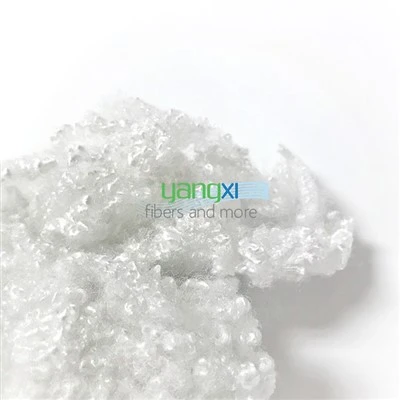
Polyester staple fiber (PSF) emerged as the primary market highlight, outperforming cotton categories with mainstream spot quotes jumping to 8,080 RMB per ton-a single-day gain of 200 RMB per ton.
- Upstream Feedstock Drivers: The price surge in polyester fiber was heavily pushed by rising upstream PTA and ethylene glycol (EG) feedstock costs, combined with voluntary production cutbacks and plant maintenance turnarounds across major chemical fiber producers.
- Downstream Caution: Weaving mills have resisted chasing prices upward, maintaining strict just-in-time purchasing. If petrochemical feedstock costs pull back or restarted plants increase spot fiber supply, PSF prices could face margin compression unless autumn fabric orders accelerate.
4. Supply Chain Risk Management and Technical Fiber Alternatives
To navigate raw material price volatility and protect operating margins during seasonal transitions, spinning and weaving mills are adjusting their fiber procurement strategies:
- Sustainable Synthetic Alternatives: To hedge against fluctuating virgin polyester prices and raw cotton volatility, yarn spinners are expanding the use of GRS-certified Recycled Polyester Staple Fiber. Utilizing consistent recycled PET bottle flake feedstocks allows mills to produce stable poly-cotton blended yarns, maintaining yarn strength while controlling raw material input costs.
- Specialized Technical Solutions: For technical textile manufacturers seeking high-margin production, integrating specialized functional fibers such as Flame Retardant synthetic staple fibers insulates production lines from standard apparel seasonality, building long-term Material Performance, enhancing Supply Chain Resilience, and solidifying Global Sourcing Strategies.
Technical Summary for Raw Material Purchasing Directors
The early September textile market is defined by strong upstream cost floors paired with cautious downstream procurement. Apparel mills and yarn spinners should avoid speculative inventory stockpiling, maintaining rigid, phased raw material replenishment while monitoring Xinjiang cotton harvest costs, downstream fabric order conversions, and upstream petrochemical price movements.
Leveraging our integrated cross-border supply chain network across China, Thailand, and Vietnam, we support global trade partners in sourcing certified synthetic fiber inputs, managing raw material inventory risks, and executing resilient Global Sourcing Strategies.