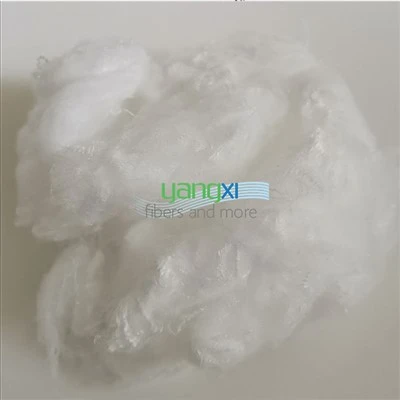


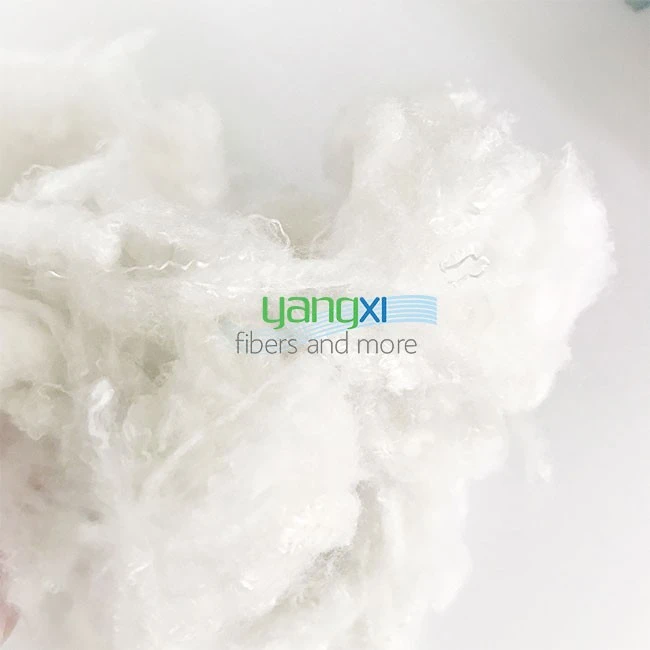
Low Melt Polyester Fiber
In the diverse world of textile materials, Low Melt Polyester Fiber has become a key player in numerous specific application scenarios due to its unique performance advantages. It is a polyester fiber developed and produced through special processes. By precisely adjusting its molecular structure and physicochemical properties, it has acquired the distinctive low melting point characteristic, bringing innovative solutions to the textile and related industries and demonstrating great potential in meeting diverse production needs.
- Fast Delievery
- Quality Assurance
- 24/7 Customer Service
Product Introduction
Product Overview
In the diverse world of textile materials, Low Melt Polyester Fiber has become a key player in numerous specific application scenarios due to its unique performance advantages. It is a polyester fiber developed and produced through special processes. By precisely adjusting its molecular structure and physicochemical properties, it has acquired the distinctive low melting point characteristic, bringing innovative solutions to the textile and related industries and demonstrating great potential in meeting diverse production needs.
Core Performance Features
- Low Melting Point Advantage: The melting point of Low Melt Polyester Fiber is significantly lower than that of conventional polyester fiber, usually ranging from 110°C to 130°C (which may vary depending on the production process and specifications). This characteristic enables it to melt first when heated, thus playing a crucial role in some special processing techniques. For example, in the production process of thermal-bonded nonwoven fabrics, when reaching its melting point, the fiber can quickly melt and bond with surrounding fibers to form a firm and uniform fiber network without the need for additional chemical adhesives. This not only simplifies the production process but also avoids the environmental and quality issues that may be caused by chemical adhesives.
- Good Bonding Ability and Plasticity: Thanks to its low melting point, it exhibits excellent bonding ability. Whether it is combined with the same low melting point fibers or used with other conventional fibers, it can tightly bond under heating conditions to form a stable structure. Moreover, during the melting process, it has good plasticity and can be shaped into various forms and structures according to the requirements of different molds or processing techniques, providing abundant creative space for product design and development.
- Stable Physicochemical Properties: Besides the special melting point, it also maintains a good level in conventional physical properties such as strength and toughness, meeting the basic mechanical requirements in textile processing and subsequent use. Meanwhile, it has high chemical stability and good tolerance to common chemical substances and environmental factors, and is less likely to undergo deterioration, decomposition and other situations, ensuring that the product can be used reliably in different environments.
Wide Application Areas
- Textile Composite Materials Field: It is often used for blending with other fibers to produce functional textile fabrics. For example, when mixed with natural fibers (such as cotton and hemp), it can produce clothing fabrics that are warm, breathable and have a certain structural strength. In industrial textile composite materials, when combined with glass fibers, etc., it can enhance the overall toughness and wear resistance of the materials, and is suitable for making conveyor belts, tarpaulins and other products, improving their service life and performance.
- Filling Material Field: When used as a filling material, it can better fix the shape after heating. When filled in pillows, toys and other products, it can not only provide a soft and comfortable touch but also avoid the problems of fiber displacement and agglomeration during the use process, keeping the product in good appearance and user experience.
Environmental Protection and Sustainable Development
Low Melt Polyester Fiber also has a positive significance in environmental protection. Since it does not require chemical adhesives in the thermal bonding process, it reduces the use and emission of chemical substances, which conforms to the current concept of green production and sustainable development. Moreover, some production processes can use recycled polyester raw materials to produce Low Melt Polyester Fiber, further reducing the impact on the environment and helping to build an industrial model of resource recycling. Let your products contribute to environmental protection while meeting functional requirements.
Quality Assurance and Service Support
We attach great importance to product quality. From the screening of raw materials, strict control of the production process to the meticulous inspection of finished products, every link follows a high-standard quality system to ensure that each batch of Low Melt Polyester Fiber can stably reach the expected performance indicators. Meanwhile, we have a professional technical team that can provide you with all-round technical consultation and service support. Whether it is product selection, process optimization or problems encountered during use, we can answer your questions and assist you in solving them in a timely manner to ensure the smooth progress of your production and use process.
Hot Tags: low melt polyester fiber, China low melt polyester fiber suppliers, Bosilun Fiber, specialty polyester and other eco-friendly fibers, Virgin Polyester Tops, Low Melt Polyester Fiber, Bosilun Tops, PLA Fiber