

Do virgin polyester tops attract lint?
Jun 30, 2026
Do virgin polyester tops attract lint? This is a question that often comes up in the textile industry, especially among those involved in the sourcing and manufacturing of clothing and other fabric products. As a supplier of Virgin Polyester Tops, I've had my fair share of discussions on this topic. In this blog post, I'll delve into the science behind lint attraction, examine whether virgin polyester tops are prone to it, and share some insights for those considering using these materials.
Understanding Lint and Its Causes
Lint is essentially small fibers that have detached from fabrics. It can come from a variety of sources, including the fabric itself, other textiles in the environment, and even dust particles. The main factors that contribute to lint attraction are static electricity, fiber friction, and the surface texture of the fabric.
Static electricity plays a significant role in lint attraction. When two materials rub against each other, electrons can be transferred, creating a charge. This charge can cause the fabric to attract lint and other small particles. Synthetic fibers, such as polyester, are more likely to generate static electricity compared to natural fibers like cotton. This is because synthetic fibers have a lower moisture content, which makes it easier for electrons to build up on the surface.

Fiber friction is another factor that can lead to lint attraction. When fibers rub against each other, they can break down and release small particles. This is more likely to occur in fabrics that are made from low-quality fibers or have a rough surface texture. Additionally, the way a fabric is woven or knitted can also affect the amount of friction between fibers.
The surface texture of the fabric can also influence lint attraction. Fabrics with a smooth surface are less likely to attract lint compared to those with a rough or textured surface. This is because smooth surfaces have fewer places for lint to stick to.
Virgin Polyester Tops: A Closer Look
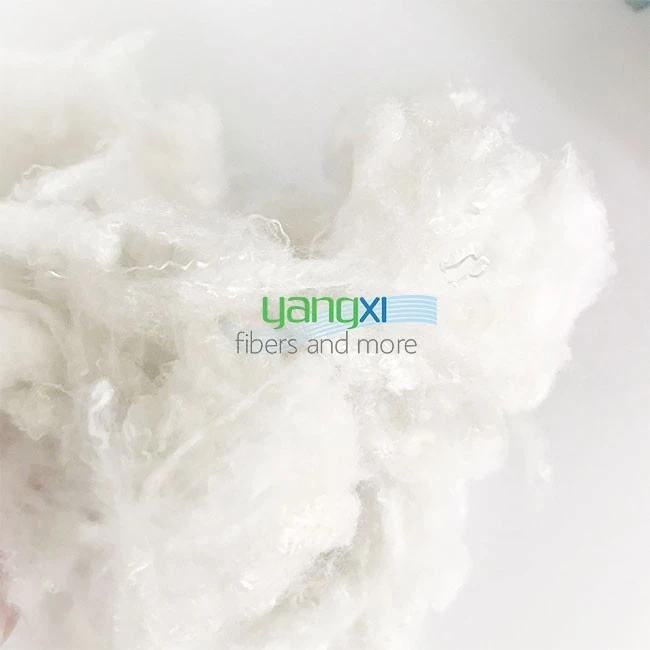
Virgin polyester tops are made from newly produced polyester fibers, as opposed to recycled polyester. These fibers are known for their strength, durability, and resistance to wrinkles and shrinking. They are also often used in the production of high-quality clothing, bedding, and other fabric products.
One of the advantages of virgin polyester tops is that they have a relatively smooth surface texture. This means that they are less likely to attract lint compared to some other types of fabrics. However, it's important to note that virgin polyester tops can still generate static electricity, which can cause them to attract lint.
Another factor to consider is the quality of the virgin polyester tops. Higher-quality tops are typically made from finer fibers, which are less likely to break down and release lint. Additionally, these tops may be treated with anti-static agents or other finishes to reduce static electricity and lint attraction.
Scientific Studies on Lint Attraction
There have been several scientific studies on the lint attraction of different types of fabrics, including polyester. One study published in the Journal of Textile Science and Engineering found that polyester fabrics with a higher surface roughness were more likely to attract lint compared to those with a smoother surface. The study also found that the addition of anti-static agents to the fabric reduced lint attraction.
Another study conducted by the University of California, Davis, examined the effect of fiber type and fabric construction on lint attraction. The researchers found that synthetic fibers, including polyester, were more likely to attract lint compared to natural fibers. However, they also found that the way the fabric was woven or knitted had a significant impact on lint attraction. Fabrics with a tighter weave or knit were less likely to attract lint compared to those with a looser construction.
Tips for Reducing Lint Attraction
If you're using virgin polyester tops in your products, there are several steps you can take to reduce lint attraction. Here are some tips:
- Choose high-quality tops: As mentioned earlier, higher-quality tops are less likely to break down and release lint. Look for tops that are made from finer fibers and have a smooth surface texture.
- Use anti-static agents: Anti-static agents can help to reduce static electricity and lint attraction. You can apply these agents to the fabric during the manufacturing process or use a fabric softener with anti-static properties.
- Wash and dry the fabric properly: Washing and drying the fabric in a gentle cycle can help to reduce the amount of lint that is released. Avoid using high heat settings, as this can cause the fibers to break down and release more lint.
- Store the fabric properly: Storing the fabric in a clean, dry environment can help to prevent lint from accumulating on the surface. You can also use a lint roller or other cleaning tool to remove any lint that may have collected on the fabric.
Conclusion
In conclusion, while virgin polyester tops are generally less likely to attract lint compared to some other types of fabrics, they can still be prone to it. The main factors that contribute to lint attraction are static electricity, fiber friction, and the surface texture of the fabric. By choosing high-quality tops, using anti-static agents, washing and drying the fabric properly, and storing it in a clean environment, you can reduce the amount of lint that is attracted to your products.
If you're interested in purchasing Virgin Polyester Tops for your business, I encourage you to contact me to discuss your specific needs. We also offer other specialty polyester products, such as Flame Retardant Polyester Staple Fiber and Low Melt Polyester Fiber. I look forward to working with you to find the right solutions for your textile needs.
References
- Journal of Textile Science and Engineering. (Year). Study on lint attraction of polyester fabrics.
- University of California, Davis. (Year). Effect of fiber type and fabric construction on lint attraction.