

How do CiCLO Polyester Fibers compare to silk fibers?
Jul 18, 2026
Polyester and silk have long been two dominant players in the textile industry, each celebrated for its unique properties. As a supplier of CiCLO Polyester Fibers, I've witnessed a significant shift in the market towards more sustainable options. In this blog post, I'll dive into a detailed comparison between CiCLO Polyester Fibers and silk fibers, exploring their characteristics, environmental impacts, and performance in various applications.
Physical and Aesthetic Properties
One of the first things people notice about textile fibers is their appearance and feel. Silk, renowned for centuries, is a natural protein fiber produced by silkworms. It has a luxurious, smooth texture that glides over the skin, earning it a reputation for high - end apparel. Its natural sheen gives silk fabrics an elegant and sophisticated look, making them a staple in formal wear, lingerie, and scarves.
On the other hand, CiCLO Polyester Fibers offer a different aesthetic. Polyester, a synthetic fiber, can be engineered to mimic the look and feel of silk to a certain extent. Modern manufacturing techniques have enabled the production of polyester fibers that are soft, shiny, and drape well, similar to silk. However, there are still some differences. Silk has a more natural and organic luster, while the shine of polyester can sometimes appear more artificial, although this is less noticeable in high - quality CiCLO Polyester Fibers.
In terms of strength, polyester fibers generally have an edge over silk. Polyester is a strong, durable fiber that can withstand more wear and tear. It is less likely to tear or fray compared to silk, which is relatively delicate. This makes CiCLO Polyester Fibers a great choice for products that require long - term use, such as sportswear, upholstery, and outdoor textiles.
Comfort and Breathability
Comfort is a crucial factor when choosing textile fibers. Silk is highly breathable and has excellent moisture - wicking properties. It can absorb up to 30% of its weight in moisture without feeling wet, which helps keep the body cool and dry. This makes silk a popular choice for summer clothing and bedding.
CiCLO Polyester Fibers have also made significant strides in terms of comfort and breathability. Through innovative technologies, these fibers can be designed to have good moisture management capabilities. They can wick sweat away from the body and dry quickly, making them suitable for activewear. However, compared to silk, polyester may not be as breathable in extreme heat and humidity, as it has a tendency to trap heat close to the body.
Environmental Impact
The environmental aspect is where CiCLO Polyester Fibers really shine. Silk production, while natural, comes with its own set of environmental challenges. Traditional silk production involves boiling silkworms in their cocoons, which is considered inhumane by some. Additionally, silk farming requires large amounts of land, water, and energy to grow the mulberry trees that silkworms feed on.
In contrast, CiCLO Polyester Fibers are part of the CiCLO Sustainable Textile initiative. These fibers are designed to be more environmentally friendly. They are made with a special additive that enables them to biodegrade in landfill conditions. This is a significant advantage over traditional polyester, which can take hundreds of years to break down. By choosing CiCLO Polyester Fibers, consumers can reduce their environmental footprint and contribute to a more sustainable future.
Cost and Availability
Cost is often a decisive factor in the textile market. Silk is generally more expensive than polyester. The labor - intensive and time - consuming process of silk production, from silkworm rearing to the spinning of silk threads, drives up the cost. Additionally, the limited availability of high - quality silk in the market further contributes to its high price.
CiCLO Polyester Fibers, on the other hand, are more cost - effective. Polyester is a synthetic fiber that can be mass - produced, which reduces the cost per unit. This makes it accessible to a wider range of consumers and industries. Whether you're a small fashion brand or a large upholstery manufacturer, CiCLO Polyester Fibers offer a more budget - friendly alternative without sacrificing too much in terms of performance.
Applications
The different properties of CiCLO Polyester Fibers and silk fibers make them suitable for different applications. Silk's elegance and comfort make it ideal for high - end fashion items such as evening gowns, silk blouses, and silk ties. It is also a popular choice for luxury bedding and home decor items like curtains and upholstery for high - end furniture.
CiCLO Polyester Fibers have a wide range of applications. In the sportswear industry, their strength, moisture - wicking properties, and quick - drying capabilities make them a top choice for athletic apparel, including running shorts, cycling jerseys, and workout tops. They are also commonly used in outdoor textiles such as tents, awnings, and backpacks, thanks to their durability and resistance to environmental factors. In the home textile market, CiCLO Polyester Fibers can be found in carpets, rugs, and upholstery fabrics, offering a cost - effective and sustainable option.
Technical Advancements
Over the years, both silk and polyester fibers have seen significant technical advancements. In the case of silk, genetic engineering and improved silkworm breeding techniques are being explored to increase silk production and improve its quality. Some research is also focused on developing more sustainable silk production methods that are less harmful to the environment and animals.

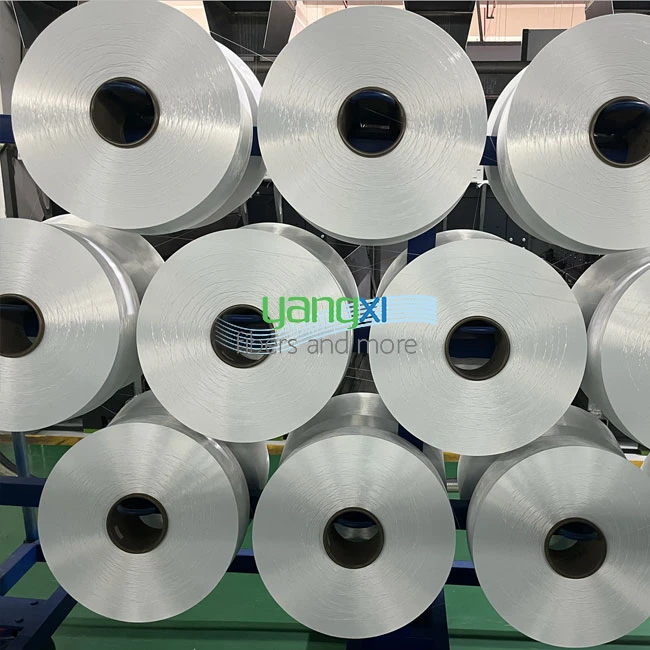
For CiCLO Polyester Fibers, the development of the biodegradable additive is a major breakthrough. This not only addresses the environmental concerns associated with traditional polyester but also positions CiCLO Fibers as a leader in the Sustainable Textile Fibers market. Additionally, ongoing research is being conducted to further enhance the comfort, breathability, and aesthetic qualities of these fibers, making them even more competitive with natural fibers like silk.
Conclusion
In conclusion, both CiCLO Polyester Fibers and silk fibers have their own unique advantages and disadvantages. Silk offers a luxurious feel, natural breathability, and an elegant appearance, but it comes with a higher cost and some environmental concerns. CiCLO Polyester Fibers, on the other hand, provide durability, cost - effectiveness, and a more sustainable option. With the added benefit of biodegradability, they are well - positioned to meet the growing demand for eco - friendly textiles.
If you're in the market for textile fibers and are looking for a sustainable, high - performance option, I encourage you to consider CiCLO Polyester Fibers. We are committed to providing the highest quality products and excellent customer service. Whether you're a fashion designer, a textile manufacturer, or a retailer, we'd love to discuss your specific needs and how our products can fit into your business. Contact us today to start a procurement conversation and be part of the sustainable textile revolution.
References
- "Textile Fibers: Natural and Man - Made" by J. D. M. Macarthur
- "Sustainable Textiles: Designing for People and Planet" by Kate Fletcher and Lynda Grose
- Research papers on the environmental impact of silk production and the development of biodegradable polyester fibers.