

How do synthetic polyester fibres compare to hemp fibres in terms of performance?
Sep 04, 2026
Hey there! As a supplier of synthetic polyester fibres, I often get asked how our products stack up against hemp fibres in terms of performance. Well, let's dive right in and explore this comparison.
Durability
When it comes to durability, synthetic polyester fibres have a clear edge over hemp fibres. Polyester is a man - made material that's designed to be tough. It can withstand regular wear and tear, making it a great choice for products that need to last. For example, in automotive non - wovens, Polyester Fiber For Automotive Non - wovens is highly durable. It can handle the constant vibrations, friction, and exposure to different environmental conditions inside a vehicle.
On the other hand, hemp fibres are natural and while they are strong, they are not as resistant to abrasion as polyester. Over time, hemp products may start to show signs of wear, especially if they are used in high - stress applications. So, if you're looking for something that will keep its quality for a long time, polyester is the way to go.
Moisture Management
Moisture management is another important aspect of fibre performance. Polyester has excellent moisture - wicking properties. It can quickly move sweat away from the body, keeping you dry and comfortable. This makes it a popular choice for sportswear and activewear. Our Dope Dyed Color Polyester Staple Fiber can be used in these types of products, providing both color and moisture - wicking benefits.
Hemp fibres, however, absorb moisture more readily. While this can be an advantage in some cases, like in humid environments where it can help regulate body temperature, it also means that hemp products may take longer to dry. If you're in a situation where you need to stay dry quickly, polyester is the better option.
Cost - effectiveness
Cost is always a factor when choosing a fibre. Synthetic polyester fibres are generally more cost - effective than hemp fibres. The production process of polyester is well - established and can be easily scaled up, which helps keep the costs down. This makes it a great choice for large - scale manufacturing. For instance, our 6D GRS Regenerated Polyester Staple Fiber offers a cost - effective solution for non - woven applications.
Hemp, on the other hand, is more expensive to produce. It requires specific growing conditions and more labor - intensive processing. So, if you're on a budget, polyester is likely the more practical choice.
Environmental Impact
In recent years, environmental concerns have become a major factor in material selection. Polyester has had a bit of a bad rap when it comes to the environment, but things are changing. Our Sustainable Polyester Fiber is made from recycled materials, which helps reduce waste and the demand for new resources. It's a step towards a more sustainable future.
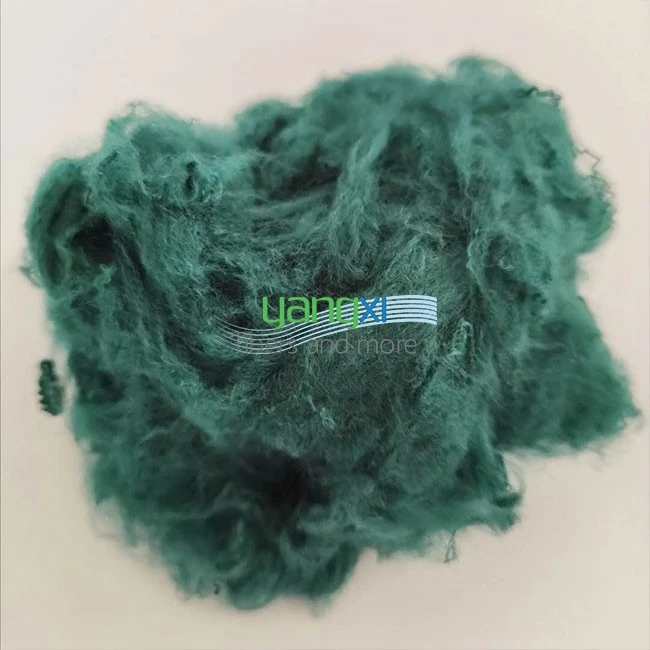

Hemp is often seen as a more environmentally friendly option because it's a natural plant that grows quickly and requires less water and pesticides compared to some other crops. However, the processing of hemp into fibres can still have an environmental impact, mainly due to the energy required. So, while both have their pros and cons in terms of the environment, polyester is making strides towards being more sustainable.
Softness and Comfort
When it comes to softness and comfort, the answer isn't as straightforward. Polyester fibres can be engineered to be very soft. Our Hollow Conjugated Fiber 15D HC White has a soft feel, which makes it suitable for applications where comfort is crucial, like in bedding or clothing linings.
Hemp fibres have a natural, rustic feel. Some people prefer this texture, while others may find it a bit rough initially. However, with proper processing, hemp can be made softer. It all comes down to personal preference here. If you're looking for a consistent, soft feel right out of the gate, polyester might be your best bet.
Versatility
Polyester is extremely versatile. It can be used in a wide range of applications, from fashion to industrial products. Whether it's making clothing, carpets, or filter media, polyester can be adapted to suit different needs. The ability to control its properties during the manufacturing process gives it an edge in terms of versatility.
Hemp is also versatile, but in a different way. It's commonly used in eco - friendly products, like organic clothing, bags, and paper. However, it may not be as adaptable as polyester in some high - tech or specialized applications.
Color Retention
Polyester fibres are known for their excellent color retention. Once dyed, the color stays vibrant for a long time, even after multiple washes and exposure to sunlight. This is a huge advantage in industries where appearance is important, such as fashion and home decor. Our dope - dyed polyester fibers, like the Dope Dyed Color Polyester Staple Fiber, offer long - lasting color.
Hemp fibres can also be dyed, but they may not hold the color as well as polyester. The natural texture of hemp can sometimes cause the dye to fade more quickly, especially if the product is exposed to harsh conditions.
Conclusion
In conclusion, both synthetic polyester fibres and hemp fibres have their own unique advantages and disadvantages. Polyester shines in terms of durability, moisture management, cost - effectiveness, color retention, and versatility. While hemp has its place in the market, especially for those looking for a natural and more environmentally friendly option in certain applications.
If you're in the market for high - quality synthetic polyester fibres, we've got you covered. Our range of products, including Dope Dyed Color Polyester Staple Fiber, 6D GRS Regenerated Polyester Staple Fiber, Sustainable Polyester Fiber, Polyester Fiber For Automotive Non - wovens, and Hollow Conjugated Fiber 15D HC White, offer great performance and value. If you're interested in learning more or starting a purchase negotiation, don't hesitate to reach out. Let's work together to find the perfect fibre solution for your needs.
References
- "Performance Comparison of Natural and Synthetic Fibers" - Textile Research Journal
- "Environmental Impact of Polyester and Hemp Production" - Journal of Sustainable Materials
- "Advances in Polyester Fiber Technology" - International Journal of Fibre Science and Technology