

How do synthetic polyester fibres perform in outdoor clothing?
Jul 17, 2026
Synthetic polyester fibres have become a cornerstone in the outdoor clothing industry, revolutionizing the way we approach outdoor activities. As a leading supplier of Fibres Synthetic Polyester, I've witnessed firsthand the remarkable performance of these fibres in various outdoor settings. In this blog post, I'll delve into the key aspects that make synthetic polyester fibres an ideal choice for outdoor clothing, exploring their durability, moisture management, insulation properties, and more.
Durability: Withstanding the Elements
One of the primary advantages of synthetic polyester fibres in outdoor clothing is their exceptional durability. Outdoor activities often subject clothing to rough handling, abrasion, and exposure to harsh environmental conditions. Polyester fibres are known for their high tensile strength, which means they can resist tearing and stretching even under significant stress. This makes outdoor clothing made from polyester fibres highly resistant to wear and tear, ensuring that it lasts for many seasons of use.
For example, hiking pants and jackets made with polyester blends can withstand the rigors of rough terrain, including brushing against rocks, branches, and vegetation. The fibres' resistance to abrasion helps prevent holes and fraying, maintaining the integrity of the clothing over time. Additionally, polyester is resistant to many chemicals, including those found in outdoor environments such as pesticides, fertilizers, and pollutants. This makes it suitable for use in areas where clothing may come into contact with these substances.
Moisture Management: Keeping You Dry and Comfortable
Effective moisture management is crucial for outdoor clothing, as it helps regulate body temperature and prevent discomfort caused by sweat. Synthetic polyester fibres excel in this area due to their hydrophobic nature, meaning they repel water rather than absorb it. When you sweat, polyester fibres wick the moisture away from your skin and transfer it to the outer surface of the fabric, where it can evaporate more quickly.
This process, known as wicking, helps keep your skin dry and reduces the risk of hypothermia in cold weather or heat exhaustion in warm weather. For instance, polyester base layers are popular among outdoor enthusiasts because they can keep you dry and comfortable during intense physical activities such as running, cycling, or skiing. The quick-drying properties of polyester also make it ideal for use in wet conditions, as it can dry rapidly after getting wet, allowing you to stay warm and comfortable.
Insulation: Trapping Heat in Cold Conditions
In cold outdoor environments, insulation is essential to keep the body warm. Synthetic polyester fibres can provide excellent insulation, especially when used in combination with other materials. Polyester insulation works by trapping air pockets within the fibres, which act as a barrier to heat transfer. This helps to retain body heat and keep you warm in cold conditions.
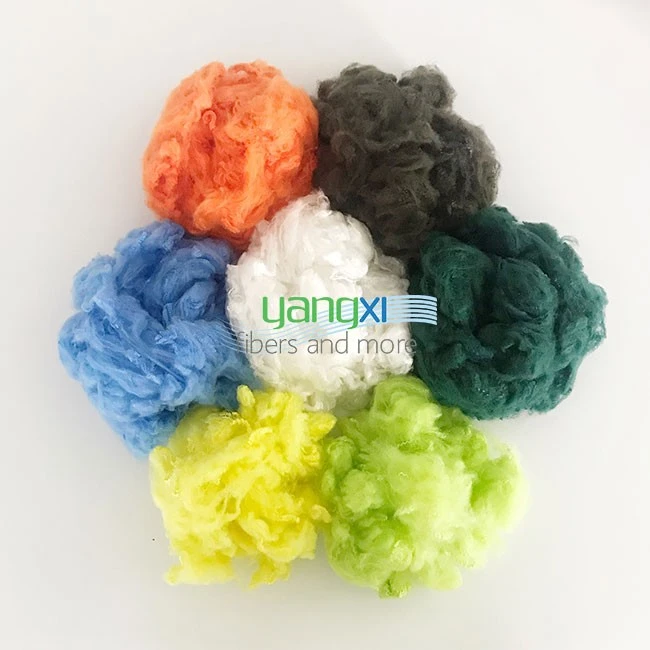
There are different types of polyester insulation available, each with its own unique properties. Some polyester insulations are designed to be lightweight and compressible, making them ideal for use in backpacking and other activities where weight and space are at a premium. Others are more heavy-duty and provide greater warmth, making them suitable for use in extreme cold conditions. For example, 6D GRS Regenerated Polyester Staple Fiber is a high-quality recycled polyester insulation that offers excellent warmth and durability.

Breathability: Allowing Airflow
While insulation is important in cold weather, breathability is equally crucial to prevent overheating and discomfort. Synthetic polyester fibres can be designed to be breathable, allowing air to circulate through the fabric and prevent the buildup of moisture and heat. This is achieved through the use of specialized manufacturing techniques and fabric constructions.
For example, some polyester fabrics have a porous structure that allows air to pass through easily, while others use ventilation panels or mesh inserts to enhance breathability. Additionally, polyester can be blended with other breathable fibres such as cotton or bamboo to further improve its breathability. Breathable outdoor clothing made from polyester fibres helps to keep you cool and comfortable during strenuous activities, even in warm weather.
UV Resistance: Protecting Against the Sun
Outdoor activities often involve exposure to the sun's harmful ultraviolet (UV) rays, which can cause skin damage and increase the risk of skin cancer. Synthetic polyester fibres can provide some degree of UV resistance, helping to protect your skin from the sun's rays. Polyester fabrics can be treated with UV-blocking agents during the manufacturing process to enhance their UV protection properties.
The level of UV protection provided by polyester fabrics can vary depending on the type of treatment and the fabric construction. However, in general, polyester fabrics can offer a good level of protection against UV rays, especially when compared to natural fibres such as cotton. Wearing outdoor clothing made from polyester fibres can help reduce your risk of sunburn and other sun-related skin problems.
Ease of Care: Low Maintenance
Another advantage of synthetic polyester fibres in outdoor clothing is their ease of care. Polyester is a low-maintenance fabric that is easy to clean and dry. It is resistant to wrinkles, which means that outdoor clothing made from polyester fibres can be packed and transported without worrying about it getting creased.
Polyester can be machine-washed and dried at high temperatures, making it convenient for outdoor enthusiasts who are often on the go. Additionally, polyester is less likely to shrink or stretch than natural fibres, ensuring that your outdoor clothing retains its shape and fit over time. The durability and low-maintenance nature of polyester fibres make them a practical choice for outdoor clothing.
Environmental Considerations
In recent years, there has been a growing concern about the environmental impact of synthetic materials, including polyester. However, the polyester industry has made significant progress in developing more sustainable and eco-friendly production methods. As a supplier of Fibres Synthetic Polyester, we are committed to providing our customers with high-quality, sustainable polyester fibres.
One of the ways we are addressing environmental concerns is by using recycled polyester in our products. Polyester Staple Fibre From Pet Bottles is a popular choice for outdoor clothing manufacturers because it helps reduce the amount of plastic waste in the environment. By recycling PET bottles into polyester fibres, we can conserve natural resources and reduce energy consumption.
In addition to recycled polyester, we also offer Eco-friendly Polyester Fiber For Acoustic Insulation and other sustainable polyester products. These products are designed to meet the highest environmental standards while still providing excellent performance in outdoor applications.
Applications in Outdoor Clothing
Synthetic polyester fibres are used in a wide range of outdoor clothing applications, including base layers, mid-layers, outerwear, and accessories. Here are some examples of how polyester fibres are used in different types of outdoor clothing:
- Base Layers: Polyester base layers are designed to be worn next to the skin to wick away sweat and keep you dry. They are often made from lightweight, breathable polyester fabrics that provide excellent moisture management properties.
- Mid-Layers: Polyester mid-layers are used to provide insulation and warmth in cold weather. They can be made from thick, fluffy polyester insulation materials or from lightweight, breathable polyester fabrics that are designed to trap air pockets.
- Outerwear: Polyester outerwear, such as jackets and pants, is designed to protect you from the elements. It can be made from waterproof, windproof, and breathable polyester fabrics that provide excellent protection against rain, snow, and wind.
- Accessories: Polyester fibres are also used in a variety of outdoor accessories, such as hats, gloves, and socks. These accessories are often made from lightweight, breathable polyester fabrics that provide excellent moisture management properties.
Conclusion
Synthetic polyester fibres offer a wide range of benefits for outdoor clothing, including durability, moisture management, insulation, breathability, UV resistance, and ease of care. As a leading supplier of Fibres Synthetic Polyester, we are committed to providing our customers with high-quality, sustainable polyester fibres that meet the needs of the outdoor clothing industry.
If you are interested in learning more about our products or would like to discuss your specific requirements, please feel free to contact us. We would be happy to help you find the right polyester fibres for your outdoor clothing applications. Whether you are a manufacturer looking to source high-quality polyester fibres or an outdoor enthusiast looking for the best clothing for your adventures, we are here to support you.
References
- "Textile Science: Synthetic Fibers" by Mary M. Humphries and Susan V. Jaggs
- "Outdoor Gear: Materials and Technology" by Chris Townsend
- Technical literature from leading polyester fibre manufacturers.