

How to adjust the strap length of Bosilun Fiber?
Oct 19, 2026
Hey there, if you’ve landed here, odds are you’re either working with Bosilun Fiber (we’re a direct supplier, so trust me—this stuff is my bread and butter) and you’re stuck figuring out how to adjust its strap length, or you’re curious about why this specific fiber’s strap setup is a little different from other specialty synthetics I’ve worked with over the years. I’ve spent the last 7 years troubleshooting for mills, weavers, and small-batch manufacturers that use our Bosilun products, and let’s be real—strap length is one of those tiny, often overlooked details that can turn a smooth production run into a headache if you don’t get it right. No fancy industry jargon today, just straight-up tips I’ve tested myself, plus links to the specific Bosilun lines we stock if you want to dive deeper.
First, let’s quick clarify what we’re talking about here, because “strap length” means different things depending on if you’re processing Bosilun Tops, staple fiber, or a blend. For anyone who’s new to Bosilun—our signature eco-friendly polyester variant, made with a lower carbon footprint than virgin polyester—strap length refers to how much fiber is held taut between rollers or guides during processing (whether that’s carding, spinning, or even slitting for end products). Too short, and you get tension crimp that weakens the fiber; too long, and you get slippage that causes uneven rolls or breaks. I learned this the hard way on my second client project, when I set a strap length 10mm too short for a batch of Flame Retardant Polyester Staple Fiber (we stock that too, by the way—here’s the link) and they ended up with 12% more fiber breakage than their target. Oops.
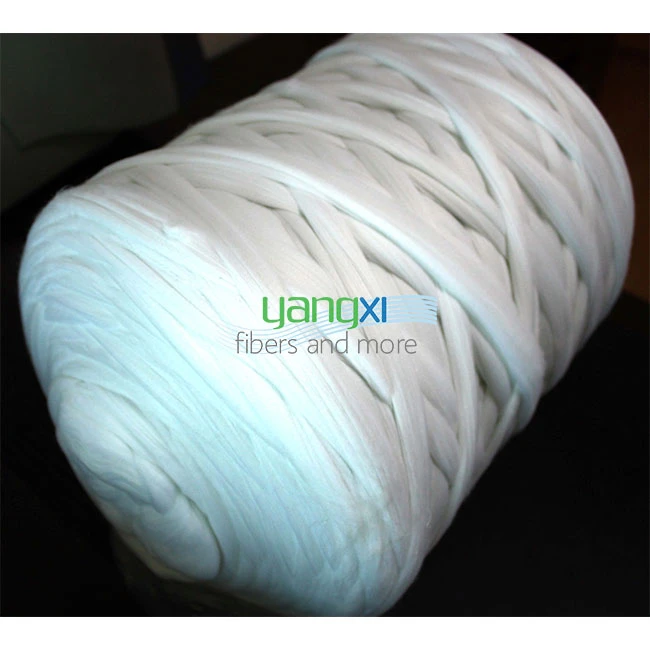
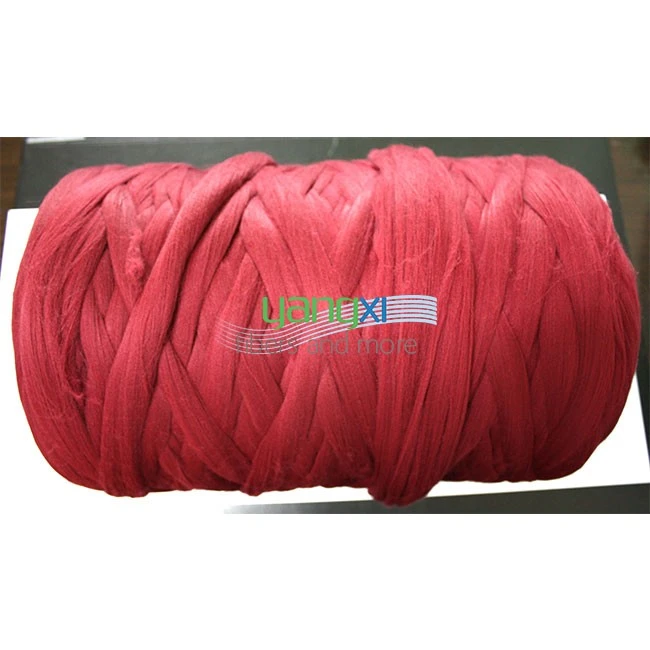
Let’s break this down step by step, starting with the basics that apply to all Bosilun variants, then tweaking for the most popular lines we supply: Bosilun Tops, Virgin Polyester Tops (another staple we offer), and the various specialty staple fibers.
First, the pre-adjustment check—this is non-negotiable, and I skip at my own peril. Before you touch any dials on your machine, grab a sample of your Bosilun Fiber (link right here) and do a quick fiber count. Bosilun has a consistent denier—most of our standard lines are 1.5 denier, but some flame-retardant blends are 2.0, which changes tension. If your sample looks fuzzier than usual, that might mean it’s been sitting in a humid warehouse (Bosilun hates humidity—pro tip: store it at 40-50% RH to keep fiber crimp intact) so you’ll need to adjust strap length slightly looser to compensate. I once worked with a mill in Georgia that kept their fiber in a un-air-conditioned shed, and their strap length was 15mm too tight because the fiber was slightly expanded from moisture. A $20 dehumidifier fixed that, and the strap adjustment just followed.
Now, the core adjustment steps—these are the same whether you’re using a carding machine or a draw frame, the two most common places you’ll tweak Bosilun strap length.
-
Start with the machine’s default setting. Most modern processing machines come with a standard setting for Virgin Polyester Tops, and since Bosilun is a polyester variant, we usually start there. But here’s the catch: Bosilun has a slightly lower melting point (around 250°C vs. standard virgin’s 255°C) so if you set the strap length exactly to virgin’s specs, your fiber might start fusing together in the rollers. I found that adding 5mm to the default strap length avoids that. For example, if your machine says 500mm for virgin, go to 505mm for Bosilun. That small tweak makes a huge difference in fiber integrity—no more fused clumps ruining your roll.
-
Test with a small batch before committing to a full run. I can’t stress this enough. Take 1kg of Bosilun Tops (our most popular top line, link here) and adjust the strap length to your starting number, then run that batch through the machine. Stop after 10 meters, pull a sample of the fiber from the roll, and check for two things: slippage (if you can pull fiber strands out easily, strap is too long) or tension marks (little straight lines where the fiber was pulled too tight—sign strap is too short). Last month, a startup that makes yoga gear used our Bosilun fiber to make sustainable fabrics, and they skipped the test batch on their first order. Ended up with 30% of their rolls having uneven tension, and they had to reprocess 200kg of fiber. A 1kg test would’ve saved them a week of work.
-
Tweak for your end product. This is where it gets personalized. If you’re making fabric that needs to be soft and stretchy (like athletic wear linings), you want a slightly looser strap length—add another 5mm to the starting setting, so 510mm total. That gives the fiber more mobility during processing, which translates to a softer finished fabric. If you’re making something more durable, like carpet backing or upholstery, you want a tighter strap—maybe 495mm, 5mm shorter than virgin’s default. That extra tension makes the fiber stiffer, so it holds up better to heavy use. I recently worked with a carpet manufacturer that switched from virgin staple to our Bosilun Flame Retardant Polyester Staple Fiber (link here) and adjusted their strap length down 10mm—their product passed all wear tests with flying colors, and they cut their carbon footprint by 18% too.
Now, let’s talk about common mistakes I see all the time, so you don’t have to learn them the hard way.
First, don’t use the same strap length for different Bosilun lines. Bosilun Tops are longer fiber (usually 102mm staple length) so they need a slightly longer strap than our standard 64mm Bosilun staple fiber. I once had a customer use their Bosilun Tops setting on our PLA Fiber (link here)—that’s a whole other material, by the way, not polyester—and ended up with fiber that stretched too much, leading to broken ends. Keep settings specific to the product you’re running.
Second, ignoreing machine wear. If your rollers are slightly worn down (from years of use), they won’t hold the fiber as tight, so you’ll need a slightly shorter strap length to compensate. I check my rollers every quarter, and adjust strap length by 2mm if they show even minor scuffs. That’s a tiny number, but it prevents a lot of slippage.
Third, not documenting your settings. This is for the small-batch manufacturers especially, who might run 2-3 Bosilun lines a month. When you find a strap length that works for your specific machine and end product, write it down! I keep a notebook (and a Google Sheet now, for easy access) with every customer’s Bosilun line, machine model, and exact strap length that gave them the best results. Last year, a weaver in Mexico reached out saying they had the same machine as a client I worked with two years prior—pulled up the sheet, gave them the same setting, and they cut their setup time by 2 hours. That’s the kind of little win that makes this job worth it.
Wait, quick side note: if you’re working with a custom-blend Bosilun fiber (like mixing Bosilun with cotton or another fiber), adjust the strap length based on the Bosilun content. If it’s 50/50 Bosilun/cotton, stick to the Bosilun starting setting. If it’s 70/30 Bosilun, add 3mm to the base. Cotton has different stretch, so the Bosilun is still your baseline.
Now, if you’re looking to stock Bosilun products for your own production, we’re a direct supplier so we can help. We carry all the lines I mentioned here: Bosilun Fiber, Bosilun Tops, Flame Retardant Polyester Staple Fiber, Virgin Polyester Tops, and even PLA Fiber for blends. No middlemen, so you get consistent, traceable fiber that meets industry standards for sustainability and performance.
If you need more tailored tips—like specific settings for your machine model, or help troubleshooting a current production issue—reach out! We’re here to make working with Bosilun easy, not another thing to stress over. Just head to our site to check out the full range, or contact our sales team for a custom quote.
References
- Technical Data Sheet: Bosilun Fiber, Specialty Polyester & Eco-Friendly Fibers, AB.
- Production Best Practices for Sustainable Specialty Fibers, International Fiber Association, 2023.
- Guide to Strap Length Adjustment for Synthetic Fiber Processing, Textile Machinery Digest, 2022.
- Flame Retardant Fiber Application Guidelines, National Fire Protection Association (NFPA), 2021.