

What is the chemical resistance of RPET staple fiber?
Jun 20, 2026
Hey there! As a supplier of RPET staple fiber, I often get asked about its chemical resistance. In this blog post, I'll break down what chemical resistance means for RPET staple fiber, why it matters, and how it can impact your projects.
What is RPET Staple Fiber?
First off, let's quickly go over what RPET staple fiber is. RPET stands for recycled polyethylene terephthalate. It's made from recycled PET bottles, which are those plastic bottles we use for water, soda, and other beverages. By recycling these bottles, we're not only reducing waste but also creating a useful material.
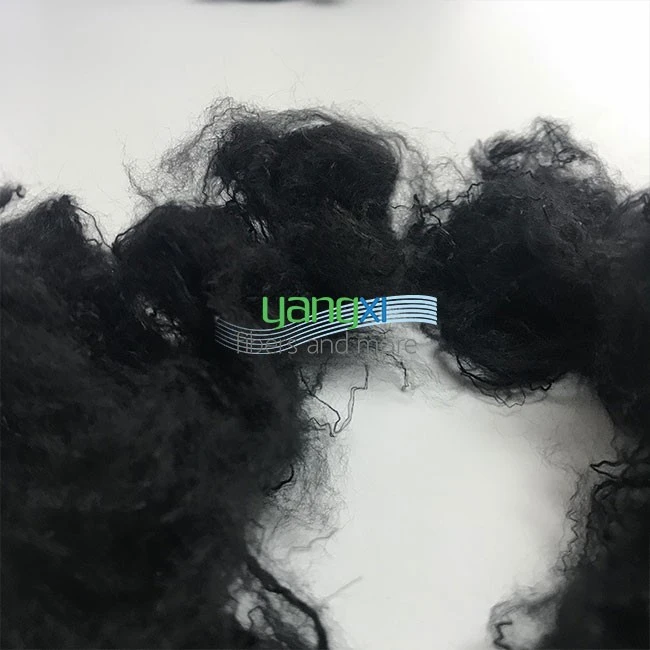
Our company offers a variety of RPET staple fibers, like 100% Recycled Polyester Fiber, Pet Bottles Recycled Polyester Staple Fiber, and Black Recycled Polyester Staple Fiber. These fibers are used in a bunch of different industries, from textiles to non - woven products.
Understanding Chemical Resistance
Chemical resistance refers to a material's ability to withstand the effects of various chemicals without significant degradation. When it comes to RPET staple fiber, chemical resistance is super important. It determines how well the fiber will hold up in different environments where it might come into contact with chemicals.
Factors Affecting Chemical Resistance
There are a few factors that can affect the chemical resistance of RPET staple fiber:
- Chemical Type: Different chemicals have different effects on the fiber. For example, acids and alkalis can react with the fiber in different ways. Strong acids may cause the fiber to break down or lose its strength, while alkalis might also have a corrosive effect.
- Concentration: The concentration of the chemical matters too. A highly concentrated chemical is more likely to cause damage to the fiber than a diluted one. For instance, a strong solution of hydrochloric acid will be more harmful to the RPET staple fiber than a weak one.
- Exposure Time: The longer the fiber is exposed to a chemical, the more likely it is to be affected. Even a relatively mild chemical can cause problems if the fiber is in contact with it for an extended period.
Chemical Resistance of RPET Staple Fiber
RPET staple fiber generally has good chemical resistance to a lot of common chemicals. Here's a breakdown of how it fares against different types of chemicals:
Acids
RPET staple fiber has decent resistance to weak acids. For example, acetic acid, which is found in vinegar, usually doesn't cause significant damage to the fiber. However, strong acids like sulfuric acid or nitric acid can be a problem. These acids can break down the polyester structure of the fiber, leading to a loss of strength and integrity.
Bases
When it comes to bases, RPET staple fiber has some resistance to mild alkalis. But strong alkalis, such as sodium hydroxide, can attack the fiber. Over time, exposure to strong alkalis can cause the fiber to become brittle and lose its mechanical properties.
Organic Solvents
RPET staple fiber shows varying degrees of resistance to organic solvents. Some solvents, like ethanol, have little effect on the fiber. However, solvents like acetone can cause the fiber to swell or dissolve, depending on the exposure time and concentration.
Why Chemical Resistance Matters
The chemical resistance of RPET staple fiber is crucial for several reasons:
- Product Durability: If the fiber is used in products that will be exposed to chemicals, good chemical resistance ensures that the product will last longer. For example, if RPET staple fiber is used in industrial filters that come into contact with chemicals, its chemical resistance will determine how well the filter performs over time.
- Safety: In applications where the fiber is in contact with chemicals, good chemical resistance helps to prevent the release of harmful substances. This is especially important in industries like food packaging or medical textiles.
- Cost - Effectiveness: A fiber with good chemical resistance means that products made from it won't need to be replaced as often. This can save money in the long run for manufacturers and end - users.
Applications and Chemical Resistance
Let's take a look at some common applications of RPET staple fiber and how chemical resistance plays a role:
Textiles
In the textile industry, RPET staple fiber is used to make clothing, home textiles, and more. In clothing, the fiber may come into contact with body sweat, which contains salts and acids. Good chemical resistance ensures that the fabric doesn't degrade quickly and maintains its quality over time.
Non - Woven Products
Non - woven products like geotextiles, filtration media, and hygiene products also use RPET staple fiber. Geotextiles are often exposed to soil chemicals and water, so chemical resistance is essential to prevent degradation. Filtration media need to withstand the chemicals in the substances they are filtering, and hygiene products should be resistant to body fluids and cleaning agents.
Testing Chemical Resistance
To ensure the quality of our RPET staple fiber, we conduct various tests to measure its chemical resistance. These tests involve exposing the fiber to different chemicals under controlled conditions and then evaluating its properties, such as strength, color, and appearance.

We use standard testing methods, which allow us to compare the performance of our fiber with industry standards. This way, we can guarantee that our customers are getting a product that meets their requirements.
Conclusion
In conclusion, the chemical resistance of RPET staple fiber is an important characteristic that affects its performance in various applications. Our RPET staple fiber offers good resistance to many common chemicals, but it's important to consider the specific chemicals and conditions in your application.
If you're interested in using RPET staple fiber for your project, we'd love to talk to you. Whether you need 100% Recycled Polyester Fiber, Pet Bottles Recycled Polyester Staple Fiber, or Black Recycled Polyester Staple Fiber, we can provide you with high - quality products. Contact us to discuss your needs and start a procurement negotiation.
References
- ASTM International. (20XX). Standard test methods for evaluating the chemical resistance of polymers.
- Textile Research Journal. (20XX). Studies on the chemical resistance of recycled polyester fibers.