

What is the role of consumers' awareness in the growth of sustainable textile fibers market?
Sep 18, 2026
In recent years, the pursuit of sustainability has become an overarching goal across various industries, and the textile sector is no exception. The market for sustainable textile fibers has witnessed remarkable growth, driven by a confluence of factors. Among these, consumers' awareness plays a pivotal and multifaceted role. As a supplier of Sustainable Textile Fibers, I have had the privilege of witnessing firsthand how consumers' evolving consciousness has shaped and propelled this market forward.
The Emergence of Sustainable Textile Fibers
The textile industry has long been associated with significant environmental and social challenges. Traditional textile production often involves the use of large amounts of water, energy, and chemicals, contributing to pollution, resource depletion, and poor working conditions in some regions. In response to these issues, the market for sustainable textile fibers has emerged as a more eco - friendly and socially responsible alternative.
Sustainable textile fibers encompass a wide range of materials, including organic cotton, bamboo, hemp, recycled polyester, and fibers enhanced with innovative technologies like CiCLO Fibers. These fibers are sourced, produced, and processed in a way that minimizes their environmental impact and promotes social well - being. For instance, organic cotton is grown without the use of synthetic pesticides and fertilizers, reducing soil and water pollution. Recycled polyester is made from post - consumer plastic bottles, diverting waste from landfills and conserving resources.
The Influence of Consumers' Awareness
Driving Demand
One of the most significant ways consumers' awareness impacts the sustainable textile fibers market is by driving demand. As consumers become more informed about the environmental and social consequences of their purchasing decisions, they are increasingly seeking out products made from sustainable materials. They are willing to pay a premium for textiles that are eco - friendly, cruelty - free, and produced under fair labor conditions.
This shift in consumer preference has forced fashion brands and retailers to adjust their product offerings. Many well - known fashion labels now have dedicated sustainable collections, featuring clothing and accessories made from Sustainable Textile Fibers. For example, a growing number of consumers are choosing to buy organic cotton T - shirts over their conventionally - grown counterparts, simply because they are aware of the environmental benefits. This increased demand has created a larger market for sustainable textile fibers, encouraging suppliers like myself to expand production and invest in new technologies.
Encouraging Innovation
Consumers' awareness also acts as a catalyst for innovation in the sustainable textile fibers market. As consumers demand more sustainable and high - performing products, fiber suppliers are constantly looking for new ways to improve the quality and functionality of their offerings. They are investing in research and development to create new types of sustainable fibers with enhanced properties, such as better moisture - wicking, durability, and stretch.
For example, CiCLO Nylon is a revolutionary fiber that combines the high performance of traditional nylon with enhanced biodegradability. This innovation was driven in part by consumer demand for more sustainable synthetic fibers. By pushing for more sustainable options, consumers are inspiring the industry to think outside the box and develop solutions that were previously unimaginable.
Promoting Transparency
Consumers who are aware of sustainability issues are also more likely to demand transparency from fashion brands and fiber suppliers. They want to know where their products come from, how they are made, and what environmental and social impacts they have. This has led to an increase in the number of brands and suppliers providing detailed information about their supply chains, manufacturing processes, and sustainability certifications.
As a supplier of Sustainable Textile Fibers, I understand the importance of transparency. I provide my customers with information about the sourcing of raw materials, the production process, and the environmental benefits of our fibers. This not only helps build trust with consumers but also encourages other players in the industry to be more open and accountable.
Shaping Industry Standards
The growing awareness among consumers has also played a role in shaping industry standards for sustainable textile fibers. As consumers become more vocal about their expectations, industry associations and regulatory bodies are under pressure to develop and enforce stricter sustainability standards.
For example, there are now certifications such as the Global Organic Textile Standard (GOTS) and the Recycled Claim Standard (RCS) that set guidelines for the production and labeling of sustainable textile products. These standards help consumers make more informed choices and ensure that the products they buy actually meet certain sustainability criteria. By demanding higher standards, consumers are contributing to the overall improvement of the sustainable textile fibers market.
Challenges and Opportunities for Suppliers
Challenges
While consumers' awareness has been largely beneficial for the growth of the sustainable textile fibers market, it also presents some challenges for suppliers. One of the main challenges is the cost of production. Sustainable textile fibers often require more expensive raw materials and production processes, which can make them less competitive in terms of price compared to traditional fibers.
Another challenge is the lack of consumer understanding in some cases. Despite the growing awareness, there is still a significant portion of consumers who may not fully understand the difference between various types of sustainable fibers or the true value of these products. This can make it difficult for suppliers to communicate the benefits effectively and justify the higher price points.
Opportunities
On the other hand, the increasing consumers' awareness also brings numerous opportunities for suppliers. As the demand for sustainable textile fibers continues to grow, there is a vast potential for market expansion. Suppliers can differentiate themselves by offering high - quality, innovative, and sustainable products.

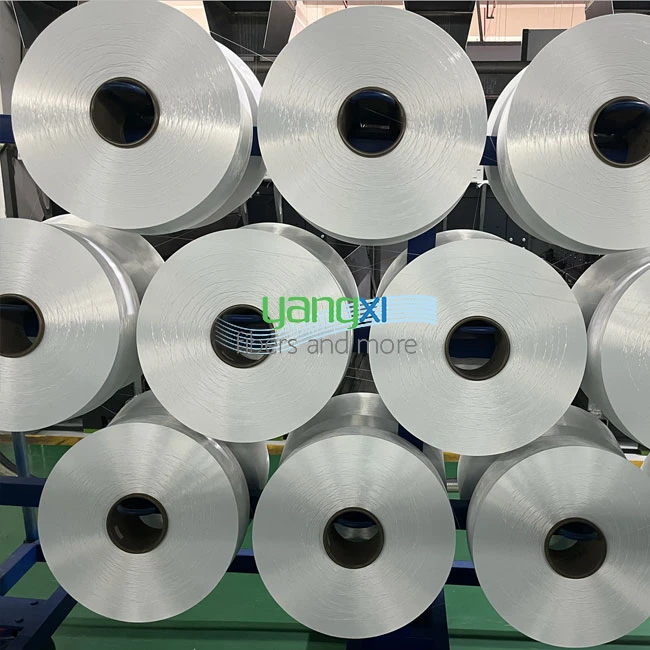
For example, by focusing on the development of Sustainable Yarns and Fibers with unique properties, suppliers can target niche markets and command higher prices. Additionally, suppliers can build long - term relationships with brands and retailers that are committed to sustainability, creating a stable customer base and ensuring a steady stream of orders.
The Role of Education and Communication
To further leverage consumers' awareness for the growth of the sustainable textile fibers market, education and communication are essential. Suppliers, brands, and industry organizations need to invest in educating consumers about the importance of sustainability in the textile industry and the benefits of choosing sustainable textile fibers.
This can be done through various channels, such as social media, brand websites, and in - store campaigns. For example, by sharing stories about the sourcing of raw materials, the manufacturing process, and the environmental impact of sustainable textile fibers, suppliers can engage consumers on a deeper level and build emotional connections.
Moreover, suppliers can communicate the technical properties and performance benefits of sustainable fibers to consumers. Many consumers may be hesitant to switch from traditional fibers to sustainable ones because they are concerned about the quality. By providing clear and accurate information about the functionality of sustainable fibers, suppliers can overcome these concerns and encourage more consumers to make the switch.
Conclusion and Call to Action
In conclusion, consumers' awareness plays a crucial role in the growth of the sustainable textile fibers market. It drives demand, encourages innovation, promotes transparency, and shapes industry standards. As a supplier of Sustainable Textile Fibers, I am excited about the future of this market and the potential it holds for a more sustainable and responsible textile industry.
If you are a fashion brand, retailer, or any other business looking to source high - quality Sustainable Textile Fibers for your products, I invite you to reach out for a procurement discussion. Together, we can contribute to the growth of the sustainable textile fibers market and create a more sustainable future for the textile industry.
References
- Joshi, S., & Rahman, M. M. (2015). Consumer perception and buying behavior of organic cotton apparel: A literature review. Journal of Cleaner Production, 107, 20 - 28.
- Niinimäki, K., Sievänen, K., & Hassi, L. (2018). Reviewing the environmental sustainability of circular economy business models in the fashion industry. Journal of Industrial and Production Engineering, 35(3), 146 - 160.
- Quarshie, S. I., Salmi, H., & Acott, T. (2016). Sustainable alternatives, challenges and commitment to the variability of textile and clothing consumption and production. Journal of Cleaner Production, 137, 1140 - 1152.