

What temperature should be used to iron synthetic polyester fibres?
Aug 13, 2026
Hey there! As a supplier of Fibres Synthetic Polyester, I often get asked about the best temperature to iron synthetic polyester fibres. It's a crucial question, especially for those who want to keep their polyester items looking sharp and wrinkle - free. So, let's dive right in and figure out what temperature is ideal for ironing these fibres.
Understanding Synthetic Polyester Fibres
First off, we need to know a bit about synthetic polyester fibres. Polyester is a man - made material that's known for its durability, wrinkle - resistance, and easy - care properties. It's used in a wide range of products, from clothing to home furnishings and even industrial applications.
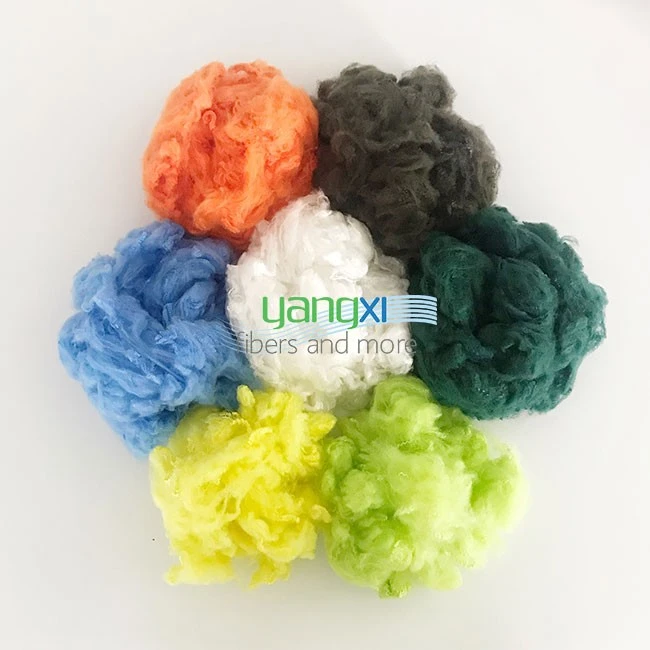
We offer a variety of polyester products, like the 6D GRS Regenerated Polyester Staple Fiber, Polyester Fiber For Automotive Non - wovens, Polyester Staple Fibre From Pet Bottles, Regenerated Polyester Staple Fiber For Geotextiles, and Eco - friendly Polyester Fiber For Acoustic Insulation. Each of these products has unique characteristics, but they all share the basic properties of polyester.
Why Temperature Matters When Ironing Polyester
Polyester has a relatively low melting point compared to some natural fibres like cotton or linen. If you use too high a temperature when ironing, you risk melting the fibres. This can result in shiny patches, distorted fabric, or even holes in your garment or item. On the other hand, if the temperature is too low, the wrinkles won't come out, and you'll end up spending more time and effort trying to get the item to look right.
Ideal Ironing Temperatures for Synthetic Polyester Fibres
The general rule of thumb is to iron polyester at a low to medium temperature. Most polyester items can be safely ironed at a temperature between 212°F (100°C) and 275°F (135°C).

If you're not sure about the exact temperature, start with the lowest setting on your iron. You can always increase it gradually if needed. It's better to be cautious and take your time than to damage your polyester item.
Some modern irons have a "polyester" setting. This is a great option as it's pre - calibrated to a suitable temperature for ironing polyester. If your iron has this setting, use it. It takes the guesswork out of the equation.
Tips for Ironing Polyester
- Use a Pressing Cloth: Even when using the right temperature, it's a good idea to place a thin pressing cloth, like a cotton handkerchief, between the iron and the polyester fabric. This adds an extra layer of protection and helps prevent direct contact between the hot iron and the polyester, reducing the risk of melting.
- Steam Ironing: You can use steam when ironing polyester. Steam can help to relax the fibres and make it easier to remove wrinkles. However, be careful not to over - steam, as too much moisture can leave water spots on the fabric.
- Iron on the Reverse Side: If possible, iron your polyester item on the reverse side. This can also protect the front of the fabric from any potential damage caused by the iron.
Special Considerations for Different Polyester Products
- Clothing: When ironing polyester clothing, pay attention to the seams and hems. These areas can sometimes be more prone to wrinkling. Also, be careful around any decorative elements like buttons or zippers, as they may not be able to withstand the heat of the iron.
- Home Furnishings: For polyester curtains, tablecloths, or bedding, you may need to iron larger areas. Make sure your ironing board is big enough and that you have enough space to move the iron smoothly.
- Industrial Applications: In industrial settings, the ironing process may be more automated. But the same temperature principles apply. Workers need to be trained to use the right temperature to avoid damaging the polyester fibres, especially in products where precision and quality are crucial.
Conclusion and Call to Action
So, there you have it! The ideal temperature for ironing synthetic polyester fibres is between 212°F (100°C) and 275°F (135°C). By following these guidelines and tips, you can keep your polyester items looking their best for a long time.
If you're in the market for high - quality synthetic polyester fibres, we're here to help. Whether you need 6D GRS Regenerated Polyester Staple Fiber for non - wovens, Polyester Fiber For Automotive Non - wovens, or any of our other products, we've got you covered. Reach out to start a discussion about your specific needs and how we can provide the right solution for you.
References
- "Textile Science" by John T. Johnson
- "The Handbook of Synthetic Fibres" by Frank W. Billmeyer