

Which countries are the major producers of synthetic polyester fibres?
Oct 16, 2026
Hey everyone, if you’ve ever worked with synthetic fibres—whether you’re making non-wovens, geotextiles, or something totally different—you know polyester is basically the backbone of the industry. As a guy who’s been in the synthetic polyester fibre supply game for over a decade, I get asked all the same questions: Where does all this stuff even come from? Which countries are really calling the shots when it comes to producing synthetic polyester fibres that are actually reliable, sustainable, and fit for purpose? Let me break this down without all the jargon, because I know you just want the straight scoop to make your supply chain work better.

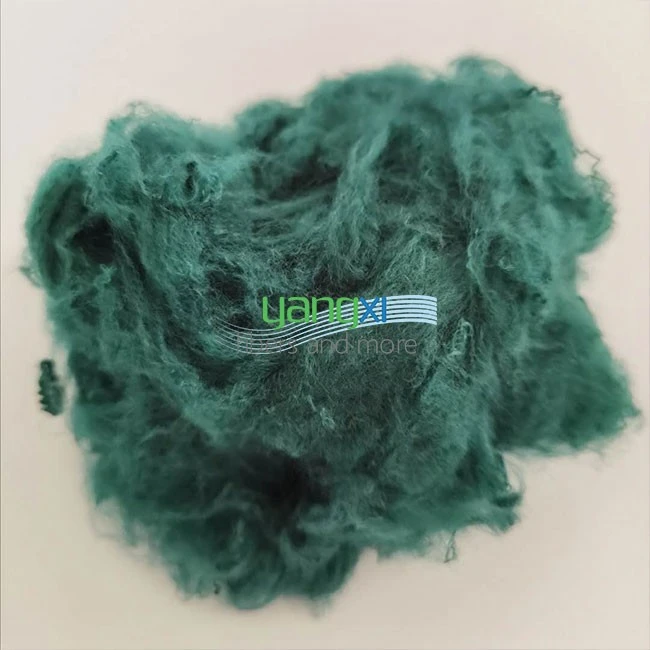
First off, let’s make sure we’re on the same page: synthetic polyester fibres (most commonly polyester staple fibre, or PSF) are made from petroleum-based products, but these days there’s a huge push for recycled versions too—think bottles, clothing scraps, even industrial waste turned into usable fibre. That’s where a lot of the innovation and production growth is happening right now, and it’s totally shifted which countries are the big players in the space.
When I started out back in the early 2010s, the top producers were pretty obvious. China was the undisputed king, hands down, and a lot of other Asian countries were right there with it. But the last 10 years have seen a huge shift—driving factors like global demand for cheaper, sustainable fibres, manufacturing moving to areas with better infrastructure, and more governments pushing for textile and fibre production within their borders (hello, post-pandemic supply chain reliability!). Let’s run through the major players now, no fluff.
China still leads the pack, no question. Last year, their PSF production hit over 45 million metric tons— that’s almost 60% of the global total, crazy right? Why? Well, they’ve got massive chemical manufacturing hubs, a huge network of factories that turn raw materials into everything from textiles to non-wovens, and they’ve poured billions into making their production more efficient. The cool part now is they’re not just pumping out basic polyester—they’re leading in sustainable polyester fibre production too. A lot of my recycled fibre orders these days come from Chinese plants that source plastic bottles and turn them into high-quality staple fibre. If you’re in the market for non-woven-specific stuff, they’ve got great options too, like specialised grades for everything from geotextiles to face masks.
Next up, India. India’s production has exploded over the last 5 years, growing at a rate of 8% annually, and they’re now the second-largest producer globally, cranking out around 8 million metric tons a year. What’s unique about India’s space is how focused they are on blended fibres and cost-effective production—they’ve got a huge domestic textile industry, so a lot of their polyester is used for clothing, but they’re ramping up their non-woven and recycled lines too. I’ve been working with Indian suppliers lately for orders of polyester fibre for non-woven stuff like geo-fabrics, and the quality is solid, plus their lead times are way better than a lot of places now. They’re also big on regenerated polyester staple fibre for geotextiles, which makes sense because India’s building a ton of infrastructure for flood control and road projects.
Then there’s Southeast Asia—countries like Indonesia, Vietnam, and Thailand are fast emerging as major players, collectively producing around 5 million metric tons a year. What’s driving their growth? Western brands and manufacturers are moving production out of China to avoid trade tariffs and reduce shipping times, so a lot of polyester fibre factories are popping up here. Indonesia’s the biggest of the trio, with production focused on both basic and recycled polyester. A lot of my clients who need 6D recycled polyester staple fibre for low-cost non-wovens often source from Indonesia because it’s cheap and meets global standards. Vietnam’s more into high-value specialty fibres, while Thailand balances both.
Moving West, the European Union is another key producer, churning out around 3 million metric tons a year. The big difference here is that almost all of their polyester is recycled—sustainability isn’t just a buzzword here, it’s a law. The EU’s Circular Economy Action Plan mandates that a percentage of all textile products use recycled fibres, so their production is hyper-focused on that. A lot of their output goes to high-end non-wovens, like those used in medical supplies or automotive interiors. If you’re looking for sustainable polyester fibre that meets strict EU environmental rules, that’s where you’ll find it. They’re also big on quality control, so if you need consistent, reliable fibre, Europe’s a solid bet.
North America—specifically the US and Mexico—produces around 2.5 million metric tons total. The US has been ramping up its domestic fibre production post-pandemic, because a lot of companies were sick of waiting on shipments from Asia. Their focus is heavily on recycled solid polyester staple fibre, since they have a huge domestic supply of plastic bottles (I mean, the US uses like 50 million plastic bottles a day, right? A lot of those get turned into fibre). Mexico is a great middle ground for North American buyers, since it’s close to the US—shipping times are days, not weeks. A lot of my clients in the US source their non-woven fibres from Mexico because it’s cheaper than domestic US production but way faster than importing from Asia.
Wait, let’s not sleep on smaller but fast-growing regions. Turkey produces around 1 million metric tons a year, acting as a bridge between Europe and Asia. They’re big on specialty and custom polyester fibres, plus their geographic location makes shipping to both Europe, Africa, and the Middle East super easy. And Brazil? They’ve been growing their production focused on agricultural and infrastructure-related fibres, like geotextiles for crop protection.
Now, why does this matter for you, whether you’re a fabric manufacturer, non-woven producer, or just someone in the market for synthetic polyester? Let’s be real—no one wants supply chain headaches, right? 2 years ago, we had shipping delays for 3 months, prices spiked 40%, and that messed up so many production timelines. Knowing which countries produce what type of fibre lets you tailor your sourcing to your needs.
Like, if you need bulk, low-cost fibre for things like packaging non-wovens or basic geotextiles, China and India are your go-to. They’ve got the scale to handle huge orders, and their production lines are set up for that. If sustainability is your top priority, EU and US producers are leading the way with recycled, eco-friendly options that meet global green standards. If you need something fast, or you’re in North America, Mexico and Southeast Asia are perfect—close, fast shipping, solid quality.
And here’s the thing I always tell clients: not all synthetic polyester is the same, even if it’s made in the same country. When I say I can hook you up with the right fibre, I’m not just talking about generic PSF. Let’s say you’re making non-woven wipes—you might need a softer, more absorbent fibre, so we can adjust the grade for that. If you’re making geotextiles that need to hold up to heavy loads, we can get you the right regenerated polyester staple fibre for geotextiles that’s strong and durable. And if you’re focused on your company’s carbon footprint, we can source 100% recycled fibre, cut down on your waste, and meet all your sustainability goals.
I’ve been in this long enough to know that a lot of suppliers will just dump you with whatever they have, but that’s not how I work. I’ve built relationships with factories across all these regions, so I can match your specific needs to the right producer. Whether you need 6D recycled polyester staple fibre for a new line of eco-friendly non-wovens, polyester fibre for non-woven medical supplies, or something totally custom, I’ve got connections that get you the right product, at a fair price, and when you need it.
Wait, let’s circle back to why production has shifted so much lately. Post-pandemic, every company is talking about supply chain resilience, right? Countries that used to only do low-cost mass production are now investing in better technology and quality control, so they can compete in higher-value markets. And the push for sustainability has changed everything—governments around the world are cracking down on plastic waste, so more and more fibre producers are switching to recycled materials, instead of just new petroleum-based ones. That’s why when I say sustainable polyester fibre is a thing now, it’s not just a trend—it’s a necessity for so many businesses.
Let me also bust a myth I hear all the time: people think all synthetic polyester is bad for the environment. Yeah, the old-school petroleum-based kind is, but recycled polyester is a total game-changer. Every ton of recycled PSF we produce saves about 5.5 tons of CO2, compared to making new fibre from petroleum. That’s huge for companies that are trying to hit their net-zero targets. I worked with a client last year who was launching a line of sustainable non-woven bags, and we sourced recycled solid polyester staple fibre for them that met all their B Corp requirements. They loved it, so did their customers, and it didn’t cost them a fortune.
So putting it all together: the major producers of synthetic polyester fibres are still led by China, but India, Southeast Asia, the EU, and North America are all big, growing players, each with their own strengths. The key to good sourcing isn’t just picking a country—it’s picking the right fibre for your specific use case, and finding a supplier who can navigate all the options for you. If you’re tired of unreliable shipments, variable quality, or just can’t find the right fibre that fits your budget and sustainability goals, hit me up. I can walk you through the different grades, help you pick what works for your project, and get you a quote that makes sense. No pressure, no salesy stuff—just straight up advice from someone who’s been in the game for years.
References:
- IndexBox. (2024). Global Synthetic Polyester Fibers Market Report.
- Textile World. (2023). "Sustainable Polyester Production Surges in Asia and Europe."
- European Chemical Industry Council (Cefic). (2024). Polyester Fiber Production and Sustainability Report.
- Indian Textile Journal. (2023). "India’s PSF Production Growth Outpaces Global Average."
- United States International Trade Commission (USITC). (2024). Synthetic Fiber Supply Chain Resilience Report.