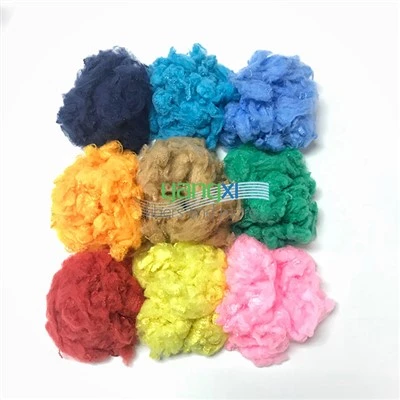

A Guide to Common Man-Made (Regenerated) Fabrics
Dec 22, 2025
Man-made fibers, also widely known as regenerated fibers, are crafted from natural polymers such as cellulose or protein found in nature. Through chemical processing and mechanical reshaping, these natural raw materials are transformed into high-performance textile fibers. Unlike purely synthetic fibers, they retain many of the breathable and comfortable characteristics of their biological origins.
Below are the most common man-made fabrics utilized in the modern textile industry:
1. Viscose Fabric (Rayon)
Viscose is the most traditional type of man-made fiber, produced by chemically treating natural cellulose.
- Characteristics: It boasts excellent moisture absorption and breathability, offering a soft hand-feel and a silky luster.
- Pros & Cons: While it feels like silk and is very comfortable for summer, it has relatively low strength and is prone to wrinkling and shrinking.
- Applications: Often referred to as "artificial cotton" or "artificial silk," it is widely used for summer apparel, linings, and home textiles.
2. Modal Fabric
Modal is an improved variety of viscose, typically sourced from beechwood pulp. It represents a significant upgrade in fiber technology.
- Characteristics: It is exceptionally soft, smooth, and more absorbent than standard viscose.
- Pros & Cons: It features high dry and wet strength, better wrinkle resistance, and superior elasticity. It is also highly regarded for its environmental performance.
- Applications: Primarily used for high-end underwear, pajamas, and premium activewear.
3. Cupro Fabric (Cuprammonium Rayon)
Cupro is made by dissolving cellulose in a solution of copper salts and ammonia.
- Characteristics: Known for its elegant, silk-like luster and incredibly soft touch. It has high breathability and moisture management properties.
- Pros & Cons: It is stronger than standard viscose, resists wrinkling better, and is biodegradable.
- Applications: Frequently found in high-end fashion, such as luxury blouses, dresses, and premium garment linings.
4. Acetate Fabric
Acetate is a regenerated fiber produced by the esterification of cellulose with acetic anhydride.
- Characteristics: It has a distinctive luster and a soft, supple drape that mimics high-end silk. It possesses excellent dyeability and light resistance.
- Pros & Cons: Its moisture absorption and breathability are lower than those of viscose, making it feel less "natural" against the skin in humid conditions.
- Applications: Used in formal evening wear, accessory linings, decorative fabrics, and even in the production of high-quality wigs.
5. Lyocell Fabric (Commonly known as Tencel™)
Lyocell is a cutting-edge, eco-friendly regenerated cellulose fiber produced through a specialized solvent spinning process using wood pulp.
- Characteristics: It combines the best of all worlds-the soft touch of silk, the breathability of linen, and the strength of synthetic fibers.
- Pros & Cons: It is highly durable, wear-resistant, and features exceptional environmental sustainability due to its closed-loop production process. It dyes easily and retains vibrant colors.
- Applications: Widely used in premium fashion, sportswear, intimate apparel, and high-quality home bedding.
Summary Table: Comparison at a Glance
| Fabric Type | Primary Source | Key Advantage | Best Application |
| Viscose | Wood/Cotton Linters | Silky feel, affordable | Summer casual wear |
| Modal | Beechwood Pulp | High softness & elasticity | Intimate apparel |
| Cupro | Cotton Linters | Bemberg silk effect | Luxury linings & dresses |
| Acetate | Cellulose Acetate | Elegant luster, anti-fading | Evening gowns, linings |
| Lyocell | Wood Pulp | Eco-friendly & high strength | Premium home & activewear |