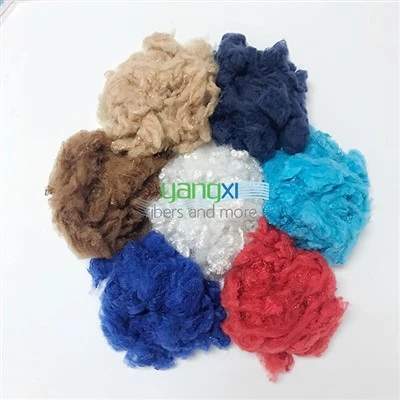

Functional Polyester Fabrics: The Backbone of Active & Outdoor Apparel
Sep 17, 2025
Plain polyester often gets a bad rap-stiff to the touch and stuffy to wear. But when treated with specialized processes, this versatile synthetic fiber transforms into high-performance, functional fabrics that dominate the activewear and outdoor clothing markets. These enhanced polyester variants solve key pain points for wearers-from sweat-soaked gym sessions to chilly outdoor hikes-making them a go-to for brands and manufacturers. Below, we break down three core functional polyester fabrics, their working principles, traits, and real-world applications.
1. Quick-Dry Polyester: A Must for High-Intensity Activities
Quick-dry polyester is a game-changer for anyone who works up a sweat-its ability to wick moisture and dry fast addresses one of plain polyester's biggest flaws (sticky dampness).
How It Works
The magic lies in profile-modified fibers-manufacturers design polyester fibers with irregular cross-sections (think triangular, cross-shaped, or star-shaped) instead of the standard round. These unique shapes increase the fiber's surface area, creating more "channels" for moisture to spread out. By turning small sweat droplets into a thin, wide film, the fabric speeds up evaporation-drying 3 to 5 times faster than cotton.
Key Traits
- Ultra-low moisture absorption (less than 0.4%), so it never feels "waterlogged"
- Sweat doesn't cling to the fabric, keeping wearers dry and chafe-free during long runs or workouts
- Retains its shape even after repeated washes (no shrinkage or stretching out of form)
Common Uses
- Running tops and leggings
- Badminton, tennis, and basketball uniforms
- Travel tees (ideal for frequent wash-and-wear on trips)
2. Anti-Static Polyester: Say Goodbye to Static Shocks & Dust
Static cling-when clothes stick to skin or attract lint and hair-is a common annoyance with plain polyester. Anti-static polyester fixes this with simple yet effective tweaks, making it perfect for everyday and workwear.
How It Works
Two main methods boost polyester's anti-static performance:
- Conductive fiber blending: Tiny amounts of conductive fibers (like carbon fiber or fine metal filaments) are woven into the polyester. These fibers act as "grounding wires," channeling static charges away from the fabric instead of letting them build up.
- Anti-static coating: A thin, invisible layer of anti-static agents is applied to the fabric's surface. These agents attract moisture from the air, creating a slight conductive film that dissipates static.
Key Traits
- Rarely clings to skin or picks up dust, pet hair, or lint
- No sharp "zaps" when taking off clothes (especially in dry winter air)
- Maintains anti-static effects even after multiple washes (unlike temporary sprays)
Common Uses
- Winter thermal underwear (avoids static-induced discomfort under layers)
- Dress shirts and blouses (keeps a crisp, professional look without lint buildup)
- Industrial workwear (prevents static sparks in environments with flammable materials)
3. Polar Fleece: Warmth Without the Bulk
Polar fleece redefines "cozy functionality"-it delivers wool-like warmth but is lighter, easier to care for, and more affordable. It's one of the most popular functional polyester fabrics for casual and cold-weather gear.
How It's Made
The process starts with a polyester knit base fabric, which undergoes three key steps:
- Napping: Brushing the fabric surface to lift loose fibers and create a fuzzy layer.
- Carding: Combing these lifted fibers to align them evenly (no clumps or thin spots).
- Shearing & napping: Trimming the fibers to a uniform length, then "napping" again to form small, tight clusters (the "fleece" texture).
A premium variant, lamb fleece (or "sherpa fleece"), takes this further: fibers are engineered to be extra fine and curly, mimicking the softness of real lamb's wool. One side is often a smooth polyester backing, while the other is thick, fluffy fleece-boosting both warmth and durability.
Key Traits
- Warmth comparable to wool, but 50% lighter (no heavy, bulky layers)
- Dries fast if wet (unlike wool, which stays damp and loses warmth)
- Resists pilling with proper care (better longevity than cheap cotton fleeces)
- Lamb fleece adds extra softness and loft for colder climates
Common Uses
- Casual hoodies and sweatshirts
- Outdoor jacket liners (adds warmth without weighing down the outer layer)
- Throw blankets and pet beds (cozy yet easy to machine wash)
For manufacturers crafting these functional polyester fabrics-whether for quick-dry running tops, anti-static workwear, or fluffy fleece hoodies-the quality of the base polyester fiber is non-negotiable. Our polyester filament and staple fibers are engineered to support these specialized processes:
- Our polyester filaments (with customizable cross-sections) are ideal for quick-dry fabrics, as they hold their shape during profile modification.
- Our polyester staple fibers, with consistent fineness and strength, form the smooth, even base needed for high-quality polar fleece and lamb fleece.
Whether you're producing activewear for a sports brand or cold-weather gear for outdoor enthusiasts, our fibers provide the reliability to bring functional polyester fabrics to life. For specs or samples tailored to your product needs, feel free to reach out.
#FunctionalPolyester #ActivewearMaterials #OutdoorFabrics #PolyesterFiber #TextileTechnology