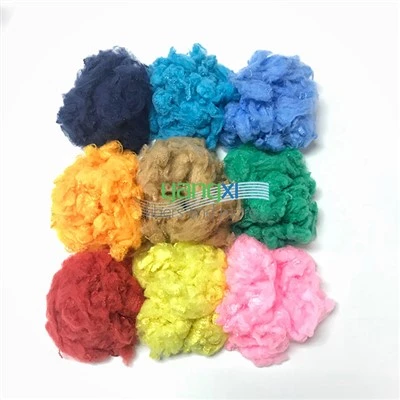

How Are Recycled Fiber Fabrics Made?
Jul 15, 2025
Recycled fiber fabrics are created by transforming waste materials into usable textile fibers through a combination of physical and chemical processes. The production cycle typically involves five key stages: raw material collection, processing, fiber spinning, post-treatment, and fabric manufacturing. Here's a detailed breakdown:
1. Raw Material Collection
The primary feedstocks for recycled fibers are diverse waste sources, categorized into two main types:
- Natural Fiber Waste: Includes plant-based residues like cotton linters (short cotton fibers), wood scraps (from logging or construction), bamboo culms, and hemp stalks; as well as animal-derived waste such as discarded silk fabrics and wool offcuts.
- Synthetic Fiber Waste: Focuses on post-consumer or industrial scraps, such as used PET plastic bottles, worn-out polyester clothing, and nylon production by-products.
2. Raw Material Processing
Processing methods vary based on whether the raw materials are natural or synthetic:
1)For Natural Fiber-Based Recycling (e.g., wood pulp for viscose)
Chemical Processing (Viscose Fiber Example):
- Pulping: Wood is shredded and treated with sodium hydroxide and carbon disulfide to break down cellulose into soluble "cellulose xanthate," forming a pulp.
- Dissolution & Ripening: The pulp is dissolved in dilute alkali to create a viscous "viscose solution," which is aged to optimize spinning properties.
- Purification: The solution is filtered to remove impurities and degassed to eliminate air bubbles, ensuring smooth spinning.
Eco-Friendly Physical Processing (Lyocell Fiber Example):
Cellulose from wood pulp is directly dissolved in a non-toxic solvent (N-methylmorpholine N-oxide, NMMO) without harsh chemicals, making the process nearly waste-free (solvent recovery rate >99%).
2)For Synthetic Fiber-Based Recycling (e.g., recycled polyester)
Mechanical Processing:
- Sorting & Cleaning: Waste PET bottles or polyester garments are sorted by color, stripped of non-fiber components (e.g., bottle caps, labels), and thoroughly washed to remove dirt and contaminants.
- Shredding & Pelletizing: Cleaned materials are shredded into flakes, melted at high temperatures, and extruded into small pellets (recycled polyester chips, or rPET).
- Drying & Melting: Pellets are dried to remove moisture, then re-melted into a polymer melt for spinning.
3. Fiber Spinning
Processed materials are converted into continuous fibers using techniques tailored to their type:
- Wet Spinning: Used for natural recycled fibers like viscose. The viscose solution is extruded through spinnerets into a coagulating bath (containing acids and salts), where it solidifies into filaments.
- Dry Spinning: Solvents in the spinning solution (e.g., for acetate fibers) are evaporated using hot air, leaving solidified fibers.
- Melt Spinning: Common for synthetic recycled fibers (e.g., rPET). The molten polymer is forced through spinnerets, cooling in air to form solid filaments.
4. Fiber Post-Treatment
Raw fibers undergo further processing to enhance performance:
- Drawing: Mechanical stretching aligns fiber molecules, boosting strength and improving luster (e.g., in recycled polyester).
- Crimping: Short fibers are crimped to add bulk and softness, aiding in spinning (similar to natural cotton).
- Heat Setting: Heating stabilizes fiber structure, reducing shrinkage and improving dimensional stability.
- Surface Treatments: Oiling (to reduce friction during weaving) or pre-dyeing may be applied to enhance processability and aesthetics.
5. Fabric Weaving & Finishing
Recycled fibers are spun into yarns (either alone or blended with other fibers like cotton or spandex) and then woven into fabrics:
- Weaving/Knitting: Yarns are woven (e.g., into shirts or tents) or knitted (e.g., into activewear or underwear) to form greige (unfinished) fabric.
- Dyeing & Finishing: Greige fabric undergoes bleaching, dyeing, or printing, followed by functional treatments (e.g., water resistance, antibacterial coatings) to meet end-use requirements.
This circular process not only reduces waste but also conserves resources-for example, producing 1 ton of recycled polyester saves approximately 7,000 liters of water compared to virgin polyester. As sustainability gains importance, recycled fiber manufacturing continues to innovate, with new technologies improving efficiency and reducing environmental impact.