
Is Fleece Fabric Really Made from Plastic Bottles? Textile Fact Check
Feb 05, 2026
Fleece has become a staple in autumn and winter wardrobes for its softness and warmth, but a viral claim-"wearing fleece is wearing plastic bottles"-has left many buyers confused. The answer is not a simple "yes" or "no"; behind this popular warm fabric lies a mix of traditional craftsmanship and eco-friendly technology, which is essential knowledge for textile buyers and consumers.
Core Truth: Fleece & Plastic Bottles Share the Same "Origin"
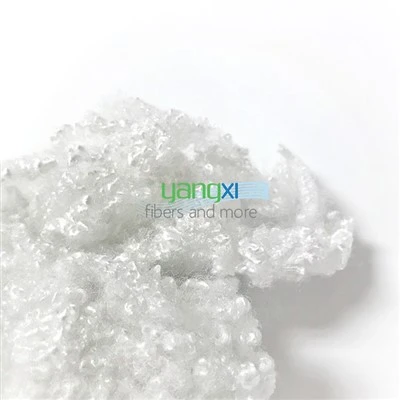
The key raw material of fleece is polyester (PET), which belongs to the same material family as plastic bottles-just like flour and noodles, they come from the same raw material but have different forms due to different processing techniques.
- Traditional Fleece: Made from virgin polyester, refined from petroleum. It is warm and lightweight but less eco-friendly, as it relies on non-renewable resources.
- Recycled Fleece (Mainstream Today): This is the real "plastic bottle transformed" fabric. On average, 4 ordinary mineral water bottles can be processed into one basic fleece item (such as a scarf or a thin fleece jacket). It has become the preferred choice for brands and buyers pursuing green consumption.
From Plastic Bottle to Fleece: 4 Key Processing Steps
Turning waste plastic bottles into soft fleece is a precise and eco-friendly process, not just simple recycling:
- Sorting & Cleaning: Plastic bottles are sorted by color, with caps and labels removed, then crushed into small pieces and cleaned through 8 high-temperature purification processes to remove impurities.
- Melting & Purification: The cleaned plastic pieces are melted and purified into fiber-grade PET chips, the "semi-finished product" of polyester fiber.
- Spinning: The PET chips are drawn into fine polyester yarns, which are then woven into base fabric.
- Fleece Finishing: The base fabric undergoes a special brushing and napping process, making the fibers form small, warm-locking pellets-this is how "fleece" gets its unique texture.
This process not only reduces white pollution but also cuts the carbon footprint by 60% compared to traditional fleece production. In China alone, 20 billion old plastic bottles are transformed into fleece every year, delivering significant environmental value.
Practical Tips for Buyers & Care
How to Buy "Plastic Bottle Fleece"?
Look for two key marks on the product label:
- "Recycled Polyester" (or "rPET") on the material description;
- GRS Certification (Global Recycled Standard), which ensures the recycled material content and ethical production.
How to Care for Fleece?
Fleece is easy to maintain, but following these tips will extend its service life:
- Wash in cold water (below 30℃) on a gentle cycle, and put it in a laundry bag with the reverse side out to avoid pilling.
- Dry in shade; do not expose to direct sunlight (it will damage the fibers and reduce warmth).
- When drying in a dryer, put 1-2 tennis balls to restore its fluffiness quickly.
Bonus: Recycled Fleece Performs as Well as Virgin Fleece
Many buyers worry that recycled fleece is less durable or warm-but the truth is, its warmth is twice that of wool, and it can still retain 70% of its warmth even when wet. It is lightweight, quick-drying, and wear-resistant, performing no worse than traditional virgin polyester fleece.
Why Fleece Is Popular?
Fleece's popularity is not only due to its practicality (warm, soft, affordable) but also because recycled fleece aligns with the global trend of green consumption. As more brands and buyers focus on sustainability, recycled fleece has become a bridge between practicality and eco-friendliness in the textile industry.
Tags: Fleece Fabric, Recycled Polyester Fleece, rPET Fabric, Plastic Bottle Recycling Textile, GRS Certified Fabric, Eco-Friendly Textile Guide