
What’s the Difference Between Space Cotton and Cotton? A Guide for Buyers
Feb 03, 2026
When shopping for clothing or bedding, "space cotton" and "cotton" are two commonly mentioned fabrics-but many buyers confuse them. Some think space cotton is a "high-tech cotton," while others assume pure cotton is always better than synthetic fabrics. In fact, they differ significantly from origin and performance to uses. This concise guide helps you tell them apart and choose the right one for your needs.
Core Difference: Natural vs. Synthetic
The key distinction lies in their origin-cotton is a natural plant fiber, while space cotton is a man-made functional fabric. This core difference determines all their other traits.
4 Key Comparisons (Easy to Understand)
1. Material Origin
- Cotton: Made from natural cotton plant fibers, a pure natural plant protein fiber. Processed through traditional spinning and weaving, it's skin-friendly with no synthetic ingredients. High-quality types include Xinjiang cotton and organic cotton, known for softness and breathability.
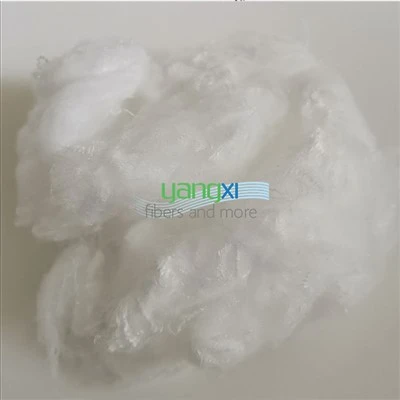
- Space Cotton: Not natural cotton at all. Officially called temperature-sensitive pressure-relief material, its core components are polyester or polyurethane. Originally developed by NASA for spacesuits to protect astronauts, modern civilian space cotton often has a multi-layer structure (polyester fleece base + metal reflective layer) for heat retention.
2. Key Performance
- Warmth: Space cotton offers lightweight, efficient warmth. Its metal layer reflects 30%-40% of body heat back, weighing only 1/4 of cotton for the same warmth-ideal for cold weather without bulk. Cotton's warmth depends on fluffiness, requiring more filling (thicker and heavier) but feeling softer and more natural.
- Breathability: Cotton wins here. Its porous structure absorbs and evaporates sweat quickly, keeping skin dry and gentle on sensitive skin-suitable for year-round use. Space cotton has breathable pores but is less breathable than cotton, which may feel stuffy in summer.
3. Durability & Maintenance
- Space Cotton: More durable and easy to care for. It resists wrinkles and has good slow rebound, won't deform or clump after machine washing, dries quickly, and inhibits mold-no special maintenance needed.
- Cotton: Prone to shrinkage, wrinkles, and deformation after washing. It needs regular ironing, may yellow or become brittle over time, and mold easily if not dried thoroughly.
4. Eco-Friendliness & Price
- Cotton: More eco-friendly. As a natural fiber, it's biodegradable with minimal environmental impact, fitting the global green consumption trend. Pure cotton products are usually more expensive, especially organic or high-count cotton.
- Space Cotton: Eco-friendliness depends on production processes. Traditional synthetic space cotton may have chemical residues, but new recyclable/regenerated polyester space cotton is becoming more eco-friendly (and slightly pricier). It's generally more cost-effective than cotton for the same thickness.
Buyer's Guide: Choose Based on Your Needs
- Skin-Tight Wear/Sensitive Skin: Choose cotton. Ideal for T-shirts, underwear, baby clothes, and loungewear-breathable, skin-friendly, and chemical-free. Look for labels with ≥95% cotton content.
- Winter Warmth/Outdoor Use: Choose space cotton. Perfect for down jackets, skiwear, and winter sleeping bags-lightweight, warm, and machine-washable. Opt for recyclable or anti-bacterial space cotton for better eco-friendliness.
- Business Wear/Frequent Use:
- Space cotton: Great for business shirts (blends technology and formality, cost-effective).
- Cotton: Choose wrinkle-resistant, anti-bacterial high-count cotton for natural texture (slightly more expensive but skin-friendly).
- Bedding:
- Summer: Cotton (breathable, sweat-absorbent).
- Winter: Space cotton (lightweight, easy to care for) or cotton (natural softness-choose high-fluff cotton and air it regularly to avoid clumping).
Quick Summary
Cotton is natural, breathable, and eco-friendly-best for skin contact and natural texture. Space cotton is synthetic, lightweight, and low-maintenance-ideal for warmth and convenience. Both have their strengths; choosing the right one depends on your usage scenario and preferences.
Tags: Space Cotton vs Cotton, Fabric Comparison, Cotton Fabric, Space Cotton, Textile Buyer Guide, Bedding Fabric