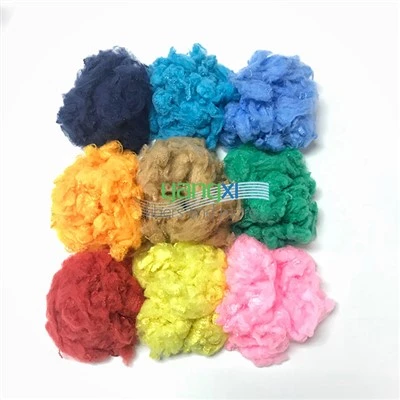

Is Polyester a Poor or Cheap Fabric?
Jul 21, 2025
Polyester, a key synthetic fiber made via chemical polycondensation of organic diacids and diols, is widely used in textiles and related fields. However, misconceptions often label it as "inferior" or "cheap"-a view that overlooks its versatility and performance.
Is Polyester "Poor"?
Far from it. Polyester's properties make it highly functional for specific applications:
- Durability: It boasts high tensile strength and excellent abrasion resistance, withstanding repeated wear, washing, and friction without easily tearing. This makes it ideal for sportswear, outdoor gear, and workwear, where longevity is critical.
- Practicality: Polyester is easy to care for-resistant to wrinkles, shrinking, and mildew. It dries quickly, making it suitable for active lifestyles or travel.
- Versatility: Through advanced processing (e.g., blending with natural fibers, adding coatings), polyester can mimic the softness of cotton, the drape of silk, or the warmth of wool. It also accepts functional treatments like waterproofing, UV protection, or moisture-wicking, expanding its use in high-performance textiles.
Is Polyester "Cheap"?
While basic polyester fabrics are affordable, this is a result of its production efficiency, not inherent low quality:
- Cost Factors: Polyester's raw materials (petrochemicals) are abundant, and its manufacturing process is mature and scalable, driving down production costs. This makes basic polyester fabrics cheaper than premium natural fibers like wool or silk, which have higher raw material and processing expenses.
- Price Range: Polyester spans a wide price spectrum. Basic variants are indeed used in budget-friendly fast fashion (T-shirts, shirts, pants) for their affordability. However, high-performance polyester (e.g., recycled polyester, microfiber polyester, or technical blends) is used in luxury sportswear, outdoor equipment, and high-end home textiles, where its price rivals or exceeds that of some natural fibers.
Conclusion
Polyester is neither inherently "poor" nor universally "cheap." Its affordability stems from efficient production, while its performance-durability, versatility, and adaptability-makes it indispensable in both everyday and high-tech textiles. Judging polyester solely by cost overlooks its functional value: it balances practicality, durability, and accessibility, earning its place as a staple in modern fabric innovation.