
Technical Guide to Cationic Mesh Quick-Dry Fabrics: Fiber Chemistry, Moisture Mechanics, and Sourcing Standards
Sep 28, 2026
In functional sportswear and activewear manufacturing, quick-dry performance has evolved from a basic finish into a critical technical specification. Apparel buyers often observe that while many synthetic garments carry a "quick-dry" label, their real-world wearing comfort varies dramatically. Inferior fabrics frequently trap moisture against the skin, lose wicking capacity after initial laundering, or stiffen after repeated wear.
Cationic mesh quick-dry fabric addresses these limitations by integrating chemical polymer modification with engineered physical mesh construction. Understanding the chemical structure, moisture transport mechanics, and verification standards of cationic mesh fabrics enables apparel designers, textile engineers, and sourcing directors to optimize performance collections while executing sound Global Sourcing Strategies.
1. Polymer Chemistry and Structural Construction Mechanics
Unlike conventional polyester fabrics that rely on temporary topical hydrophilic coatings, genuine cationic quick-dry performance is engineered into the molecular core of the fiber:
- Chemical Polymer Modification: Standard polyester (PET) possesses a dense, crystalline molecular structure with low porosity, weak moisture regain, and high thermal dyeing requirements. Cationic modified polyester introduces positively charged sulfonate groups directly into the polymer chain during spinning. This chemical modification opens the internal fiber matrix, creating micro-grooves, micro-channels, and elevated dye affinity for cationic dyestuffs.
- Capillary Mesh Engineering: Modified cationic filaments are knitted using specialized warp-knitting or weft-knitting machines to form regular, open-work mesh architectures. The combination of internal micro-channels and physical mesh openings creates a continuous capillary network that draws liquid sweat away from the skin.
- Elastane Integration: For high-impact activewear, high-grade constructions incorporate 3% to 8% spandex, providing four-way stretch recovery without obstructing fabric air permeability or structural stability.
2. Core Functional Advantages: Moisture Transport, Colorfastness, and Comfort
Topically treated quick-dry fabrics lose wicking functionality once surface coatings wash away. In contrast, cationic mesh fabric delivers durable, permanent functionality across three core areas:
Technical Performance Matrix: Cationic Mesh vs. Standard Polyester Finishes
| Performance Parameter | Topically Treated Standard Polyester | Genuine Cationic Mesh Quick-Dry Fabric |
|---|---|---|
| Moisture Evaporation Rate | Baseline reference rate; slows after washing. | 30% to 40% faster evaporation than standard PET. |
| High-Humidity Drying Time | Slow moisture drop; fabric clings to skin. | Humidity drops ~1.5 minutes faster at 35°C high humidity. |
| Colorfastness Grade (ISO) | Grade 3 (Physical dye adhesion; prone to fading). | Grade 4–5 (Ionic chemical bonding; machine wash resistant). |
| Visual Depth / Aesthetics | Flat, single-tone color yield. | Rich, multi-tonal two-color (heather) aesthetic when cross-dyed. |
| Tactile Surface Touch | Stiff, synthetic plastic hand-feel. | Soft, supple surface touch with zero skin irritation. |
- Accelerated Moisture Evaporation: The micro-grooves inside cationic fibers act as capillary tubes. Sweat from the skin is drawn into the fiber interior and spread across the outer mesh surface, maximizing the evaporation area. Laboratory data indicates moisture evaporation rates are 30% to 40% faster than standard polyester, preventing fabric cling during intense workouts.
- Superior Colorfastness and Two-Tone Effects: Cationic dyes bond chemically via ionic sites rather than relying on weak physical surface adhesion. This achieves an ISO Grade 4–5 colorfastness rating, preventing color bleeding or whitening across deep navy and crimson tones. Interweaving cationic polyester with standard polyester produces a distinctive, two-color cross-dyed heather effect in a single dye bath.
- Continuous Air Flow and Tactile Comfort: The geometric mesh openings maintain ongoing air circulation between the skin and external environment. Furthermore, modified cationic polyester feels significantly softer than standard synthetic yarns, eliminating the stiff plastic feel typical of low-cost synthetics.
3. Fabric Weight Classification and Garment Application Matching
Matching fabric weight (gsm) and mesh density to specific garment categories ensures optimal Material Performance:
- Lightweight Mesh (120g – 150g): Engineered for summer running T-shirts, athletic singlets, and marathon shorts. Prioritizes maximum breathability and rapid drying; garments dry completely within two hours when hung in ventilated spaces.
- Mid-Weight Mesh (150g – 190g): Balances structural stretch with moisture control. The primary choice for basketball jerseys, yoga wear, and cycling jerseys, maintaining shape during extreme elongation while venting high-sweat areas.
- Heavyweight / Dense Mesh (190g+): Utilized for outdoor ventilation panels, protective sports gear linings, and technical outerwear inserts, combining durability and abrasion resistance with moisture transport.
4. Procurement Quality Verification and Testing Protocols
To avoid purchasing pseudo-cationic fabrics-which rely on temporary surface treatments that wash off after a few laundry cycles-procurement managers should verify three objective testing parameters:
- Wicking and Evaporation Testing: Demand third-party laboratory reports. Qualified fabrics must achieve a liquid drop spread time of 1 to 2 seconds and a capillary wicking height of not less than 80mm to guarantee rapid moisture evacuation.
- Spandex Ratio Optimization: Spandex content around 6% provides ideal four-way elasticity without causing garment sag or shape distortion over time. Content exceeding 10% increases raw material costs without functional gain and heightens deformation risks.
- Anti-Pilling Resistance: High-quality cationic chips combined with precision knitting achieve an anti-pilling rating of Grade 3–4. Samples that display surface fuzzing after light rubbing indicate inferior raw polymer chips or loose yarn spinning.
5. Integrating Sustainable Fiber Alternatives for Activewear Resilience
To meet global brand sustainability mandates and manage raw material cost volatility, forward-thinking textile mills are combining cationic modified structures with advanced eco-friendly synthetic staples:
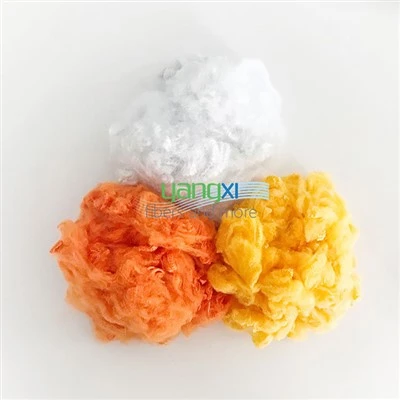
- Circular Polyester Base: Incorporating GRS-certified Recycled Polyester Staple Fiber into cationic blended yarns reduces reliance on virgin petroleum feedstocks. Derived from post-consumer PET bottle flakes, recycled polyester matches virgin fiber in tensile strength and spinnability, supporting sustainable activewear development.
- Soft Tactile Fiber Alternatives: For blended athletic knits requiring exceptional softness and vibrant coloration at optimized cost baselines, blending Bosilun fibers provides an acrylic-like tactile feel, low-temperature dyeability, and high moisture comfort. Integrating these advanced material options enhances overall Supply Chain Resilience and reinforces Global Sourcing Strategies.
Technical Summary for Activewear Procurement Directors
Cationic mesh quick-dry fabric delivers permanent moisture management, high colorfastness, and soft hand-feel by modifying polyester at the molecular level rather than applying temporary surface coatings. By specifying exact fabric weight categories, verifying third-party wicking metrics (wicking height >= 80mm), and incorporating sustainable inputs like Recycled Polyester Staple Fiber and Bosilun, activewear manufacturers can optimize garment performance and expand international market share.
Leveraging our integrated cross-border supply chain network across China and Vietnam, we support global trade partners in securing certified functional fiber inputs, optimizing performance fabric specifications, and executing effective Global Sourcing Strategies.