
Understanding Reactive Canvas: The Advanced Dyeing and Printing Process Redefining Fabric Performance
May 22, 2026
Within the contemporary textile marketplace, reactive canvas has emerged as a premium material choice across the apparel, luggage, and home furnishing sectors. Highly sought after by commercial textile sourcing agencies and garment manufacturers alike, this specialized fabric is distinguished by its exceptional color retention, soft tactile properties, and resistance to washing-induced fading. To optimize product selections and purchasing decisions, it is essential to understand the technical parameters of the dyeing and printing process that differentiates reactive canvas from conventional alternatives.
The Chemical Mechanism Behind High Color Fastness
The definitive characteristic of reactive canvas lies in how colorants bond with the base material, which typically consists of natural cellulosic matrices like cotton or linen. Conventional canvas processing frequently relies on superficial pigments or sulfur-based dyes that merely adhere mechanically to the external surface of the yarn, which often leads to poor wash fastness, blurred patterns, and a rigid, stiff hand-feel.
Conversely, the chemical framework of reactive canvas utilizes specialized reactive dyes containing functional reactive groups. These molecular groups initiate a covalent bonding reaction with the hydroxyl groups inside the cellulose fibers. By chemically integrating the dye directly into the internal structure of the yarn, the fabric achieves an elite color fastness profile, making it a recognized standard for color durability in heavy-duty textiles.
Step-by-Step Technical Overview of Textile Engineering
Manufacturing certified reactive canvas requires a highly calibrated, multi-stage textile engineering progression to ensure uniformity and structural integrity:
- Pre-treatment Phases: The raw gray fabric undergoes precise desizing, singeing, and mercerizing. This sequence eliminates impurities and surface fuzz, preparing the structural grid of the canvas for uniform dye absorption.
- Application and Precision Printing: Eco-friendly reactive colorants are applied utilizing automated dip-dyeing or pad-dyeing machinery, while complex patterns are transferred via high-precision rotary screens or flatbed printing configurations.
- Steam Fixation: The printed media is transferred into a saturated steam environment maintained strictly between 102°C and 105°C for approximately 10 minutes. This thermal environment drives the covalent chemical fixation, ensuring colorant fixation rates reach between 82% and 90% or higher.
- Scouring and High-Temperature Tentering: Thorough hot washing removes unbonded, residual surface dyes to prevent subsequent bleeding. The canvas then passes through high-temperature post-finishing chambers at 130°C to 160°C to control residual shrinkage values and impart a premium, soft touch.
The resulting fabric yields a laundering color fastness rating of grade 4 or higher, and a light fastness score of grade 3-4, ensuring it resists fading over prolonged machine washing and maintains structural resistance against yellowing under outdoor solar exposure. Furthermore, it preserves the inherent breathability of natural fibers while conforming to international ecological standards, such as the formaldehyde limits stipulated by standard GB 18401.
Material Synergy: Integrating Sustainable and Functional Fibers
As global sourcing networks shift toward high-end, ecologically conscious manufacturing paradigms, modern weaving mills are increasingly enhancing natural canvas bases with advanced, synthetic component options to satisfy complex international retail requirements.
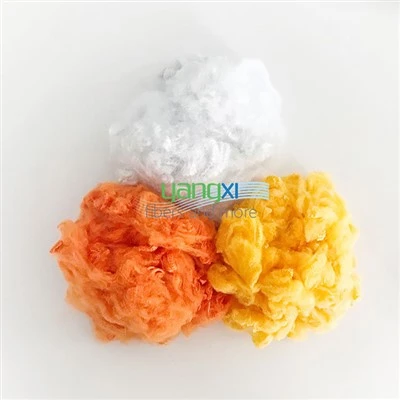
For instance, blending premium natural inputs with Recycled Polyester Staple Fiber or utilizing the advanced CiCLO® biodegradable series allows producers to create durable blended canvas vectors that lower environmental footprints without compromising tensile strength. For consumer lines targeting the infant care or high-end leisure sectors, incorporating bio-based PLA or certified OEKO-TEX certified traceable fibers provides a verifiable pathway to validate chemical safety and material traceability directly to brand auditors.
Simultaneously, for specialized industrial applications, hospitality layouts, and military-grade gear, integrating specialized Flame Retardant properties, advanced Low Melt adhesive matrices, or high-durability Bosilun fibers into the blended canvas matrix significantly enhances the fabric's technical utility. Deploying these technical environmental fibers alongside premium reactive processing allows manufacturers to enhance the commercial value of their collections and better support their operating margins. This balanced approach to advanced material sourcing is designed to help progressive enterprises navigate evolving consumer preferences, ultimately reinforcing long-term supply chain resilience and securing a competitive advantage in global industrial textile markets.