
What is the Difference Between Polyester and Chemical Fibers?
Dec 31, 2025
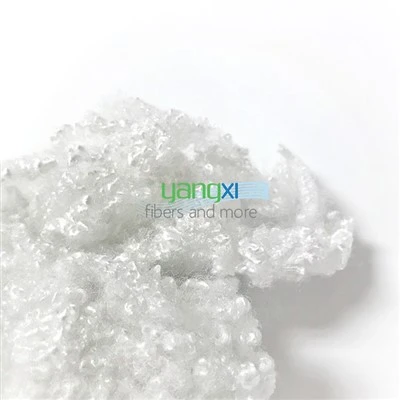
When you feel the smooth, cool touch of a jersey or see "Polyester" on the label of a wrinkle-free shirt, you might wonder: what exactly is the difference between polyester and chemical fibers? To put it simply: Polyester is a specific type of chemical fiber.
I. The "Family Tree" of Textile Fibers
To understand the relationship, we must look at how fibers are categorized. All fibers generally fall into two categories: Natural Fibers (Cotton, Linen, Silk, Wool) and Chemical Fibers.
Chemical Fibers (Man-made) are processed through chemical methods and are divided into two main groups:
- Synthetic Fibers: Entirely synthesized from chemicals (mostly petroleum-based). This includes Polyester, Nylon, Acrylic, and Spandex.
- Regenerated (Man-made) Fibers: Made from natural polymers like wood pulp. This includes Viscose, Modal, and Lyocell (Tencel).
Therefore, Polyester is the most prominent member of the chemical fiber family, accounting for over 70% of global chemical fiber production.
II. Five Key Advantages of Polyester
Polyester (Polyethylene Terephthalate) has become the industry leader because of its exceptional physical properties:
- Extreme Durability: It is wrinkle-resistant, requires no ironing, and dries quickly after washing.
- Cost-Efficiency: Massive production scales make it the most budget-friendly high-performance fiber.
- Easy Care: It is resistant to abrasion and shrinking, maintaining its shape over long periods.
- Versatility: Through different processing techniques, it can mimic the feel of silk, cotton, or even wool.
- Biological Resistance: It is naturally resistant to acids, mold, and moth damage.
III. Addressing the Sustainability Challenge: A Breakthrough Solution
A common criticism of traditional polyester is its environmental impact-specifically, that traditional polyester is not biodegradable. In an era focused on sustainability, this has become a major concern for global brands.
At Jiangyin Yangxi International Trade, we are addressing this challenge directly with our innovative CiCLO® Polyester Fiber. Unlike traditional synthetic fibers that persist in the environment for centuries, our CiCLO® technology allows polyester to behave more like natural fibers when they end up as microplastics in the environment.
The following table demonstrates the accelerated biodegradation rates of CiCLO® Polyester compared to Untreated Fiber in various environments:
| Environment | Days | CiCLO® Fiber Biodegradation | Untreated Fiber Biodegradation |
| Sea Water (ASTM D6691) | 1,362 | 94% | 5% |
| Waste Water Plant Sludge (ASTM D5210) | 952 | 90% | 0% |
| Soil (ASTM D5988) | 1,170 | 91% | 3% |
| Landfill (ASTM D5511) | 1,278 | 91% | 6% |
(Data based on ASTM standard testing for Polyester fibers using CiCLO® technology)
IV. Smart Sourcing Guide: How to Choose Wisely
Understanding the nuances of chemical fibers allows manufacturers and buyers to make better decisions:
- For Activewear: High-performance polyester or specialized chemical fiber blends are ideal for moisture-wicking and stretch.
- For Daily Apparel: Consider a Polyester-Cotton blend (e.g., 65% Cotton/35% Polyester) to balance the comfort of natural fibers with the easy-care benefits of synthetics.
- For High-End Sustainability: Choose CiCLO® Polyester to maintain performance while significantly reducing long-term environmental impact.
Conclusion
In today's fast-moving textile world, chemical fibers have long outgrown their "cheap and low-quality" stereotype. By choosing advanced materials like CiCLO® Polyester from Jiangyin Yangxi International Trade, you can achieve the perfect balance of modern performance, fashion-forward design, and environmental responsibility.