

August Foreign Trade Expands 19.8% As International Cotton Index Climbs To 95 Cents/lb
Sep 18, 2026
The global textile manufacturing sector is navigating a complex dual-market dynamic characterized by rising natural fiber costs and expanding international export opportunities. Upstream raw cotton price surges are transmitting cost pressures down through spinning and weaving networks, while strong national foreign trade figures provide essential demand support for apparel manufacturers.
Navigating this environment requires spinning mills, fabric weavers, and garment brands to carefully balance raw material procurement, inventory exposure, and downstream order execution.
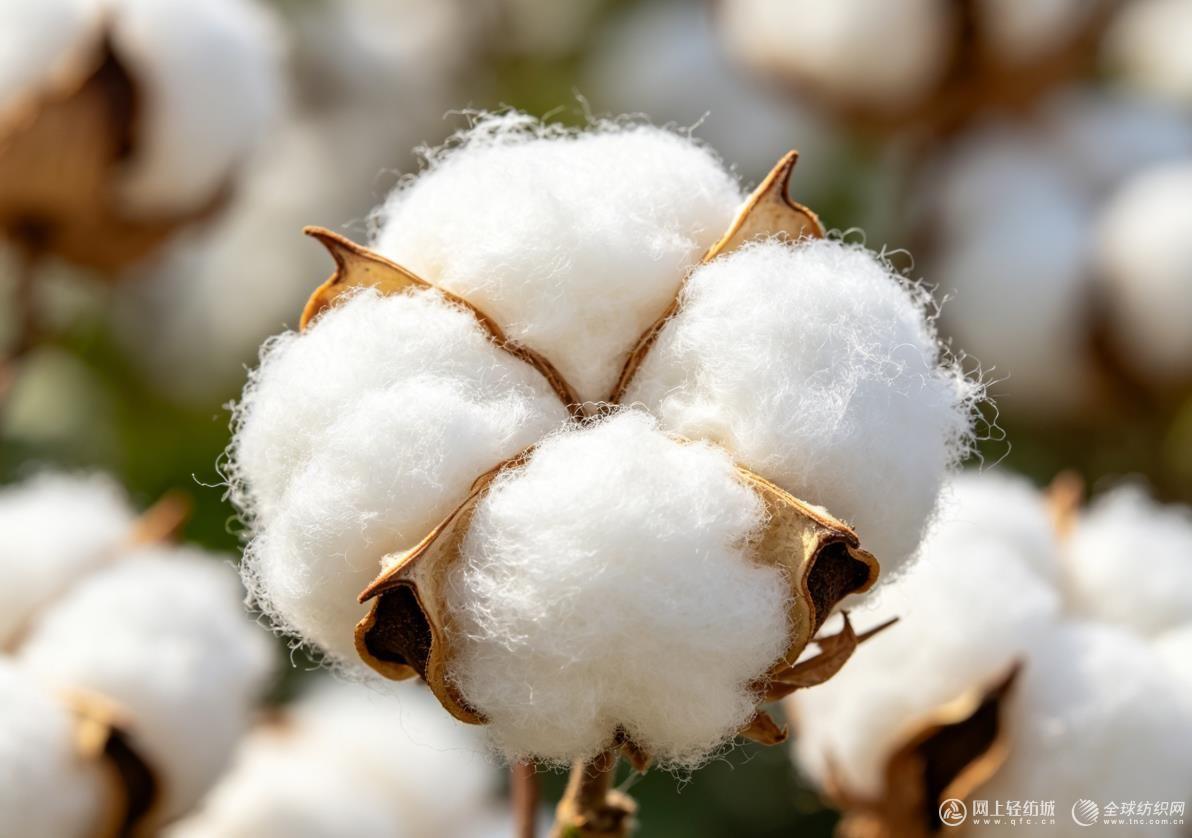
1. Natural Fiber Cost Dynamics: International Cotton A Index Reaches 95 Cents/lb
Raw cotton markets have experienced steady upward movement as commodity traders evaluate shifting crop yield forecasts against cautious retail buyer commitments:
- Benchmark Index Movement: According to monthly market reports from Cotton Incorporated, the international Cotton Outlook A Index experienced a notable increase, climbing from 90 cents/lb to 95 cents/lb.
- Supply-Demand Mismatch: Supply projections remain volatile due to shifting weather patterns and harvesting schedules across primary global cotton-growing regions. Concurrently, downstream retail apparel purchasing remains measured, preventing sudden surge buying.
- Cost Pass-Through Friction: For midstream spinning mills, raw cotton represents the primary operating cost. While raw material cost increases occur rapidly at the ginning level, transferring these costs down to yarn buyers and garment manufacturers remains difficult due to competitive retail pricing.
2. Foreign Trade Expansion: August Trade Reaches 464.55 Billion RMB
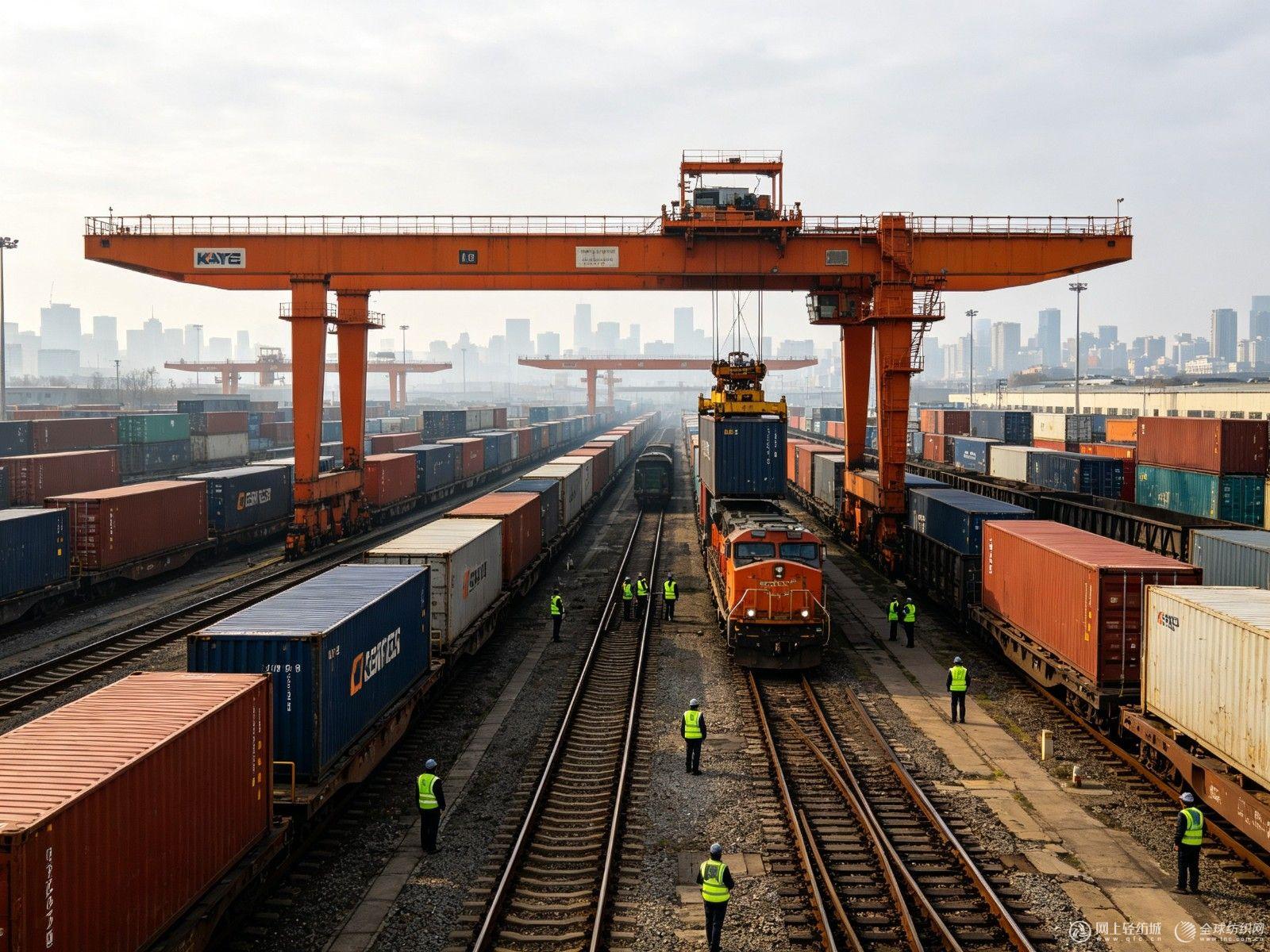
In contrast to upstream raw material cost inflation, national foreign trade figures delivered strong growth metrics in August, offering crucial demand support for export-oriented textile manufacturers:
August Foreign Trade Growth Indicators
| Trade Sector / Channel | August Value / Growth Metric | Operational Impact on Manufacturing |
| Total Foreign Trade | 464.55 billion RMB (Up 19.8% YoY). | Rebounding global demand for manufactured consumer goods. |
| Export Volume | 272.74 billion RMB (Up 18.6% YoY). | Strong export momentum driving fabric and apparel order books. |
| Import Volume | 1918.1 billion RMB (Up 21.7% YoY). | High raw material demand supporting domestic processing facilities. |
| Belt & Road Markets | Trade volume up 15.9% YoY. | Emerging market corridors expanding regional textile export share. |
| Private Enterprises | Export volume up 17.6% YoY. | Flexible private suppliers driving international order acquisition. |
| Electromechanical | Export volume up 21.9% YoY. | High-value product growth strengthening overall macroeconomic balance. |
Expansion across Belt and Road trade corridors and strong performance among private trade enterprises indicate that international purchasing demand is recovering, helping offset upstream raw material price pressures.
3. Operational Strategies for Midstream Textile Manufacturers
To maintain stable operating margins while natural fiber prices fluctuate, textile manufacturers must move away from speculative raw material stocking and adopt structured procurement models:
- Order-Backed Inventory Management: Spinning mills are structuring raw cotton purchases directly against confirmed downstream fabric contracts, avoiding speculative stockpiling during price surges to minimize inventory risk.
- Flexible Yarn Blending: Blending natural fibers with high-tenacity synthetic staples allows spinners to control yarn cost baselines while maintaining required hand-feel, tensile strength, and color uniformity.
- Emerging Market Diversification: Exporting mills are leveraging private enterprise flexibility to expand sales networks across Belt and Road economies, reducing dependency on single regional markets.
4. Engineering Material Resilience with Advanced Synthetic Fibers
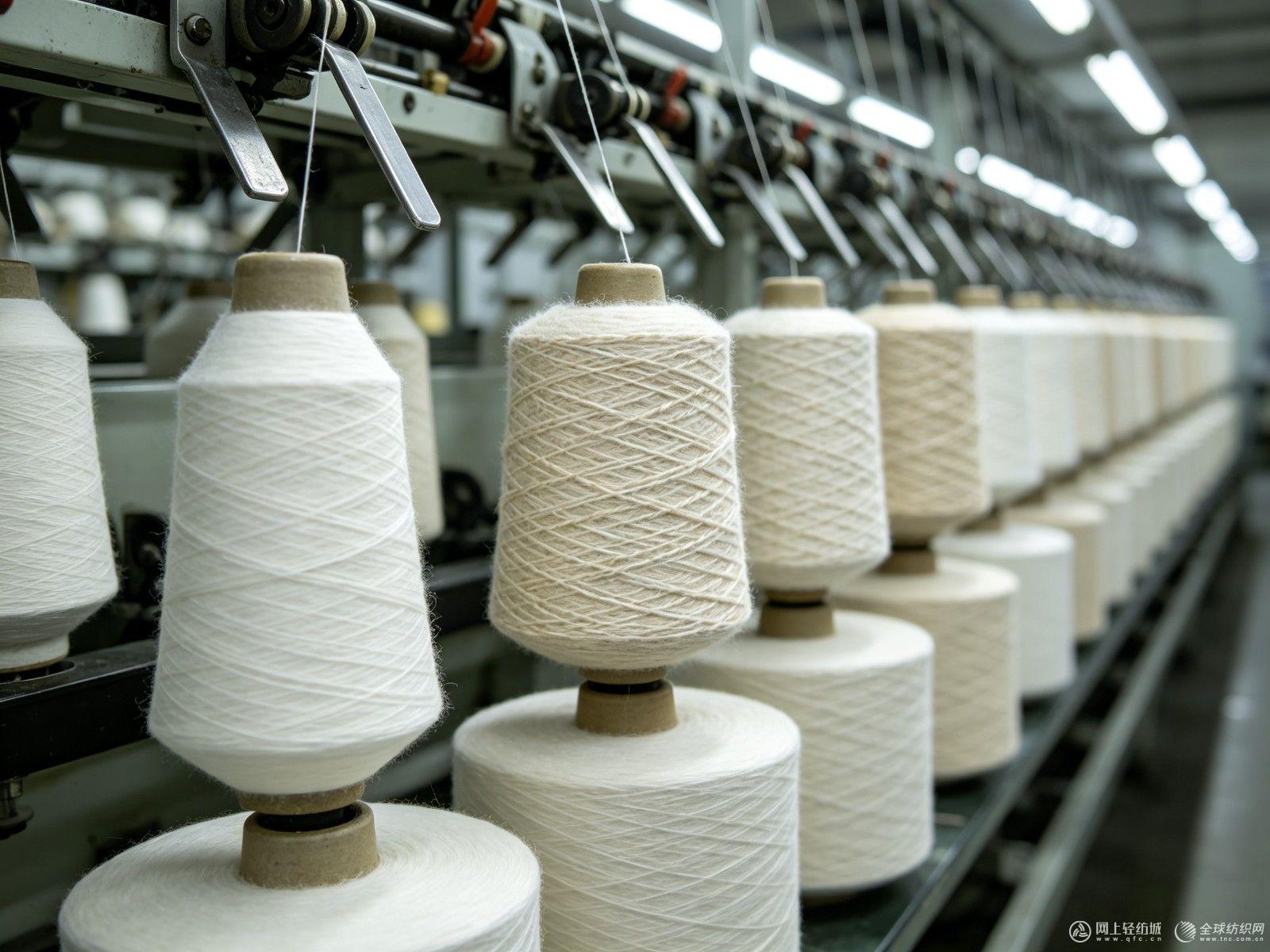
To cushion operating margins against cotton price swings and satisfy growing international sustainability requirements, textile mills are integrating high-performance synthetic fiber options into their spinning lines:
- Cost-Stabilized Sustainable Alternatives: Incorporating GRS-certified Recycled Polyester Staple Fiber into cotton-polyester spun yarns provides an effective method for stabilizing raw material expenditure. Produced from post-consumer PET bottle flakes, this fiber delivers high tensile strength, consistent linear density, and reliable dye uptake, allowing spinners to produce durable blended yarns with superior Material Performance.
- High-Value Technical Modification: For technical textiles, protective workwear, and commercial furnishings, blending standard structures with specialized Flame Retardant fibers adds permanent flame resistance without sacrificing tactile comfort. Utilizing these engineered fiber solutions builds Supply Chain Resilience and reinforces Global Sourcing Strategies.
Technical Summary for Textile Procurement Directors
While international cotton price increases present real cost challenges for midstream spinning mills, strong August foreign trade performance highlights growing international demand for finished textiles. By combining order-backed raw material purchasing with certified Recycled Polyester Staple Fiber and specialized Flame Retardant inputs, textile manufacturers can insulate operating margins, expand into emerging trade corridors, and execute resilient Global Sourcing Strategies.
Leveraging our integrated cross-border supply chain network across China, Thailand, and Vietnam, we support global partners in securing certified synthetic fiber inputs, managing raw material volatility, and executing effective Global Sourcing Strategies.


