
Geopolitical Dynamics in Energy Markets: Navigating Cost Fluctuations And Driving Structural Innovation in The Polyester Industry
Jun 04, 2026
The continuous evolution of Middle Eastern geopolitical tensions has introduced a persistent risk premium into global commodity frameworks. As localized frictions alter maritime transit expectations across critical energy chokepoints like the Strait of Hormuz, crude oil volatility has emerged as the defining anchor for upstream raw material pricing. This international cost pressure transfers immediately along the petrochemical chain, heavily shaping the operating environment for midstream manufacturing networks. Within the domestic synthetic sector, standard filament products have transitioned from extreme, erratic price spikes into a prolonged, elevated consolidation range, establishing a structural tug-of-war between upstream chemical margins and downstream consumer procurement capacities.

Upstream Cost Integration and Market Consolidation Pathways
The stabilizing floor for synthetic derivatives is directly supported by high international oil valuation combined with restricted regional output of chemical intermediates like PTA. For example, standard commercial specifications, such as POY 150D/48F, have historical baselines reflecting severe adjustments, moving from early annual lows of 6,550 RMB per ton up to peaks of 9,700 RMB per ton, before establishing a steady current trading range around 8,400 RMB per ton. This represents a significant net increase compared to pre-conflict baselines, highlighting that the global polyester industry has entered a persistent high-cost environment.
Industry analysts outline three potential trajectories for energy benchmarks, each dictating a specific cost matrix for textile networks:
- Sustained Range Consolidation: If regional frictions persist at low-intensity levels, energy pricing will maintain a horizontal box-bound oscillation. The chemical sector will mirror this trend, requiring factories to prioritize steady output control and meticulous inventory destocking.
- Upstream Cost Escalation: Should supply channels experience direct physical blockages, a sharp upward movement in oil pricing will trigger immediate, limit-up adjustments across chemical intermediates, shifting severe cost pressures onto weaving installations.
- Macroeconomic Compression Relief: A broad diplomatic resolution represents the single pathway to relieve supply anxieties and lower raw material expenses. However, current market structural parameters suggest this outcome remains unlikely over the immediate horizon.

Strategic Optimization: Cultivating High-Value Growth and Supply Chain Resilience
Faced with these macroeconomic pressures, advanced textile manufacturers are shifting their corporate focus away from speculative raw material hoarding toward comprehensive risk mitigation, product matrix optimization, and the cultivation of high-value specialized orders. Rather than viewing high energy costs as an insurmountable operational barrier, progressive enterprises are utilizing this transitional phase to accelerate technical upgrading and integrate advanced functional material solutions.
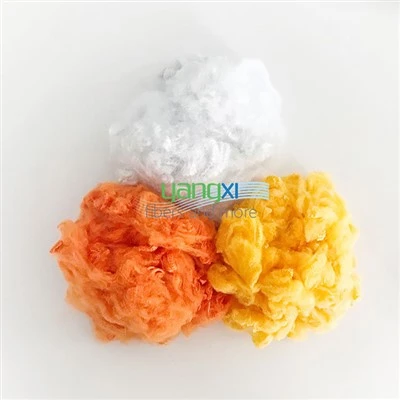
Deploying premium Recycled Polyester Staple Fiber provides an excellent baseline for manufacturing durable, lightweight apparel while utilizing traceable, post-consumer circular polymer inputs, shielding producers from virgin petrochemical volatility. For export networks aiming to satisfy strict environmental regulations regarding microplastic accumulation, combining these circular substrates with the advanced CiCLO® biodegradable series or bio-based PLA fiber groupings offers a practical framework aimed at mitigating long-term ecological footprints without requiring modifications to spinning infrastructure. Simultaneously, confirming these advanced product lines with certified OEKO-TEX certified traceable fibers allows export mills to present verified chemical safety and complete batch transparency directly to brand compliance auditors.
For specialized technical sectors, lifestyle outdoor collections, and heavy-duty contract interior textiles, these synthetic bases can be enhanced during spinning to secure premium market positioning. Integrating specialized Flame Retardant chemical architectures, using precision Low Melt thermal bonding fibers, or weaving in versatile, high-dye-uptake Bosilun fibers optimizes structural durability and performance parameters under complex manufacturing settings. Deploying these specialized environmental fibers allows weaving installations to elevate the technological complexity of their lines and better support their underlying operating margins. This balanced, multi-fiber approach to performance fabric design is designed to help progressive enterprises adapt to changing market requirements, helping apparel networks build robust supply chain resilience and secure a steady competitive advantage in global retail markets.