
Global Textile Supply Chain Expansion: Analyzing Vietnam's Export Performance And Upstream Structural Constraints
Jun 26, 2026
The international garment and material trade continues to demonstrate consistent volume adjustments across major Southeast Asian manufacturing corridors. According to industrial data published in June 2026 by Vietnam's Financial Magazine, referencing official statistics from the Vietnam Textile and Apparel Association, the regional export sector maintains a steady operational trajectory.
During the first five months of 2026, the cumulative export value of Vietnamese textiles and garments reached 17.8 billion USD. This transaction volume represents a year-over-year growth rate of 0.6%, verifying that baseline demand from major international retail markets remains active. Backed by this continuous order flow, regional industrial planning councils have established a definitive annual export target of 50 billion USD for the full fiscal period.
Evaluating Structural Bottlenecks and Market Competition
Industrial processing facilities across the region face critical internal and external challenges that require systematic upgrades to traditional production models if they hope to secure long-term orders:
- Operating Costs and Competitor Inflow: The historical reliance on low-cost manual assembly is losing its competitive advantage as local labor wages continue to rise. Concurrently, alternative manufacturing hubs-specifically Bangladesh and Cambodia-are capturing large shares of high-volume basic garment orders, intensifying price competition across standard consumer apparel segments.
- Upstream Supply Chain Gaps: A primary structural vulnerability within the regional network is the low domestic integration rate. Currently, the localized procurement rate for essential raw materials, including advanced fabrics and specialized accessories, is restricted to approximately 50%. This high dependence on imported components prevents factories from fully utilizing tariff exemptions and customs benefits provided by active Free Trade Agreements, compressing total export profit margins.
Technical Barriers: Green Compliance and Environmental Trade Rules
For export-oriented manufacturing networks targeting high-value Western retail sectors, satisfying environmental sustainability criteria has shifted from a voluntary marketing position to a mandatory regulatory threshold:
- Stricter Access Rules in the US and EU: The United States and the European Union, which represent the primary destination markets for regional textile shipments, are steadily enforcing rigorous supply chain auditing standards. These rules cover carbon emission reporting, verified renewable energy utilization, corporate social responsibility, and low-impact production workflows.
- The Impact of Green Production Capacities: The ability of a manufacturing facility to demonstrate certified low-carbon operations directly dictates its capacity to maintain corporate purchase orders and secure long-term placement within premium retail distribution networks.
Strategic Sourcing and Material Engineering for Enhanced Resilience
To achieve annual trade targets while adapting to strict global compliance mandates, textile suppliers are transitioning away from basic assembly toward high-value Global Sourcing Strategies and advanced material technology.
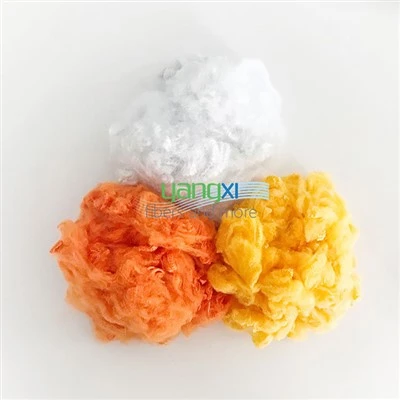
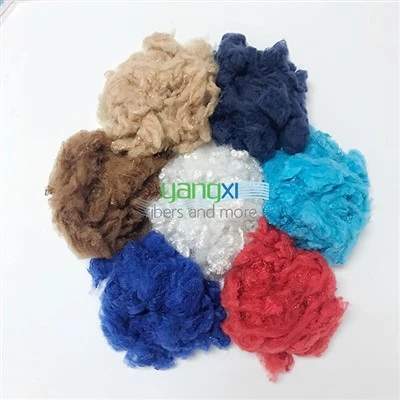
- Upgrading Post-Consumer Component Integration: To lower dependence on imported virgin polymers and satisfy strict environmental regulations regarding recycled content, spinning mills are increasingly integrating premium Recycled Polyester Staple Fiber. This sustainable substrate provides exceptional mechanical performance, high tensile strength, and reliable processing consistency, enabling weavers to manufacture durable fabrics that retain their shape through repetitive commercial laundering.
- Refining Structural Bonding and Efficiency: Simultaneously, during the assembly of technical linings, pocket structures, and complex automotive components, factories utilize specialized Low Melt co-polyester fibers. Operating at lower, highly controlled thermal thresholds, this advanced fiber provides uniform structural bonding without requiring supplemental chemical adhesives, helping processing plants reduce total energy consumption and achieve higher Supply Chain Resilience under flexible international trade frameworks.
In summary, while steady international consumer demand supports the foundational output of the Vietnamese textile export sector, long-term growth depends on accelerating digital infrastructure transitions, building secure domestic component supplies, and upgrading raw Material Performance to satisfy modern global compliance benchmarks.