
U.S. Yarn Gains Appeal? Bangladesh’s Garment Sector Shows Strong Import Interest
Aug 24, 2025
Recent weeks have seen a key dialogue between Bangladesh's garment industry and U.S. trade representatives, signaling growing momentum around textile raw material cooperation. The Bangladesh Garment Manufacturers and Exporters Association (BGMEA) hosted a delegation from the U.S. Embassy in Dhaka, where the two sides delved into critical topics: raw material trade flows, tariff preference policies, and supply chain collaboration-all issues that directly shape the future of Bangladesh's $40-billion garment sector, one of the world's largest.

Dialogue Focus: Clarifying Policies, Expanding Material Sourcing
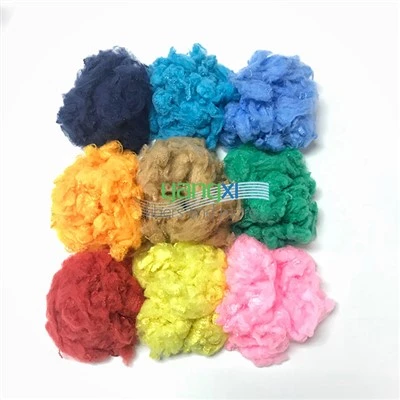
At the heart of the discussion was BGMEA's clear request to U.S. officials: clarify the specific calculation standards for "U.S.-sourced raw material usage." For Bangladeshi garment makers, this clarity is make-or-break-it will let them accurately plan purchases and ensure compliance with U.S. trade rules. Beyond policy clarity, BGMEA also voiced strong interest in importing man-made fibers (MMF) from the U.S., a move aimed at diversifying its raw material sources. Currently, Bangladesh relies heavily on regional suppliers for MMF; tapping U.S. sources could boost supply stability and add flexibility to its production lines, especially for higher-value apparel.
Tariff Incentives: A Key Driver for Collaboration
A major highlight was the U.S.'s recent executive order, which offers a targeted tariff break: if Bangladeshi garment exports to the U.S. use at least 20% U.S.-sourced raw materials, they qualify for a proportional exemption from the newly imposed 20% additional tariff. BGMEA President Mahmud Hasan Khan emphasized the industry's eagerness to leverage this policy. "We need a clear, transparent mechanism to track and verify raw material origins," he noted. "This will let our members reliably access the tariff relief, reduce production costs, and make our exports more competitive in the U.S. market."
For Bangladesh's garment sector-where profit margins often hover around 5-8%-even a partial tariff exemption could translate to significant savings, especially for large-scale exporters shipping millions of units annually.
Operational Collaboration: Cutting Logistics Costs
To speed up raw material imports, the two sides also explored a practical solution: building a warehouse near Chittagong Port, Bangladesh's busiest maritime hub for textile imports. Currently, cotton and yarn shipments from the U.S. can take weeks to clear customs and reach inland factories; a dedicated warehouse would streamline storage, reduce transit times, and lower logistics costs. Additionally, preliminary talks were held on potential cooperation between BGMEA and the U.S. Cotton Council-a partnership that could facilitate direct links between Bangladeshi buyers and U.S. cotton producers, further simplifying sourcing.
U.S. Emphasis: Labor Standards as a Long-Term Priority
While raw materials and tariffs took center stage, the U.S. delegation also highlighted a non-negotiable factor: aligning Bangladesh's labor laws with international standards. This echoes concerns from the International Labour Organization (ILO) and the EU (another top market for Bangladesh) about workplace safety and worker rights. U.S. officials framed this not as a barrier, but as a foundation for sustainable collaboration: "Stronger labor standards enhance the sector's global reputation and create a more stable environment for long-term trade," a delegation member noted. BGMEA acknowledged the importance of this issue, stating it would work with the Bangladeshi government to advance labor law reforms.
Outlook: Building a Win-Win Supply Chain
For Bangladesh, deeper collaboration with the U.S. on raw materials isn't just about cost savings-it's about resilience. The sector has faced recent disruptions from regional supply chain bottlenecks and price volatility; U.S. sources offer a new avenue to mitigate these risks. For the U.S., it's an opportunity to expand its textile exports: U.S. yarn and MMF producers have been seeking new markets amid domestic demand fluctuations, and Bangladesh's annual raw material imports (valued at over $12 billion) present a significant opportunity.
This meeting marks more than a single dialogue-it's the start of a structured partnership. As BGMEA and U.S. officials follow up on policy clarifications and warehouse plans, the textile industry will be watching closely: a smoother, more incentivized trade route between the U.S. and Bangladesh could reshape raw material flows for both regions.
#USYarn #BangladeshGarmentSector #TextileRawMaterials #GarmentTrade #SupplyChainCollaboration