
Vietnam’s US Exports At Risk Of 20% Drop: Tariffs Trigger Order Cancellations, Hitting Southeast Asia Hardest
Oct 20, 2025
Vietnam is staring down a major trade crisis: its exports to the U.S.-a key market for its textiles, footwear, and electronics-could plunge by nearly one-fifth, or over $25 billion, thanks to new U.S. tariffs that took effect in August. The United Nations Development Programme (UNDP) laid out this grim forecast in a September 18 report, marking the first official assessment of how the tariffs are shaking up Southeast Asia's trade landscape. For Vietnam, already the world's sixth-largest exporter to the U.S., the hit could slice 5% off its GDP and force a rethink of its supply chain strategies.
UNDP Data: Vietnam Takes the Biggest Hit in Southeast Asia
The UNDP's numbers don't mince words. Across Southeast Asia, total exports to the U.S. are expected to drop 9.7% as tariffs push up prices for American buyers. But Vietnam's pain is double that: its U.S.-bound shipments could fall 19.2%-a far steeper decline than any other country in the region.
To put that in perspective: Vietnam sent $136.5 billion worth of goods to the U.S. last year. A 19.2% drop would mean losing over $25 billion in sales-nearly one-fifth of its annual export revenue to the U.S. Philip Schellekens, UNDP's Chief Economist for Asia and the Pacific, told Reuters that worst-case scenario (where tariffs also fuel U.S. inflation) could make this loss a reality. "Vietnam's exposure is unique here," Schellekens said. "No other Southeast Asian nation has as much riding on U.S. demand for its manufactured goods."
Early signs are already worrying. Vietnam Customs data shows its U.S. exports fell 2% in August (the first full month under the new tariffs) compared to July. Footwear-Vietnam's second-biggest export to the U.S.-took an even bigger hit, dropping 5.5% month-over-month. The World Bank has already cut its 2025 growth forecast for Vietnam in response to these trends.

Uncounted Risks: Tariffs on Transshipped Goods Could Make Things Worse
The UNDP report's projections don't even include two huge threats that could make Vietnam's export slump worse:
- 40% tariffs on transshipped goods: The U.S. has warned it will slap a 40% tariff on goods that are "transshipped" through Vietnam-often products made with Chinese components, then labeled as "Vietnamese" to avoid higher duties. Vietnam's manufacturing sector relies heavily on Chinese raw materials (over 65% of its textile inputs come from China), so stricter origin checks could cripple its ability to sell to the U.S.
- Limited exemptions: Consumer electronics (which make up 28% of Vietnam's U.S. exports) currently get a tariff waiver-but even with that, Schellekens says Vietnam's U.S. exports would still drop by $18 billion. If those exemptions get cut, the loss could grow even larger.
Southeast Asia's Mixed Pain: Size Determines the Impact
While Vietnam faces the biggest absolute loss, other Southeast Asian countries aren't unscathed. Cambodia's U.S. exports could drop 23.9%-the steepest percentage decline in the region-but since it only sent $12.6 billion to the U.S. last year, the actual impact is smaller than Vietnam's.
Thailand (-12.7%), Malaysia (-10.4%), and Indonesia (-6.4%) are also bracing for drops. Singapore, though, is barely affected (a 3.8% decline) because its U.S. trade mostly involves services or high-tech re-exports-areas where tariffs haven't been applied yet.
What This Means for Vietnam's Textile & Footwear Sectors
Vietnam's biggest vulnerability right now is its reliance on low-margin, export-driven manufacturing-especially textiles and footwear, which make up a huge chunk of its U.S. shipments. These sectors depend on imported raw materials (70% of their chemical fibers, like polyester and nylon, come from abroad) to keep production running. With tariffs pushing up costs and U.S. buyers canceling orders, Vietnamese factories are scrambling to find ways to cut expenses without sacrificing quality.
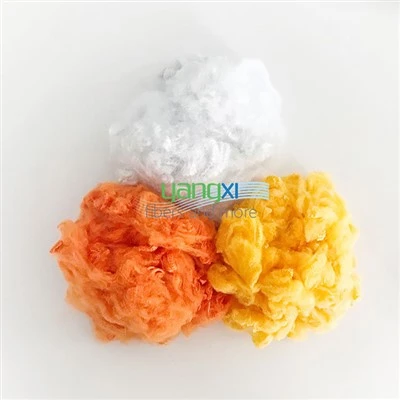
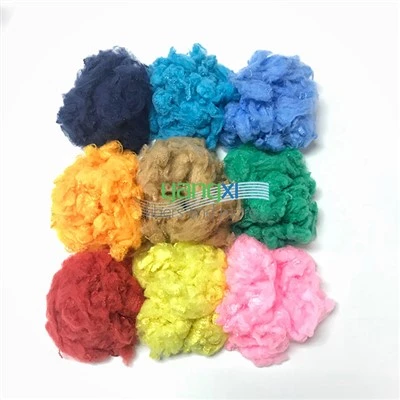
For businesses looking to stabilize their supply chains amid this chaos, reliable access to high-quality raw materials is key. Our polyester filaments and nylon staple fibers-essential inputs for textiles, footwear, and home goods-offer the consistency and cost-effectiveness that Vietnamese manufacturers need right now. By partnering with a trusted supplier, they can avoid delays or quality issues that would make their products even less competitive in the U.S. market.
#VietnamUSExportCrisis #SoutheastAsiaTariffImpact #TextileSupplyChain #PolyesterNylonFibers #VietnamFootwearExports