

What are the care instructions for PLA fiber products?
Jul 28, 2026
As a seasoned supplier of PLA Fiber, I'm often approached with questions about the proper care of products made from this remarkable material. PLA, or Polylactic Acid, is a bioplastic derived from renewable resources such as corn starch or sugarcane. It's not only eco - friendly but also possesses unique characteristics that make it a popular choice in various textile applications. In this article, I'll delve into the care instructions for PLA fiber products, ensuring that they remain in top condition for as long as possible.
Understanding the Properties of PLA Fiber
Before we get into the care details, it's essential to understand the basic properties of PLA Fiber. PLA fiber is known for its softness, breathability, and anti - microbial properties. It has a relatively low melting point compared to other synthetic fibers, typically around 150 - 160°C. This low melting point is one of the key factors that should be considered when caring for PLA fiber products.
Washing Instructions
Water Temperature
One of the most crucial aspects of washing PLA fiber products is controlling the water temperature. Due to its low melting point, high - temperature water can cause the fibers to melt or deform. Therefore, it's recommended to use cold or lukewarm water, with a temperature not exceeding 30°C. This gentle approach will help preserve the integrity of the fibers and prevent any unwanted damage.
Detergent Selection
When choosing a detergent, opt for a mild, eco - friendly one. Harsh chemicals and strong detergents can break down the PLA fibers over time. Look for products that are labeled as suitable for delicate fabrics or those that are free from phosphates, bleach, and synthetic fragrances. These gentle detergents will not only clean the PLA fiber products effectively but also extend their lifespan.
Washing Machine Settings
If you're using a washing machine, select the delicate or gentle cycle. This setting uses less agitation, which reduces the risk of the fibers tangling or breaking. Avoid using the spin cycle at high speeds, as this can also cause stress on the fibers. Instead, choose a low - speed spin or a delicate spin option.
Drying Instructions
Air Drying
The best way to dry PLA fiber products is by air drying. Hang the items outside in a shaded area or indoors on a drying rack. Direct sunlight can cause the colors of the PLA fiber products to fade and may also affect the physical properties of the fibers. Make sure to reshape the items while they are still damp to maintain their original form.
Tumble Drying
If you must use a tumble dryer, set it to the lowest heat setting. High heat can melt the PLA fibers, so it's crucial to keep the temperature as low as possible. It's also advisable to remove the items from the dryer while they are still slightly damp to prevent over - drying.
Ironing Instructions
Ironing PLA fiber products should be done with extreme caution. Due to their low melting point, the heat from an iron can easily damage the fibers. If ironing is necessary, use a cool iron. Place a pressing cloth between the iron and the fabric to provide an additional layer of protection. Avoid leaving the iron stationary on the fabric for an extended period, as this can cause the fibers to melt.
Storage Instructions
Proper storage is also important for maintaining the quality of PLA fiber products. Store them in a cool, dry place away from direct sunlight. Avoid folding the items tightly, as this can cause creases and wrinkles that may be difficult to remove. Instead, gently roll the products and place them in a storage container or drawer.
Comparison with Other Fibers
To better understand the care requirements of PLA fiber, let's compare it with some other common fibers.
Virgin Polyester Tops
Virgin polyester tops are more heat - resistant than PLA fiber. They can withstand higher water temperatures during washing and higher heat settings in the dryer. However, they may not be as eco - friendly as PLA fiber, as they are derived from non - renewable resources.
Bosilun Fiber
Bosilun fiber shares some similarities with PLA fiber in terms of eco - friendliness. However, the care instructions for Bosilun fiber may vary depending on its specific composition. Generally, it's recommended to follow similar guidelines for low - temperature washing and gentle drying.
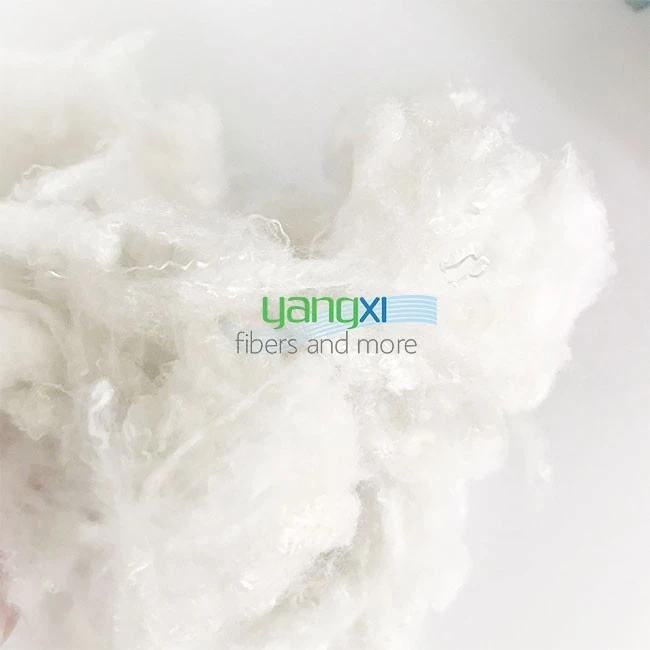

Bosilun Tops
Similar to Bosilun fiber, Bosilun tops are also made from sustainable materials. When caring for Bosilun tops, it's important to avoid harsh chemicals and high temperatures, just like with PLA fiber products.
Low Melt Polyester Fiber
As the name suggests, low melt polyester fiber has a relatively low melting point, similar to PLA fiber. Care instructions for low melt polyester fiber products also focus on using low - temperature washing and drying methods to prevent melting.
Importance of Proper Care
Proper care of PLA fiber products is not only important for maintaining their appearance and performance but also for maximizing their eco - friendly benefits. By following the care instructions, you can extend the lifespan of the products, reducing the need for frequent replacements. This, in turn, helps to conserve resources and reduce waste, aligning with the sustainable nature of PLA fiber.
Conclusion
In conclusion, caring for PLA fiber products requires a gentle touch. From washing with cold water and mild detergents to air drying and using a cool iron, every step plays a crucial role in preserving the quality of the fibers. As a supplier of PLA Fiber, I encourage our customers to follow these care instructions to ensure the longevity of their products.
If you're interested in purchasing PLA fiber for your textile manufacturing needs, we invite you to reach out for a purchase discussion. Our team of experts is ready to assist you in finding the best PLA fiber solutions for your specific requirements.
References
- General knowledge on textile care and properties of different fibers.
- Research on the characteristics and applications of PLA fiber in the textile industry.