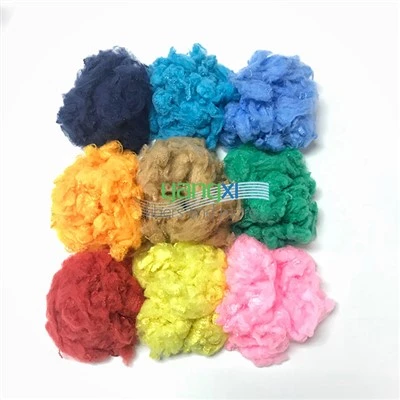

Are the shrinkage rates of fabrics of different colors the same?
Aug 13, 2025
For the same type of fabric, the shrinkage rates of different colors may vary, mainly depending on the dyeing process.
Why does color affect shrinkage rate?
Stretching and color fixing during dyeing: Dark-colored fabrics usually require longer dyeing time, higher temperature, or more dyes. Fibers may undergo stronger mechanical stretching during the dyeing process. When the fabric is washed with water, these stretched fibers return to their original state, which may lead to greater shrinkage compared to light-colored fabrics.
Binding mode of dyes and fibers: Dark dyes bind more tightly to fibers, which may alter the structural stability of the fibers to some extent. If sufficient "setting treatment" is not performed after dyeing, the binding force between fibers in dark-colored fabrics is more likely to be broken by water during washing, thereby increasing the risk of shrinkage.
Which color of fabric may have a higher shrinkage rate?
Dark colors > light colors: Especially vivid colors such as black, red, and dark blue. If the process is not properly controlled, their shrinkage rate may be 1%-2% higher than that of light-colored fabrics of the same type. For example, for pure cotton fabrics, the shrinkage rate of light colors may be 5%, while that of dark colors could reach 6%-7%.
Printed/multi-colored fabrics: During the printing process, fabrics may go through multiple pad dyeing and drying steps, causing fibers to bear more complex stress. Their shrinkage rate may be slightly higher than that of solid-colored fabrics in the same color system. Additionally, "uneven local shrinkage" may occur-for instance, the printed parts and the background color may shrink to different degrees.