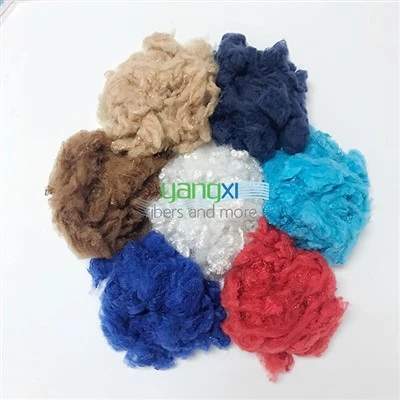

What Are the Differences Between Polyester and Nylon? How to Distinguish Them?
Jul 12, 2025
Polyester (PET)
Polyester is a synthetic fiber made from polyester polymers, produced by polycondensation of organic dibasic acids and diols. As one of the most widely used synthetic fibers globally, it offers distinct characteristics:
- Advantages: Excellent wrinkle resistance, shape retention, and durability. It is easy to care for (resists shrinking and fading) and relatively affordable.
- Limitations: Poor breathability, tends to generate static electricity, and has moderate heat resistance.
- Common Uses: Shirts, suits, sportswear, and outdoor gear like sun-protective clothing.
Nylon (Polyamide)
Nylon, the world's first synthetic fiber (invented by DuPont in 1935), is a polyamide-based fiber celebrated for its exceptional performance:
- Advantages: Unmatched abrasion resistance (topping all textile fibers), high elasticity, lightweight feel, and good chemical resistance.
- Limitations: Inferior heat resistance and lightfastness (prone to aging under prolonged sunlight).
- Common Uses: Activewear (e.g., yoga pants), luggage fabrics, socks, and industrial textiles requiring durability.
How to Distinguish Between Polyester and Nylon?
1. Burn Test
- Polyester: Burns with a black smoke, leaving hard, brittle black beads as residue. Emits a pungent, chemical odor.
- Nylon: Burns quickly with white smoke, leaving a transparent or semi-transparent hard bead. Smells similar to celery or burning hair.
2.Hand Feel & Application
- Polyester: Feels stiffer, crisper, and more structured. It retains its shape well, making it ideal for tailored garments (shirts, suits) and outdoor apparel needing wrinkle resistance.
- Nylon: Feels softer, smoother, and more elastic. Its stretch and abrasion resistance suit form-fitting sportswear, luggage, and accessories.
3.Heat Reaction
- Polyester has better heat resistance (melting point around 255°C) and is less likely to deform under high temperatures.
- Nylon melts at a lower temperature (around 215°C) and may shrink or harden when exposed to excessive heat (e.g., hot irons).
These differences make each fiber suitable for specific applications, while their blend (as in poly-nylon fabrics) combines their strengths for enhanced performance.