
Crude Oil Freight Rates Surge Fivefold To $37/Barrel, Transmitting Petrochemical Cost Pressures To Synthetic Outerwear
Nov 02, 2026
Monitoring data released by the International Energy Agency (IEA) indicates that global crude oil maritime freight costs have surged up to five times pre-conflict levels due to escalating Middle East geopolitical disruptions. By mid-October 2026, charter rates for Very Large Crude Carriers (VLCCs) shipping crude oil from the Middle East Gulf to Asian refining hubs surpassed $37 USD per barrel.
Because synthetic outerwear textiles-including polyester, nylon, polyurethane membranes, and durable water-repellent (DWR) coatings-are synthesized from petroleum feedstocks, soaring energy logistics costs are propagating down the Global Textile Supply Chain, placing unexpected margin pressure on outdoor garment manufacturers.
1. Upstream Maritime Disruptions: Tanker Shortages and Supply Bottlenecks
The rapid inflation of tanker rates stems from compound supply-chain bottlenecks across key maritime transit corridors:
- Chokepoint Vulnerabilities and Diversions: Security risks around the Strait of Hormuz and navigation friction in the Bab-el-Mandeb Strait have forced vessel rerouting, extending voyage durations and reducing global effective tanker capacity.
- Infrastructure Disruptions: September drone attacks targeting Saudi Arabia's East-West crude pipeline temporarily constricted alternative overland transport routes. Although pipeline repairs were executed, structural tanker supply deficits persist across key shipping lanes.
- Spillover across Secondary Tanker Fleets: Rising crude tanker demand has squeezed the broader vessel pool. In Q3 2026, ton-mile demand for Suezmax and Aframax tankers grew 20% year-on-year. Suezmax rates for West Africa-to-Europe routes surged past $22 USD per barrel (four times pre-conflict levels), while Middle East-to-Japan LR1 clean product tanker rates reached $27 USD per barrel (a fivefold increase), driving up refined fuel and industrial energy surcharges across global manufacturing plants.
2. Upstream Petrochemical Transmission to Synthetic Outdoor Apparel
Upstream energy freight costs impact synthetic outerwear manufacturing through multiple cost-transmission layers:
Energy Logistics & Outerwear Cost Transmission Matrix
| Supply Chain Stage | Market Metric & Freight Surge | Downstream Synthetic Textile Impact |
| Middle East-to-Asia Crude (VLCC) | Exceeded $37 USD / barrel (5x increase). | Elevates raw petroleum import landed costs for Asian refining crackers. |
| Middle East-to-Japan Refined (LR1) | Reached $27 USD / barrel (5x increase). | Inflates chemical refining fuel surcharges and energy overhead. |
| Chemical Intermediate Feedstocks | Upward pressure on PTA, MEG, and CPL quotes. | Directly increases synthetic polymer chip and yarn extrusion expenses. |
| Finished Shell Fabrics & Coatings | Higher quotes for polyester/nylon laminates. | Squeezes garment factory margins for waterproof hardshell coats. |
Polyester and nylon fibers account for over 80% of outer shell fabrics used in performance jackets. Soaring crude transport expenses inflate basic aromatic feedstocks-including Purified Terephthalic Acid (PTA), Monoethylene Glycol (MEG), and Caprolactam (CPL). Concurrently, elevated refined product transportation costs push up thermal energy expenses for yarn spinning, fabric weaving, and coating cure ovens.
3. Brand Pricing Dilemmas: Margin Compression vs. Consumer Price Sensitivity
Despite rising upstream material and logistics costs, apparel brands face severe retail headwinds when attempting to adjust retail prices:
- Retail Price Resistance: Intense consumer price sensitivity prevents outdoor brands from passing raw material cost increases directly onto hangtag retail prices.
- Margin Absorption Strategies: Apparel companies are forced to absorb cost increases by compressing wholesale gross margins, simplifying garment trim construction, or reducing promotional bundling.
- Subtle Price Adjustments: Select brands are executing targeted, low-profile retail price updates on core outerwear styles to offset cumulative upstream petroleum freight costs.
4. Supply Chain Strategies to Mitigate Petroleum Volatility
To protect manufacturing margins against persistent crude oil freight swings, forward-thinking apparel brands are adjusting material specifications:
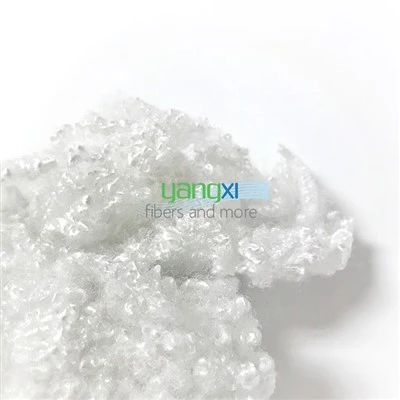
- Circular Synthetic Fiber Integration: Transitioning from virgin petroleum-derived polyester to GRS-certified Recycled Polyester Staple Fiber reduces direct exposure to volatile crude oil refining chains. Extruded from post-consumer PET bottle flakes, recycled polyester staple fiber delivers consistent linear density, high tensile strength, and reliable spinnability while lowering product carbon footprints.
- Elevating Unit Fabric Value: Incorporating specialized technical inputs-such as inherent Flame Retardant synthetic fibers for industrial protective outerwear-increases overall garment unit value density. Higher unit product margins allow garment manufacturers to absorb upstream energy freight surcharges, enhance Material Performance, build Supply Chain Resilience, and execute adaptable Global Sourcing Strategies.
Industry Outlook and Trade Summary
Elevated crude oil and refined product tanker costs continue to exert upward cost pressure across the global textile manufacturing sector. Outdoor apparel brands must navigate this petroleum cost transmission by dynamic supply chain management, material diversification, and incorporating certified synthetic inputs to maintain long-term product profitability.
Leveraging our integrated cross-border supply chain network across China and Vietnam, we support global trade partners in securing certified synthetic fiber inputs, optimizing fabric cost structures, and executing effective Global Sourcing Strategies.