
Chemical Properties, Dyeing Dynamics, and Applications of Cationic Fabrics
Aug 21, 2026
Cationic fabrics are widely specified across sportswear, activewear, home textiles, and sun-protective apparel. While the term sounds highly technical to consumers, cationic fabric represents a modified synthetic textile engineered from Cationic Dyeable Polyester (CDP).
By introducing chemical modifications into standard polyethylene terephthalate (PET) polymer chains, textile manufacturers produce a versatile, high-aesthetic fabric that bridges the gap between synthetic durability and natural visual depth.
1. Polymer Chemistry: How Cationic Modification Works
The fundamental difference between standard commodity polyester and cationic fabric lies in ionic polymer engineering and dye-uptake mechanics:
- Sulfonate Group Modification: During polymerization, anionic sulfonate chemical groups are incorporated into the polyester molecular backbone. This creates localized negative charges within the fiber matrix.
- Ionic Dye Attraction: During the dyeing process, positively charged cationic dyes form strong ionic bonds with these internal sulfonate groups. This ionic attraction dramatically increases dye affinity and color saturation compared to standard disperse-dyed PET.
- Single-Bath Cross-Dyeing (Dual-Color Effect): When CDP fibers are co-woven with standard polyester, nylon, or elastane (spandex), the two fiber types absorb dyes at different rates within a single dye bath. This produces a natural heathered, two-tone cross-dyed visual effect without requiring complex printing processes.
2. Mechanical Performance Parameter Comparison
In addition to its signature two-tone visual depth and matte finish, CDP-modified fabrics offer significant structural upgrades over standard synthetic textiles:
Performance Matrix: Standard Polyester vs. Cationic Modified Fabric
| Material Performance Parameter | Commodity Polyester (PET) Fabric | Cationic Dyeable Polyester (CDP) Blend |
| Dye Affinity & Color Depth | Standard disperse dyeing; uniform flat color. | High ionic dye absorption; vibrant heathered contrast. |
| Surface Aesthetics | Shiny or stiff plastic-like appearance. | Premium matte texture with multi-dimensional depth. |
| Tactile Softness & Drape | Stiff and rigid hand-feel against skin. | Lightweight, supple, smooth, and gentle on skin. |
| Moisture Management | Poor vapor permeability; prone to sweat cling. | Improved moisture wicking and rapid evaporation. |
| Durability & Elastomeric Recovery | Durable; low elasticity unless blended. | Excellent abrasion resistance, wrinkle recovery, and stretch. |
| Colorfastness Limitations | High wash/light fastness. | Slightly lower wash/light fastness than cotton under heavy sun. |
3. Garment Applications and Sourcing Considerations
Thanks to its combination of visual refinement, skin comfort, and mechanical resilience, cationic fabric serves a broad spectrum of commercial apparel and home textile sectors:
- Athletic & Performance Apparel: Cationic-spandex blends are extensively used in yoga wear, running sets, and training hoodies. The fabric provides multidirectional stretch, quick-drying performance, and an elevated heathered aesthetic.
- Sun Protection & Daily Casuals: Light weight, high opacity, and smooth skin contact make cationic knits ideal for summer sun-protective jackets, casual sweatshirts, and loungewear.
- Bedding & Home Textiles: The soft hand-feel and pill-resistant durability render cationic fabrics popular for four-piece bedding sets and home furnishings that require frequent laundering without loss of shape.
4. Elevating Cationic Textiles with Sustainable Synthetic Feedstocks
To satisfy global brand requirements for circularity and environmental compliance, fabric mills are combining CDP modification with advanced eco-conscious synthetic fibers:
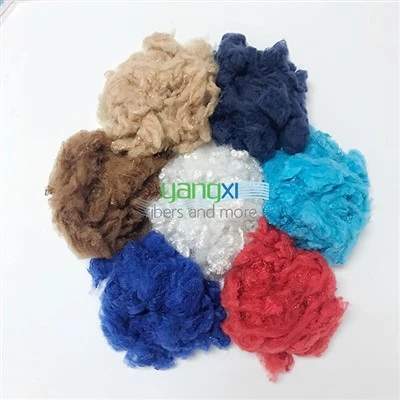
- Sustainable Structural Base: To reduce reliance on virgin petrochemicals while maintaining vibrant cross-dyeing capabilities, mills blend CDP fibers with GRS-certified Recycled Polyester Staple Fiber. Incorporating traceable recycled bottle flakes ensures strong yarn tenacity, stabilizes raw material costs, and supports sustainable textile production.
- Functional Structural Enhancements: Integrating specialized Special Environmental Fibers-such as low-temperature thermal bonding Low Melt fibers for seamless edge bonding-enables manufacturers to build lightweight, chafe-free cationic activewear. Deploying these functional material inputs optimizes overall Material Performance, enhances Supply Chain Resilience, and reinforces Global Sourcing Strategies.
Technical Summary for Apparel Sourcing Directors
Cationic fabrics deliver an ideal combination of heathered two-tone aesthetics, soft tactile comfort, and quick-drying durability through CDP chemical modification. By balancing ionic dye uptake with sustainable synthetic blends, apparel brands achieve high-value, low-maintenance garment lines across activewear and casual markets.
Leveraging our integrated cross-border supply chain network across China, Thailand, and Vietnam, we support global trade partners in sourcing certified synthetic fiber inputs, optimizing cationic fabric blends, and executing resilient Global Sourcing Strategies.