
The Physics of Static Electricity Generation in Polar Fleece and Mitigation Mechanisms
Aug 07, 2026
Polar fleece is widely recognized across the global apparel industry for its lightweight construction, high thermal insulation, and soft hand-feel. However, severe static electricity accumulation during winter wear remains a primary performance complaint among consumers.
Understanding the molecular polymer structure of polyester, triboelectric charging mechanisms, and chemical anti-static finishing techniques allows textile engineers and brand managers to optimize fleece fabric designs and maintenance protocols.
1. Polymer Physics: Why Does Polyester Polar Fleece Accumulate Static Charge?
Polar fleece is primarily manufactured from 100% polyester (polyethylene terephthalate) fibers. The tendency of polar fleece to generate electrostatic sparks stems directly from its chemical hydrophobic properties and environmental atmospheric conditions:
- Hydrophobic Fiber Matrix: Polyester fibers exhibit extremely low moisture regain (typically under 0.4%). Unlike natural cellulosic or protein fibers, polyester lacks hydrophilic functional groups to retain surface moisture.
- Absence of Conductive Moisture Film: In low-humidity autumn and winter environments, polyester fibers cannot form a microscopic surface water film. Without this conductive layer, static charges generated by movement cannot dissipate naturally into the surrounding air.
- Triboelectric Charging Mechanism: Physical friction between the fleece garment and inner clothing layers causes electron transfer. Positive and negative static charges accumulate continuously across the non-conductive polyester fiber surface.
- Instantaneous Electrostatic Discharge (ESD): When a wearer touches a grounded metallic conductor (such as a door handle or water faucet), the accumulated electrostatic potential discharges instantaneously, causing electric shocks and severe hair flyaway.
2. Electrostatic Mitigation Strategies for Consumers and Manufacturers
Because the underlying molecular structure of polyester favors charge accumulation, mitigating static electricity requires controlling environmental humidity, layering dynamics, and surface chemical treatments:
Comparison of Antistatic Mitigation Methods for Polar Fleece
| Mitigation Protocol | Underlying Physical / Chemical Mechanism | Performance Durability & Usage Notes |
| Environmental Humidification | Elevating room humidity above 50% creates a conductive surface water film. | Highly effective indoors; dissipates static charges continuously. |
| Base Layer Selection | Layering with cotton or modal base layers absorbs localized electrostatic charge. | Avoid synthetic-on-synthetic layering (e.g., polyester thermal underwear). |
| Cationic Fabric Softeners | Deposits a lubricating surfactant film that lowers friction coefficients. | Lasts 2 to 3 wash cycles; excessive application reduces fabric breathability. |
| Topical Antistatic Sprays | Applies a temporary conductive surfactant layer onto the outer fiber face. | Immediate effect; provides several hours of protection per application. |
| Natural Fiber Blending | Substituting or blending with high-content wool fleece raises moisture regain. | Inherent antistatic protection; increases overall garment material costs. |
3. Practical Care and Layering Guidelines
To minimize static generation without compromising polar fleece warmth and breathability, consumers and garment manufacturers should follow structured maintenance guidelines:
- Strategic Fiber Pairing: Wearing hydrophilic base layers made from natural cotton or regenerated cellulose (modal) under polar fleece garments minimizes charge build-up. In contrast, layering polyester fleece directly over polyester or nylon thermal underwear amplifies triboelectric friction and exacerbates electrostatic shocks.
- Detergent and Rinse Cycle Management: Incorporating controlled amounts of cationic fabric softeners during laundering leaves a thin lubricating layer over individual polyester filaments, reducing friction and charge accumulation. For quick adjustments, applying a fine water mist or specialized anti-static aerosol before wearing temporarily restores conductive surface moisture.
4. Engineering Low-Static Fleece Fabrics with Advanced Synthetic Fibers
To solve static accumulation and surface pilling at the yarn manufacturing stage, textile mills are adopting modified synthetic fiber blends that enhance fabric performance:
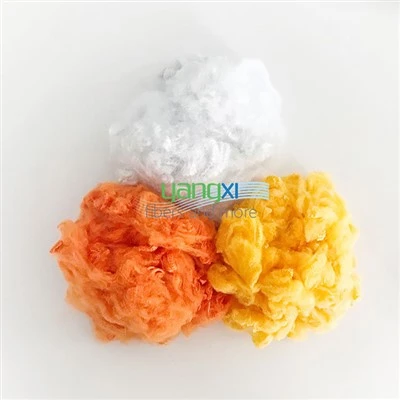
- Eco-Certified Synthetic Foundations: To meet international brand sustainability standards while maintaining durable fleece structures, spinners utilize GRS-certified Recycled Polyester Staple Fiber. Incorporating traceable recycled PET bottle flakes ensures high tensile strength, dimensional stability, and reliable performance across fleece brushing and anti-pilling finishing lines.
- Soft, Low-Static Synthetic Blends: Integrating advanced modified synthetic options like Bosilun into fleece yarn spins provides an extraordinarily soft, wool-like hand-feel with superior anti-pilling properties. Bosilun fibers feature higher moisture management capacity and excellent dye affinity at lower processing temperatures, offering an effective alternative to traditional polyester that elevates Material Performance and supports Supply Chain Resilience.
Technical Summary for Apparel Material Developers
Static electricity in polar fleece is a predictable physical outcome of polyester's hydrophobic nature and low ambient humidity rather than a product defect. By applying anti-static topical treatments during finishing, pairing fleece with natural base layers, or incorporating modified synthetic fiber blends like Bosilun, apparel brands can deliver lightweight, high-thermal fleece garments with minimal electrostatic disruption.
Leveraging our established international supply chain network across China, Thailand, and Vietnam, we support global manufacturing partners in sourcing certified synthetic fiber inputs, optimizing yarn formulations, and executing resilient Global Sourcing Strategies.