
Brent Crude Rebounds Past $101/bbl As Geopolitical Risks And Low Port Inventories Drive Monoethylene Glycol Market Volatility
Oct 08, 2026
International crude oil benchmark prices surged past major thresholds this week, with Brent crude futures touching 101.25 USD/barrel and West Texas Intermediate (WTI) trading at 89.16 USD/barrel. The sharp upward movement in benchmark energy pricing has immediately reverberated across the petrochemical sector, putting Monoethylene Glycol (MEG)-a critical chemical intermediate for polyester manufacturing-under intense market scrutiny.
Industry data confirms that while Middle Eastern shipping risks and record-low port inventories provide strong near-term cost support, expanding domestic production and cautious downstream textile consumption are capping prolonged upward momentum across the Global Textile Supply Chain.
1. Upstream Energy Shocks and Import Supply Bottlenecks
The supply foundation for Asian MEG markets is currently experiencing structural contraction driven by geopolitical shipping friction and depleted port arrivals:
- Geopolitical Maritime Risks: As the primary global production corridor for MEG, the Middle East relies heavily on shipping passages through the Strait of Hormuz. Escalating regional geopolitical tensions have raised widespread concerns over vessel delays, extended transit schedules, and export disruptions.
- Historic Drawdown in Port Stockpiles: Impacted by lower import arrivals, domestic port inventories in China have drawn down sharply from a first-half high of 975,000 tons to 86,000 tons-a historic low. Market analysts anticipate import volumes will remain constrained through the fourth quarter, maintaining a firm floor under spot intermediate prices.
2. Domestic Production Capacity and Downstream Demand Resistance
While Middle Eastern import arrivals remain restricted, domestic manufacturing additions and downstream resistance are actively reshaping market fundamentals:
Petrochemical Market & Derivative Supply Indicators
| Market Parameter | Current Industry Benchmark | Downstream Supply Chain Impact |
| Crude Oil Benchmarks | Brent at $101.25/bbl; WTI at $89.16/bbl. | Direct cost-push pressure on naphtha and chemical cracking units. |
| Port MEG Inventory | 86,000 tons (Down from 975,000 tons). | Tight spot availability supporting short-term raw material quotes. |
| Domestic MEG Run-Rates | Overall capacity at 65.92%; Coal-based at ~71%. | Favorable coal-to-chemical margins sustain domestic spot output. |
| Q4 Capacity Expansion | Sinopec-SABIC Gulei & Huajin Aramco startups planned. | Emerging domestic capacity offsets Middle Eastern import shortfalls. |
| Upstream PX Availability | Q4 Paraxylene tightness forcing plant curtailments. | Squeezes polyester plant margins, forcing reduced factory operating rates. |
While profitable coal-to-MEG processing margins have pushed coal-based plant operating rates to 71%, the scheduled fourth-quarter commissioning of mega-units-including Sinopec-SABIC Gulei and Huajin Aramco-will add significant domestic spot supply, mitigating import deficits.
Concurrently, downstream demand in the polyester sector remains the primary constraint against sustained price rallies. As the traditional peak consumption season draws to a close, fabric weavers and spinning mills are displaying strong resistance toward elevated feedstock costs, restricting raw material purchases to strict hand-to-mouth restocking. Furthermore, tight fourth-quarter Paraxylene (PX) supplies are forcing select polyester producers to reduce operating rates, directly decreasing raw MEG consumption.
3. Supply Chain Adaptation and Alternative Fiber Sourcing
To protect spinning and weaving margins from volatile energy markets and petrochemical price swings, global procurement directors are re-aligning their raw material strategies:
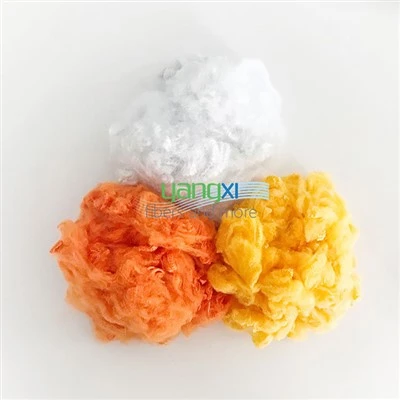
- Hedging Intermediate Volatility with Circular Synthetics: To reduce dependency on virgin PET synthesized from volatile MEG and PTA inputs, textile mills are increasing allocations of GRS-certified Recycled Polyester Staple Fiber. Processed from post-consumer PET bottle flakes, recycled polyester matches virgin fiber in tensile strength, linear density consistency, and spinnability while hedging against crude-driven chemical price spikes.
- Decoupling via Bio-Based Fibers: For fashion brands seeking to eliminate petroleum and chemical intermediate price exposure entirely, specifying PLA (Polylactic Acid) fiber provides a 100% plant-based alternative. Derived from renewable agricultural starches, PLA delivers natural moisture management, low flammability, and circular end-of-life options, helping textile manufacturers enhance Material Performance, build Supply Chain Resilience, and execute adaptable Global Sourcing Strategies.
Industry Outlook and Trade Summary
While elevated crude oil prices and low port inventories of 86,000 tons offer near-term cost support for Monoethylene Glycol, fourth-quarter domestic capacity expansions and cautious downstream textile orders will likely prevent a single-sided market breakout. Industry participants should monitor Middle Eastern maritime shipping flows, domestic unit startup schedules, and downstream factory operating rates to navigate ongoing raw material market volatility.
Leveraging our integrated cross-border supply chain network across China and Vietnam, we support global trade partners in securing certified synthetic fiber inputs, mitigating commodity market volatility, and executing effective Global Sourcing Strategies.